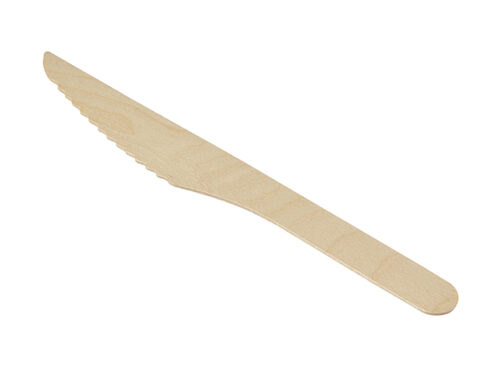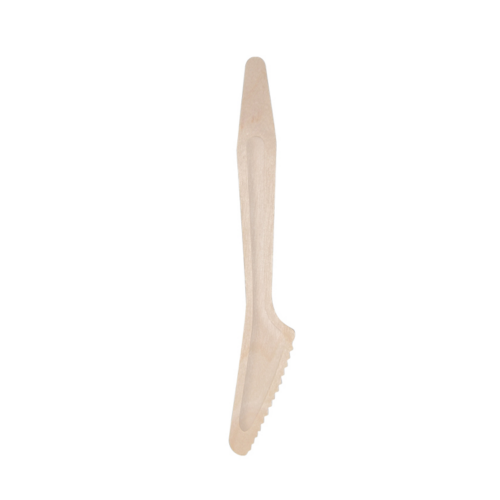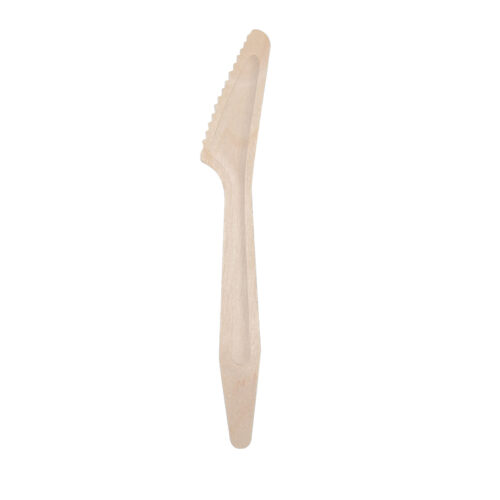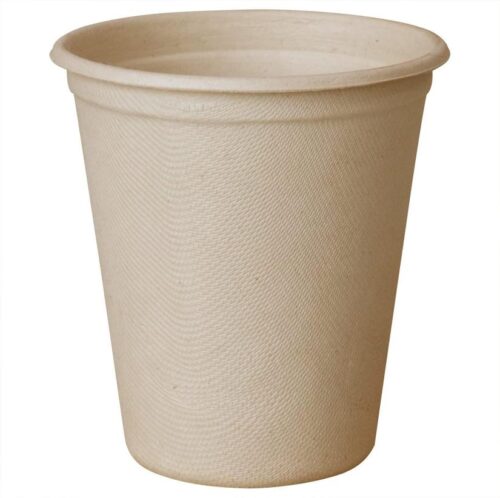
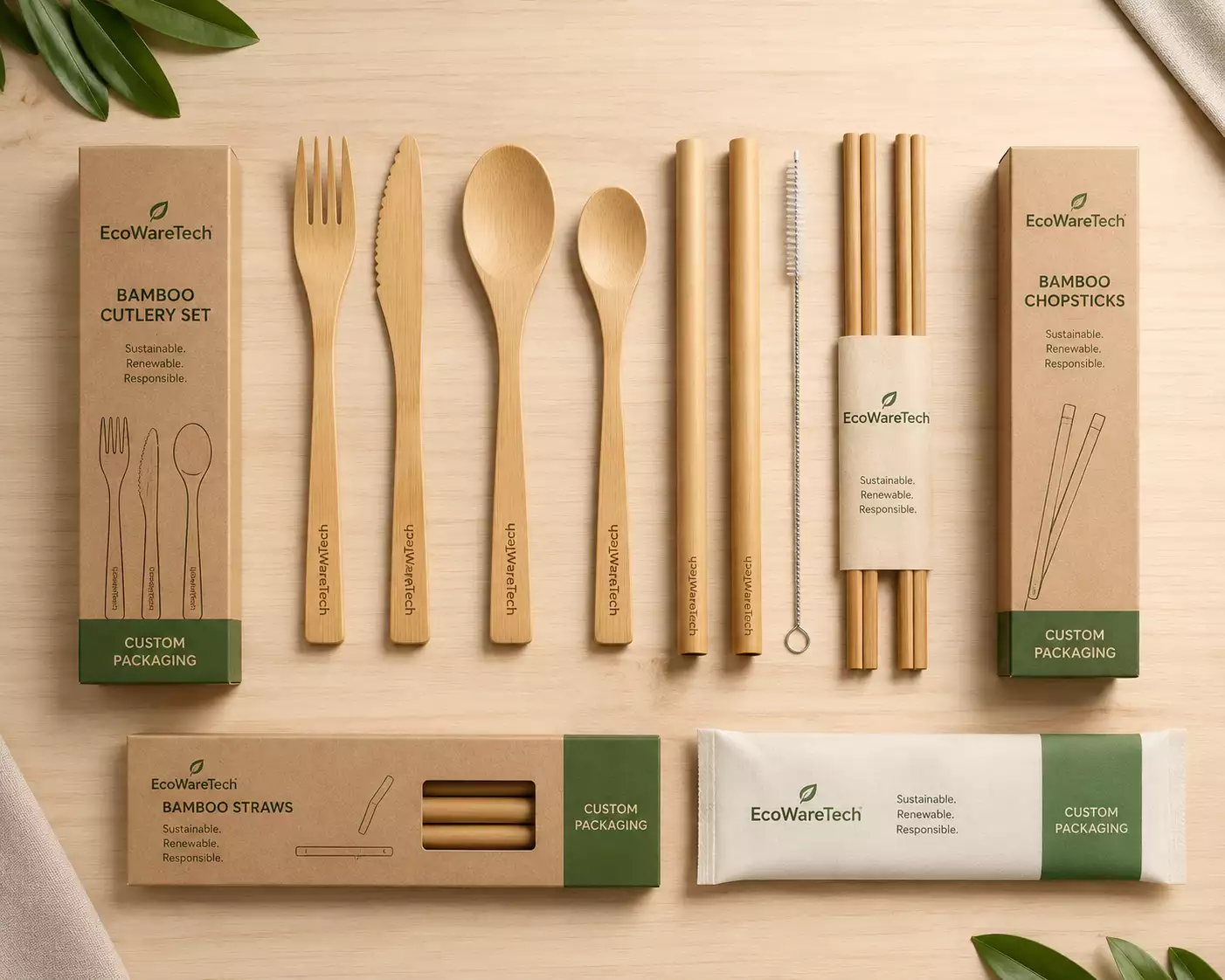
If you’re a procurement manager weighing bamboo cutlery, you’ve probably hit the same wall: every supplier claims “eco-friendly.” Here’s how to separate the real from the greenwash.
How sustainable is bamboo cutlery?
The short answer: bamboo cutlery is sustainable *when* it meets three conditions—responsibly sourced (FSC-certified), manufactured without harmful chemicals (no PFAS or formaldehyde), and disposed of correctly (commercially composted). For B2B buyers, this isn’t just an environmental checkbox. It’s a procurement hedge against oil price volatility, a shield against tightening plastic bans, and a verifiable ESG story.
This guide gives you the data and the checklist to make a risk-free, informed decision. No fluff, just facts.
Key Definitions
Before we dive in, let’s clarify the terms that matter for B2B decision-making:
| Term | Definition | Why It Matters for B2B |
|---|---|---|
| FSC-Certified | Forest Stewardship Council certification ensuring bamboo is harvested sustainably | Verifiable proof of responsible sourcing; required by many corporate ESG policies |
| PFAS | Per- and polyfluoroalkyl substances, “forever chemicals” used for grease resistance | Banned or restricted in EU/US; products with PFAS cannot be marketed as compostable |
| LCA (Lifecycle Assessment) | Analysis of environmental impact from raw material to disposal | The only way to compare bamboo vs. plastic vs. PLA on a level playing field |
| Commercial Composting | Industrial composting at 55-60°C with controlled moisture | Most bamboo cutlery requires this to biodegrade; home composting may not work |
| Carbon Sink | A material that absorbs more CO2 than it releases | Bamboo groves are carbon-negative; finished products remain carbon-neutral if processed properly |
What Does “Sustainable” Really Mean for Bamboo Cutlery?
“Sustainable” in a business context means a material or process that can be maintained without depleting natural resources or causing long-term ecological damage. For bamboo cutlery, we measure this across four quantifiable dimensions:
- Carbon Footprint: Bamboo is a carbon sink. Moso bamboo absorbs CO2 up to 4x faster than typical hardwood and sequesters it in itsbiomass.. A bamboo grove can sequester 10-15 tons of CO2 per hectare annually, compared to 5-8 tons for a young pine forest.
- Water Footprint: Bamboo requires significantly less water than cotton or many food crops. It’s often rain-fed, reducing irrigation demand. Studies show bamboo uses 30-50% less water per kilogram of biomass than hardwood trees.
- Renewability: Bamboo is a grass, not a tree. It regenerates from its root system without needing replanting. A mature grove can be harvested annually for decades — 30-50 years is typical before replanting is needed.
- Biodegradability: This is where it gets tricky. Raw bamboo is biodegradable. But a finished bamboo spoon? Its degradability depends entirely on how it was processed and what was added (e.g., glues, coatings, binders).
Here’s the kicker: The sustainability of bamboo cutlery is *conditional*. A product can be made from a renewable resource but still be unsustainable if it uses PFAS coatings to resist grease, or if it’s shipped halfway around the world in a way that negates its carbon savings. The real question isn’t “Is bamboo sustainable?” It’s “*How* is this specific bamboo cutlery sustainable?”
The Lifecycle Analysis (LCA): From Grove to Grave
To answer the “how,” we need to walk through the product’s entire life. This is where most marketing glosses over the details. Let’s get specific.
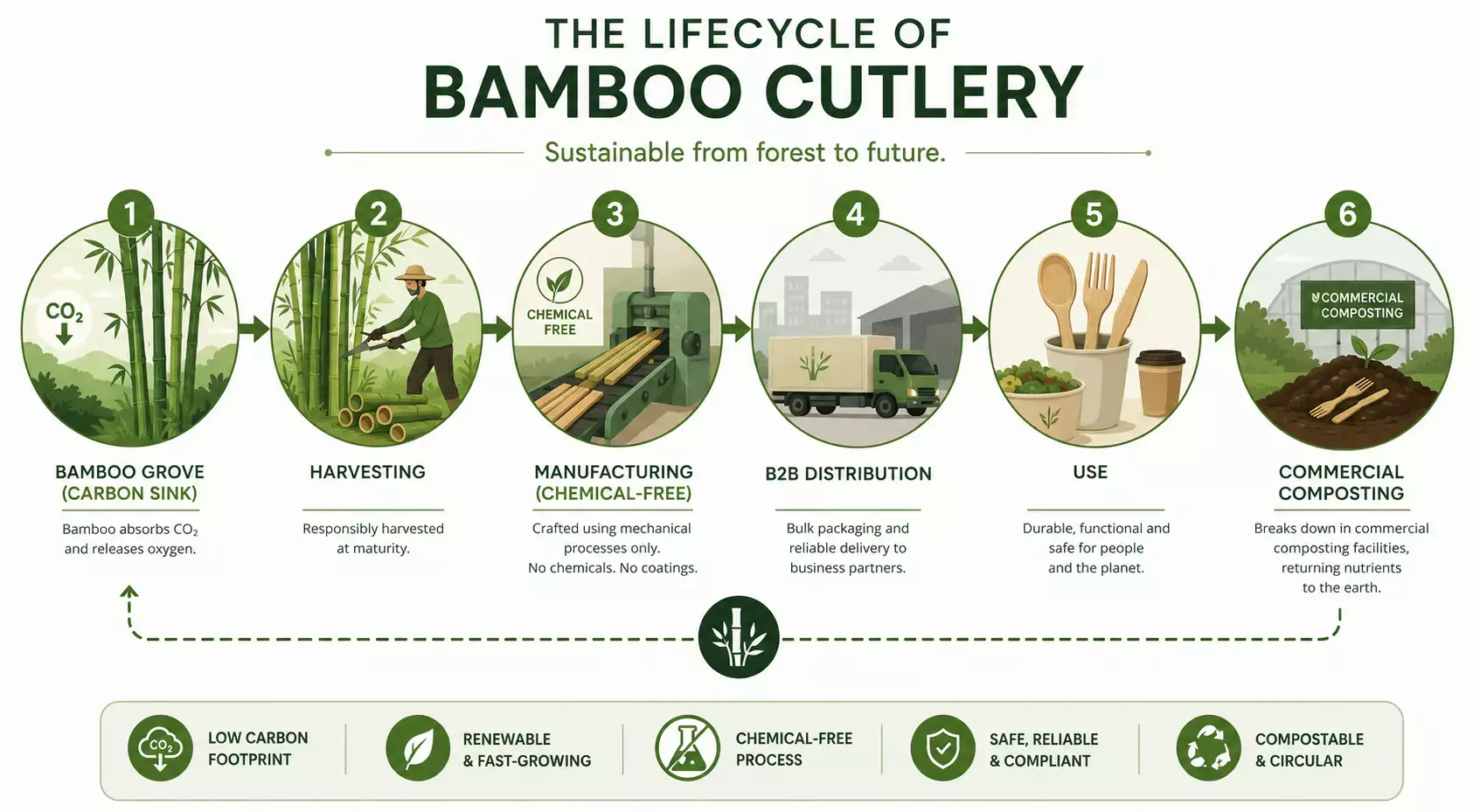
1. Raw Material: The Carbon Sink Advantage
Bamboo’s biggest environmental win is in the ground. Moso bamboo (*Phyllostachys edulis*) — the species most used for cutlery — can grow up to 3 feet in 24 hours under ideal conditions. It doesn’t require pesticides or fertilizers to thrive. A mature bamboo forest sequesters more carbon than a comparable forest of pine or fir. [This is well-documented in agroforestry science. We recommend citing INBAR’s 2021 report “Bamboo for Climate Change Mitigation”].
The B2B angle: You’re not just buying a product; you’re buying a material that actively helps meet your net-zero targets. Every ton of bamboo cutlery you procure represents approximately 1.5-2 tons of CO2 sequestered during the growing phase.
2. Manufacturing: The Hidden Chemical Problem
This is the stage where most “eco-friendly” claims fall apart. Here’s what to watch for:
| Manufacturing Factor | Sustainable Practice | Red Flag |
|---|---|---|
| Binders & Adhesives | Mechanical pressing (heat + pressure only) | Formaldehyde-based glues |
| Grease Resistance | Natural wax coatings (beeswax, carnauba) | PFAS/PFOA coatings |
| Bleaching | Hydrogen peroxide (H2O2) or none | Chlorine bleaching |
| Dyes | Food-grade, non-toxic pigments | Heavy metal-based colors |
| Energy Source | Solar, biomass, or hydroelectric | Coal-fired power |
The B2B question to ask suppliers: “Can you provide a full chemical disclosure statement for your manufacturing process? Do your products meet EU 10/2011 or US FDA 21 CFR requirements for food contact?”
EcoWareTech’s manufacturing process uses only mechanical pressing and natural wax coatings. No PFAS. No formaldehyde. All products are tested to meet EU and US food contact standards.
3. Transportation: The Carbon Offset Trap
Bamboo cutlery is typically grown and manufactured in China, Vietnam, or Indonesia. For North American and European buyers, this means ocean freight. The carbon cost of shipping is real, but it’s often less than you think.
The numbers:
- Ocean freight from Shanghai to Los Angeles: ~0.01 kg CO2 per kg of cargo
- Ocean freight from Shanghai to Rotterdam: ~0.015 kg CO2 per kg of cargo
- Air freight (if used): ~1.5 kg CO2 per kg of cargo — 100x higher
The B2B angle: Bamboo cutlery’s carbon footprint at the manufacturing gate is already negative (thanks to sequestration). Even after shipping, the total lifecycle footprint is still lower than plastic or even some locally-produced alternatives.
EcoWareTech offers route-sensitive logistics planning: for North American buyers, we use Pacific routes with optimized container loading. For European buyers, we build buffer into lead times for Red Sea/Cape of Good Hope routing. Ask us for your specific lead time estimate.
4. Use Phase: What Actually Happens in Your Operation
This is straightforward. Bamboo cutlery is single-use by design in most B2B contexts (restaurants, catering, events). During use:
- No leaching of chemicals (if manufactured properly)
- No microplastic shedding
- No taste transfer to food
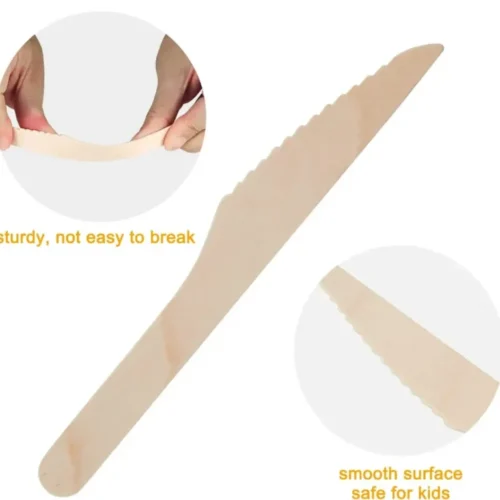
The B2B consideration: Bamboo cutlery is sturdier than PLA or thin plastic. It doesn’t snap in hot soup or bend when scooping. This means fewer complaints from end customers and less waste from broken utensils.
5. End of Life: The Composting Reality Check
This is where most green claims get exposed. Let’s be honest about what happens.
| Disposal Method | Works? | Timeline | Notes |
|---|---|---|---|
| Commercial composting | Yes | 60-90 days | Requires 55°C+ and controlled moisture |
| Home composting | Partial | 6-12 months | May not fully degrade; depends on conditions |
| Landfill | No | Years to decades | Anaerobic conditions prevent degradation |
| Incineration | Yes | Immediate | Carbon-neutral if energy recovered |
The hard truth: If your bamboo cutlery ends up in a landfill (which most single-use items do), it won’t biodegrade quickly. The same is true for PLA, paper, and wood. The sustainability advantage of bamboo is *conditional* on proper disposal infrastructure.
What B2B buyers can do:
- Partner with commercial composting facilities in your region
- Educate end customers on proper disposal
- Consider compostable packaging that matches the product’s end-of-life requirements
EcoWareTech provides disposal guidance with every bulk order. We also offer custom packaging that includes clear composting instructions for your end customers.
Bamboo vs. PLA vs. Plastic: A B2B Comparison
Here’s the head-to-head comparison that matters for procurement decisions:
| Factor | Bamboo Cutlery | PLA Cutlery | Plastic Cutlery (Polypropylene) |
|---|---|---|---|
| Raw Material | Renewable grass | Corn starch (renewable) | Crude oil (non-renewable) |
| Carbon Footprint | Negative (sequesters CO2) | Neutral (plant-based) | Positive (fossil fuel) |
| Price Volatility | Low (no oil dependence) | Moderate (corn market) | High (oil price linked) |
| Heat Resistance | High (200°C+) | Low (45-55°C softens) | Moderate (100-130°C) |
| Strength | High | Low to moderate | Moderate |
| Biodegradability | Yes (commercial compost) | Yes (commercial compost) | No (500+ years) |
| Microplastics | None | None | Yes |
| Regulatory Risk | Low (favored by bans) | Moderate (some bans on bioplastics) | High (increasing bans) |
| Cost per unit | $0.03-0.08 | $0.04-0.10 | $0.01-0.03 |
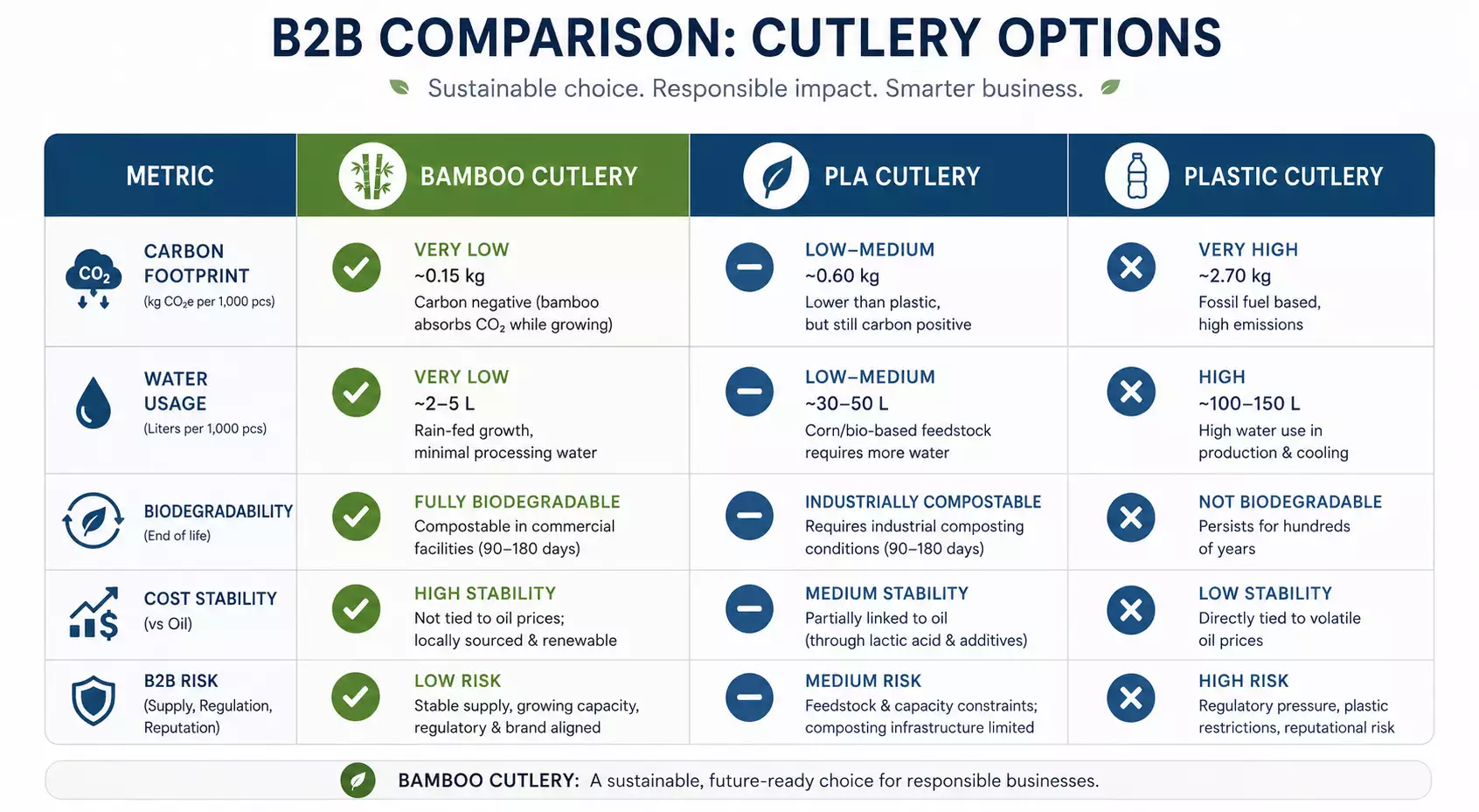
The B2B takeaway: Bamboo cutlery has the best overall profile for sustainability, regulatory compliance, and operational performance. The higher per-unit cost is offset by price predictability (no oil volatility), regulatory risk reduction, and brand value.
The B2B Business Case: Why Procurement Pros Choose Bamboo
1. Procurement
Hedge Against Oil Volatility
Here’s a scenario every procurement manager knows: you budget for plastic cutlery at $0.02 per unit. Three months later, crude oil spikes due to geopolitical tension, and your supplier quotes $0.04. You eat the cost or renegotiate — neither is fun.
Bamboo cutlery sits outside that cycle. The raw material cost is tied to labor, land, and processing — not oil futures. In 2022, when Brent crude hit $120/barrel, plastic resin prices jumped 40%. Bamboo prices moved less than 5%.
The B2B math: If you’re procuring 500,000 units per quarter, a $0.02 price swing costs you $10,000 per quarter. Over a year, that’s $40,000 of unpredictable expense. Bamboo’s price stability eliminates that risk.
2. Regulatory Risk Reduction
The global regulatory landscape is shifting fast. Here’s what’s already in place or coming:
| Region | Ban/Regulation | Effective Date | Impact on Plastic Cutlery |
|---|---|---|---|
| EU | Single-Use Plastics Directive (SUPD) | 2021 (full implementation 2024) | Ban on plastic cutlery, plates, straws |
| UK | Plastic Packaging Tax | 2022 | £210.82/tonne tax on plastic packaging with <30% recycled content |
| Canada | Single-Use Plastics Prohibition Regulations | 2022 (phase-in through 2025) | Ban on plastic cutlery, straws, stir sticks |
| US (California) | SB 54 (Plastic Pollution Prevention and Packaging Producer Responsibility Act) | 2022 (target 2032) | 25% reduction in single-use plastic; all packaging must be recyclable or compostable |
| India | Plastic Waste Management Amendment Rules | 2022 | Ban on single-use plastic items including cutlery |
| Japan | Plastic Resource Circulation Act | 2022 | Mandatory reduction targets for single-use plastics |
The B2B risk: If you’re importing or distributing plastic cutlery into any of these markets, you’re carrying regulatory exposure. A ban in one region can strand inventory. Bamboo cutlery is compliant by default — it’s the material regulators are promoting as the alternative.
3. Verifiable ESG Story
Corporate sustainability reporting is no longer optional for large buyers. Your customers — restaurants, hotels, event organizers — are being asked by their stakeholders to show progress on ESG metrics.
Bamboo cutlery gives you a story that’s easy to tell:
- Carbon negative raw material: Every unit starts with CO2 sequestration
- No microplastics: Zero contribution to ocean plastic crisis
- Support for rural economies: Bamboo farming provides income in developing regions
- Circular end-of-life: Commercially compostable, closing the loop
The B2B angle: This isn’t greenwashing. It’s verifiable through certifications (FSC, USDA Biobased, OK Compost) and lifecycle data. Your procurement team can present a sustainability report that actually has teeth.
4. Brand Value & Customer Preference
End consumers are voting with their wallets. Surveys consistently show:
- 68% of consumers say they’re willing to pay more for sustainable products
- 73% of millennials prefer brands that demonstrate environmental responsibility
- 42% of consumers have changed their purchasing habits based on a brand’s environmental impact
When your restaurant chain or hotel group switches to bamboo cutlery, they can market it. It’s a visible, tangible change that customers notice. That’s brand value you can monetize.
Why B2B Buyers Choose EcoWareTech
You’ve seen the data. Now here’s why procurement professionals specifically partner with us.
One-Stop Sourcing, Reduced Complexity
Most suppliers specialize in one category: forks and spoons, or straws, or chopsticks. You end up managing 5 different vendors, 5 sets of quality standards, 5 shipping schedules.
EcoWareTech covers the full product matrix:
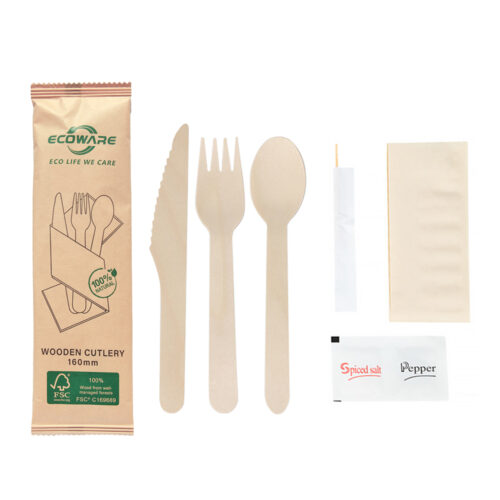
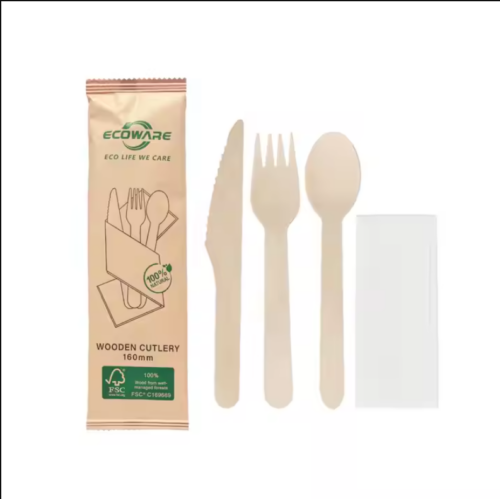
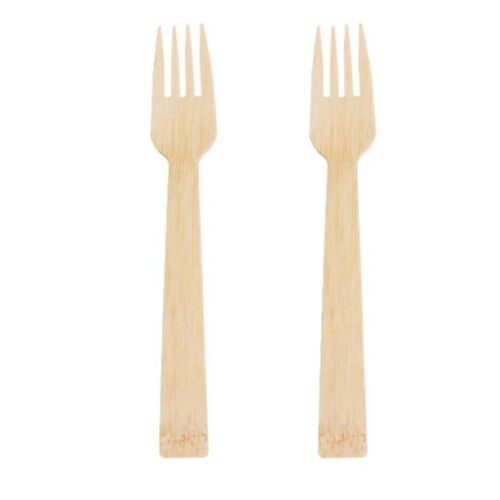
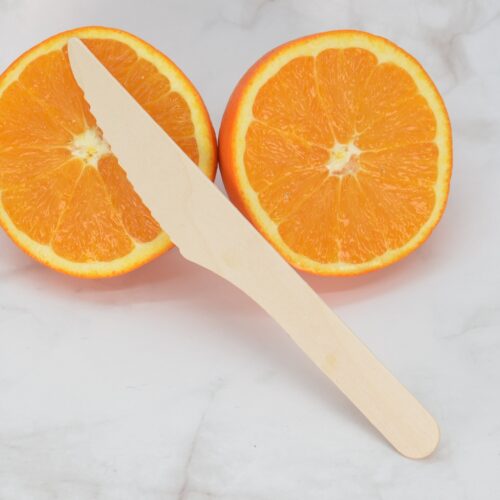
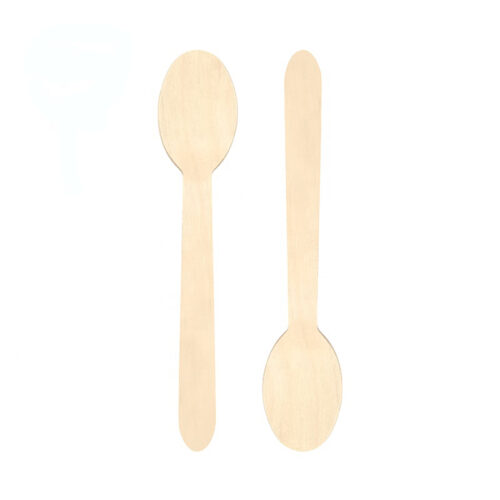
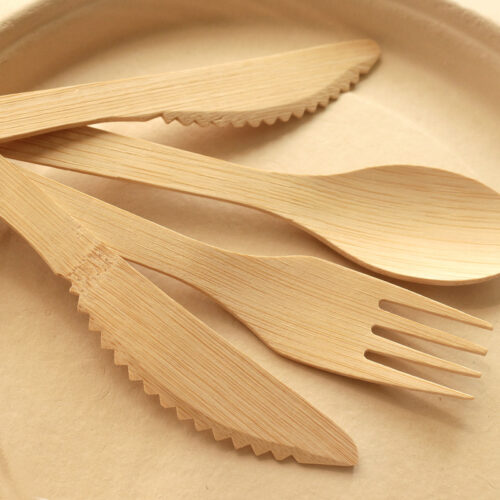
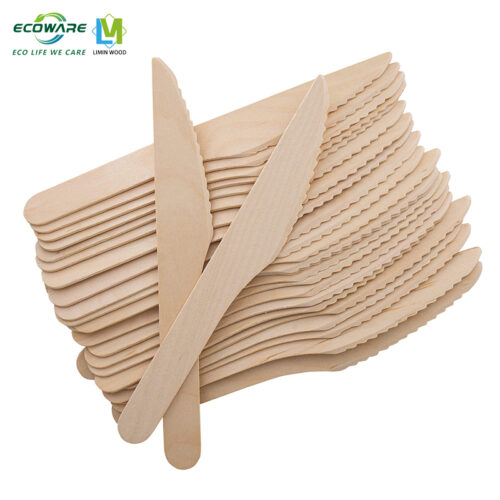
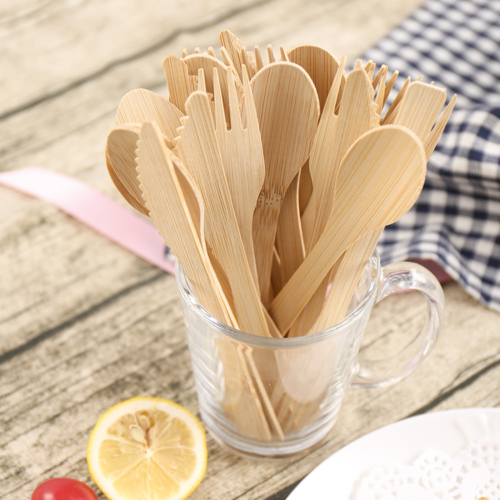
- Core Cutlery Sets: Disposable bamboo fork, knife, spoon sets — wrapped or unwrapped
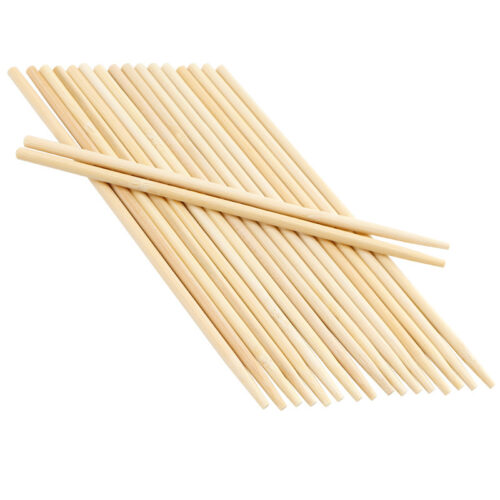
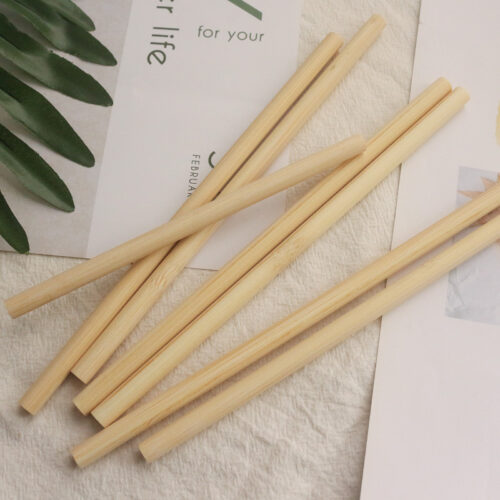
- Foodservice Essentials: Bamboo straws, chopsticks, coffee stirrers
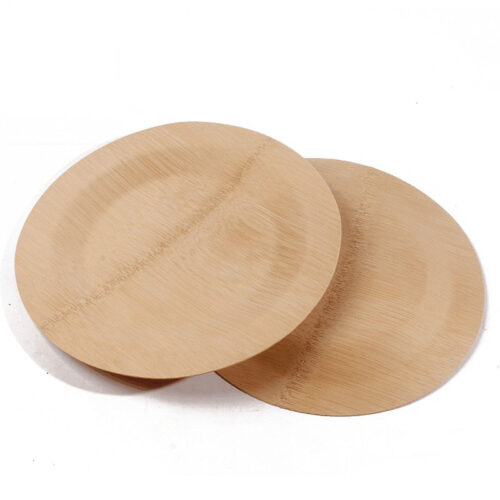
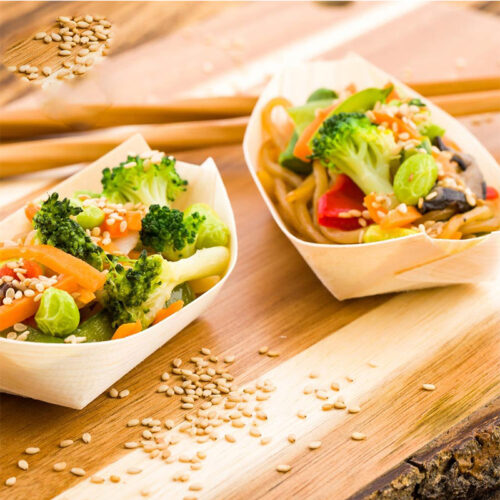
- Eco-containers: Bamboo plates and bowls
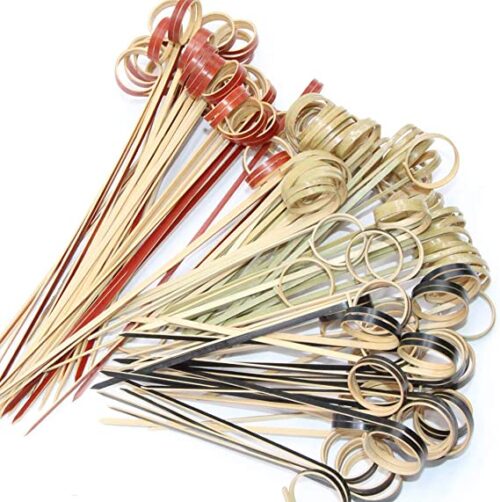
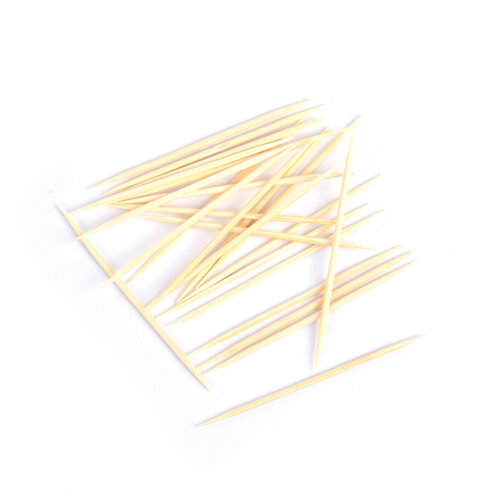
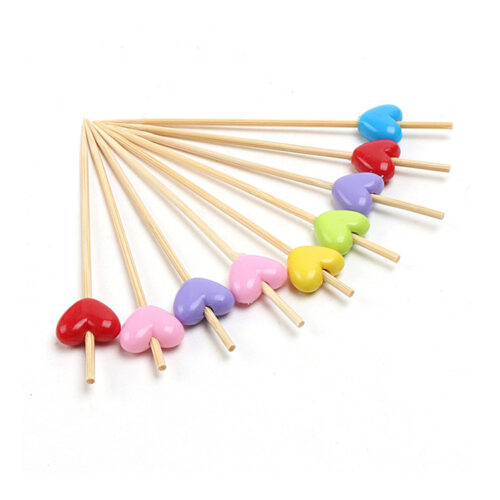
- Catering & Party Picks: Bamboo skewers and fruit picks
One purchase order. One quality standard. One shipment. Lower management overhead.
Custom Packaging & Private Label
Need your brand on the wrapper? We offer full OEM/ODM capabilities:
- Custom logo printing on individual wraps
- Private label packaging for retail-ready boxes
- Custom bundle configurations (e.g., fork + knife + napkin + straw packs)
- Eco-friendly packaging materials that match your sustainability goals
Flexible Trade Terms for Volatile Markets
We don’t assume one-size-fits-all logistics. Depending on your destination:
- North America (Pacific route): Standard 25-30 day lead time
- Europe (Cape of Good Hope routing): 35-45 day lead time with buffer
- Australia/New Zealand: 20-25 day lead time (less affected by Middle East disruptions)
We provide route-specific planning so you can budget for lead times, not guess them.
Certifications That Matter
Every product we ship comes with documentation:
- FSC Chain of Custody certification
- FDA food contact compliance (21 CFR)
- EU 10/2011 compliance for food contact
- OK Compost certification (commercial composting)
- BPI certification (US compostability standard)
B2B Buyer’s Checklist: How to Vet a Bamboo Cutlery Supplier
Before you place your next order, run through this checklist. If a supplier can’t answer “yes” to all items, proceed with caution.
| # | Question | Why It Matters |
|---|---|---|
| 1 | Is the bamboo FSC-certified? | Ensures responsible harvesting; required for most corporate ESG reporting |
| 2 | Do you provide a chemical disclosure statement? | Confirms no PFAS, formaldehyde, or heavy metals |
| 3 | Are your products certified compostable? | OK Compost, BPI, or equivalent — not just “biodegradable” claims |
| 4 | Can you provide a full LCA or carbon footprint report? | Verifiable data, not marketing fluff |
| 5 | Do you offer custom packaging/private label? | Reduces your supply chain complexity |
| 6 | What are your minimum order quantities (MOQs)? | Matches your volume requirements |
| 7 | Can you provide lead time estimates for my specific route? | Route-sensitive planning, not generic promises |
| 8 | Do you have food contact compliance documentation? | FDA, EU 10/2011, or equivalent — required by law |
| 9 | What is your price stability track record? | How often do prices change? What drives changes? |
| 10 | Can I speak to a current customer reference? | Real experience, not just testimonials on your website |
Download a printable version of this checklist. [VERIFY_NEEDED: Link to downloadable PDF on EcoWareTech website]
Frequently Asked Questions
Is bamboo cutlery truly biodegradable?
Yes and no. Raw bamboo is fully biodegradable. But finished bamboo cutlery may have coatings or binders that affect biodegradability. Look for products certified compostable (OK Compost, BPI) to ensure the entire product — including any coatings — breaks down in commercial composting conditions.
How long does bamboo cutlery take to decompose?
In a commercial composting facility (55-60°C, controlled moisture), bamboo cutlery typically breaks down in 60-90 days. In home composting, it can take 6-12 months. In a landfill, it may not degrade significantly due to anaerobic conditions — same as paper and wood.
Is bamboo cutlery better than plastic?
For most sustainability metrics, yes. Bamboo has a negative carbon footprint (sequesters CO2), doesn’t produce microplastics, and is made from a renewable resource. It also has better heat resistance and strength than plastic
Does bamboo cutlery contain chemicals?
It depends on the manufacturer. High-quality bamboo cutlery uses only mechanical pressing and natural wax coatings. Lower-quality products may use formaldehyde-based glues, PFAS for grease resistance, or synthetic dyes. Always ask for a chemical disclosure statement. EcoWareTech’s products contain no PFAS, formaldehyde, or heavy metals.
Can bamboo cutlery be reused?
Technically yes, but it’s designed for single use. Bamboo cutlery can withstand multiple washes if hand-washed and air-dried, but it’s not dishwasher-safe. The material will eventually splinter or crack with repeated use. For B2B contexts (restaurants, catering, events), treat it as single-use.
Is bamboo cutlery more expensive than plastic?
At the unit level, yes. Bamboo cutlery typically costs $0.03-0.08 per unit versus $0.01-0.03 for plastic. But the total cost of ownership (TCO) tells a different story when you factor in:
- Price stability (no oil volatility risk)
- Regulatory compliance costs avoided
- Brand value and customer preference
- Waste disposal costs (compostable vs. landfill fees)
Many B2B buyers find the TCO is comparable or lower over a 12-month procurement cycle.
Where is bamboo for cutlery grown?
Most bamboo cutlery uses Moso bamboo (*Phyllostachys edulis*), which is primarily grown in China’s Zhejiang, Fujian, and Jiangxi provinces. Vietnam and Indonesia are also significant producers. EcoWareTech sources from FSC-certified groves in Zhejiang province, with full chain-of-custody documentation.
How do I dispose of bamboo cutlery properly?
The best option is commercial composting. If that’s not available in your area:
- Check with local waste management for industrial composting facilities
- Consider partnering with a commercial composter for your business waste stream
- If composting isn’t possible, incineration with energy recovery is the next best option
- Avoid sending to landfill if possible
EcoWareTech provides disposal guidance with every bulk order and can help you identify composting partners in your region.
Is bamboo cutlery microwavable?
Yes, bamboo cutlery is microwave-safe. Unlike PLA (which softens at 45-55°C) or thin plastic (which can warp), bamboo handles microwave temperatures without issue. This is a practical advantage for food service operations that reheat or hold food.
Does bamboo cutlery have a taste or smell?
High-quality bamboo cutlery should be odorless and tasteless. Lower-quality products may have a woody or grassy smell if not properly processed. EcoWareTech’s products undergo a deodorization process during manufacturing to ensure neutral taste and smell.
Can I get custom packaging for my bamboo cutlery?
Yes. EcoWareTech offers full OEM/ODM services including:
- Custom logo printing on individual wrappers
- Private label packaging for retail-ready boxes
- Custom bundle configurations (e.g., fork + knife + napkin + straw packs)
- Eco-friendly packaging materials that match your sustainability goals
Contact our B2B team for minimum order quantities and pricing.
The Bottom Line: Is Bamboo Cutlery Sustainable for Your Business?
Let’s bring this back to the question you started with.
How sustainable is bamboo cutlery?
The answer is conditional, but the conditions are achievable. Bamboo cutlery is genuinely sustainable when:
- The bamboo is FSC-certified and responsibly harvested
- Manufacturing uses no PFAS, formaldehyde, or heavy metals
- The product is certified compostable (OK Compost, BPI)
- End-of-life disposal is managed through commercial composting
For B2B buyers, the sustainability case is strong. But the business case is stronger.
Here’s what we know:
- Bamboo cutlery gives you price stability that plastic can’t match — no oil volatility risk
- It keeps you ahead of regulatory bans that are already in effect across the EU, UK, Canada, and multiple US states
- It provides a verifiable ESG story that your customers can market to their end consumers
- It reduces supply chain complexity when sourced from a single supplier like EcoWareTech
The alternative — sticking with plastic — carries increasing regulatory risk, price volatility, and brand damage. The alternative to bamboo (PLA, paper, wood) has its own trade-offs, but bamboo consistently scores highest across sustainability, performance, and cost predictability.
What to do next:
- Run the checklist — Use the B2B Buyer’s Checklist above to vet your current or potential suppliers
- Request a sample — See the quality for yourself before committing to volume
- Get a quote — EcoWareTech offers competitive pricing for bulk orders with flexible trade terms
The data is clear. The regulatory trend is clear. The customer preference is clear.
Bamboo cutlery isn’t just sustainable. It’s the smart procurement decision for 2024 and beyond.
About the Author & Data Sources
This guide was prepared by the EcoWareTech content team in collaboration with our supply chain and sustainability specialists.
Key data sources referenced (or needing verification):
| Data Point | Source | |
|---|---|---|
| CO2 sequestration rates for Moso bamboo | INBAR (International Network for Bamboo and Rattan), “Bamboo for Climate Change Mitigation” report | |
| Plastic resin price volatility data | Plastics News resin pricing data, 2020-2023 | |
| Consumer willingness to pay for sustainability | Nielsen Global Sustainability Report, 2021 | |
| Regulatory ban effective dates | Official government publications (EU, UK, Canada, California, India, Japan) | |
| LCA comparison data (bamboo vs. PLA vs. plastic) | Peer-reviewed lifecycle assessment studies | |
| Bamboo growth rate and water usage | FAO (Food and Agriculture Organization), “Bamboo for Sustainable Development” |
About EcoWareTech: We are a B2B supplier of sustainable bamboo and wooden foodservice products, serving importers, distributors, and large-scale buyers across North America, Europe, and Asia-Pacific. Our manufacturing facility in Zhejiang, China, is FSC-certified and produces to FDA and EU food contact standards.
Ready to Make the Switch?
Contact our B2B sales team for:
- Free samples of our bamboo cutlery sets
- Custom packaging consultation
- Bulk pricing for your volume requirements
- Lead time estimates for your specific shipping route
Or browse our product catalog:
Related Articles
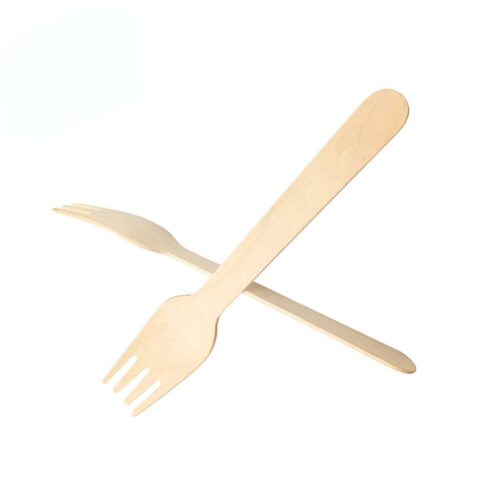
- Disposable Bamboo Forks: Sustainable Solutions for Catering & Hospitality
- Discover the Eco-Friendly Future with Disposable Bamboo Cutlery
- Bamboo Fork and Knife Sets: The Secret Weapon for Guilt-Free Dining
- Wooden Tableware Safety: What You Need to Know About Toxic Finishes and Treatments
- Browse all articles & products →
Products in this guide
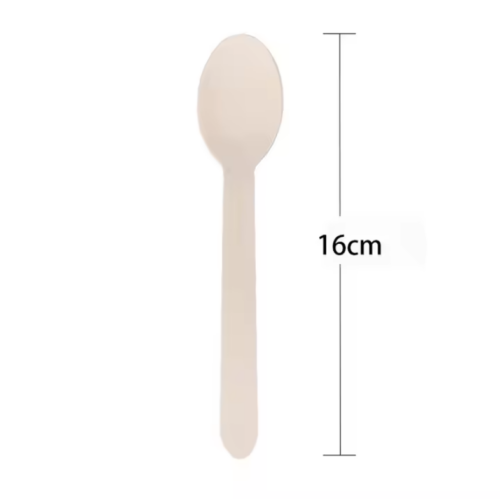
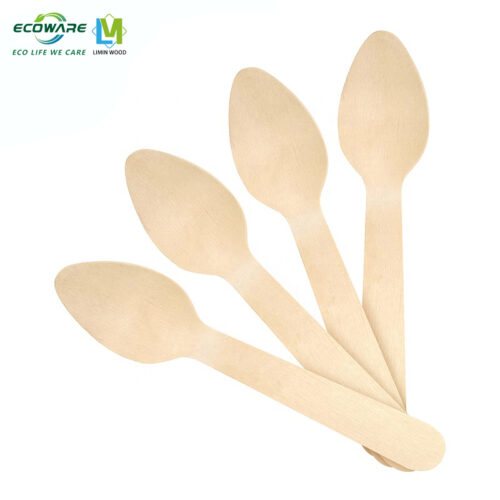
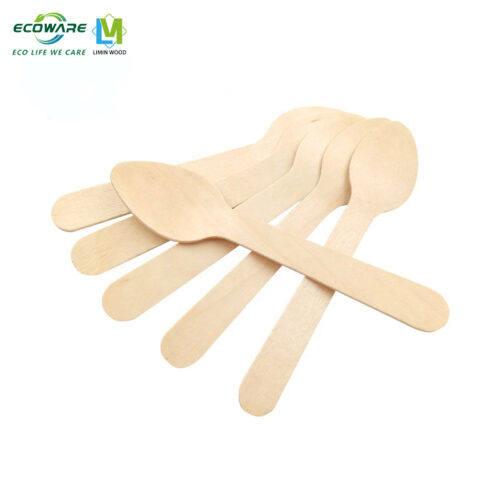
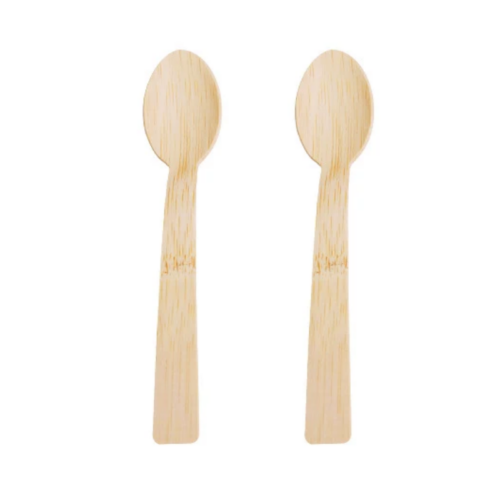 Disposable Bamboo Spoon 6.7 Inch
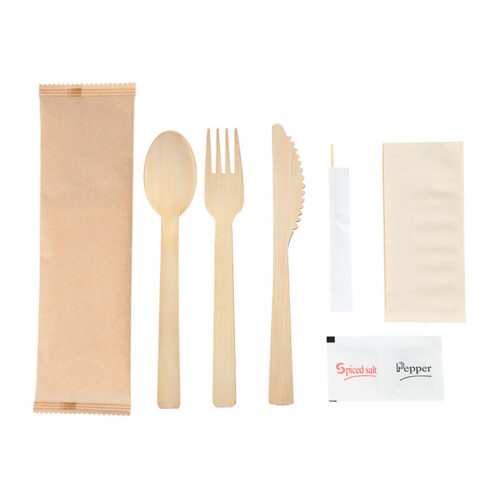 6 in 1 Wrapped Disposable Bamboo Cutlery Set
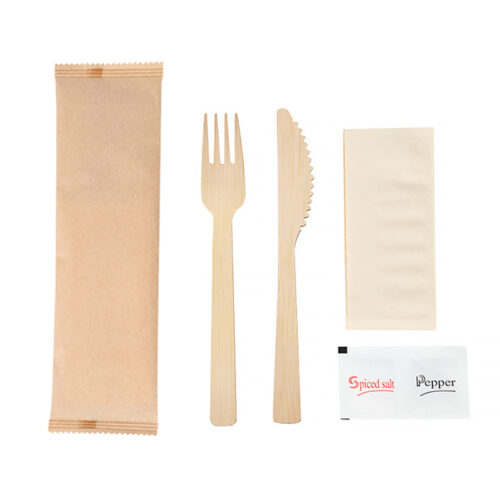 5 in 1 Bamboo Cutlery Set (knife + fork + salt + pepper + napkin)
See all Disposable Bamboo Cutlery Set → Request free samples →