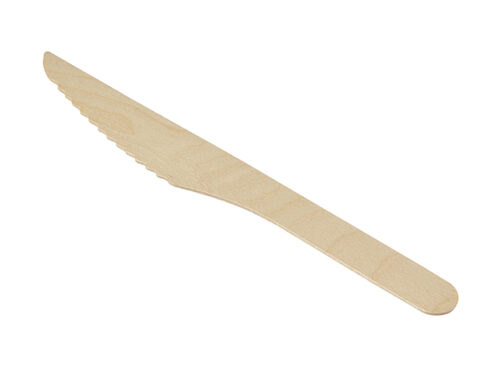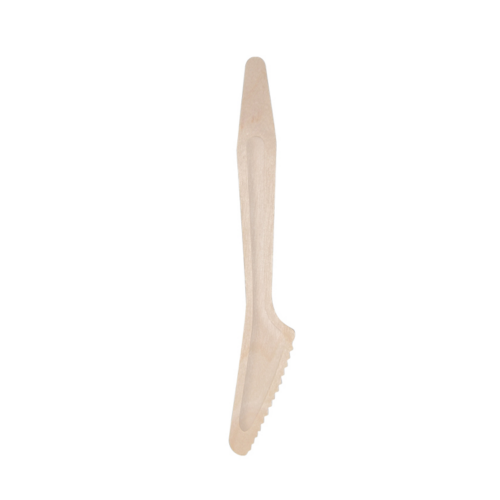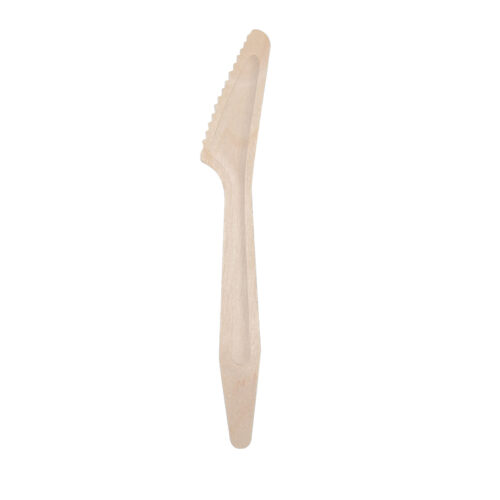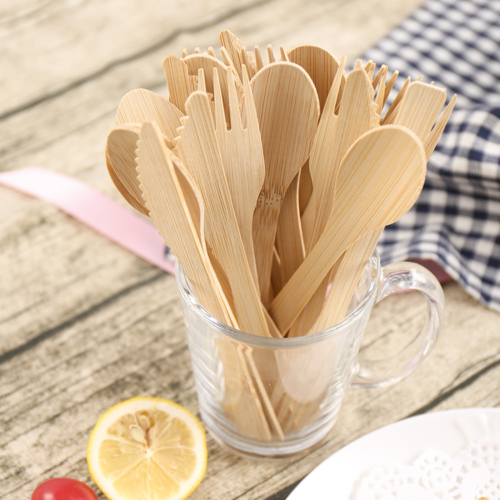
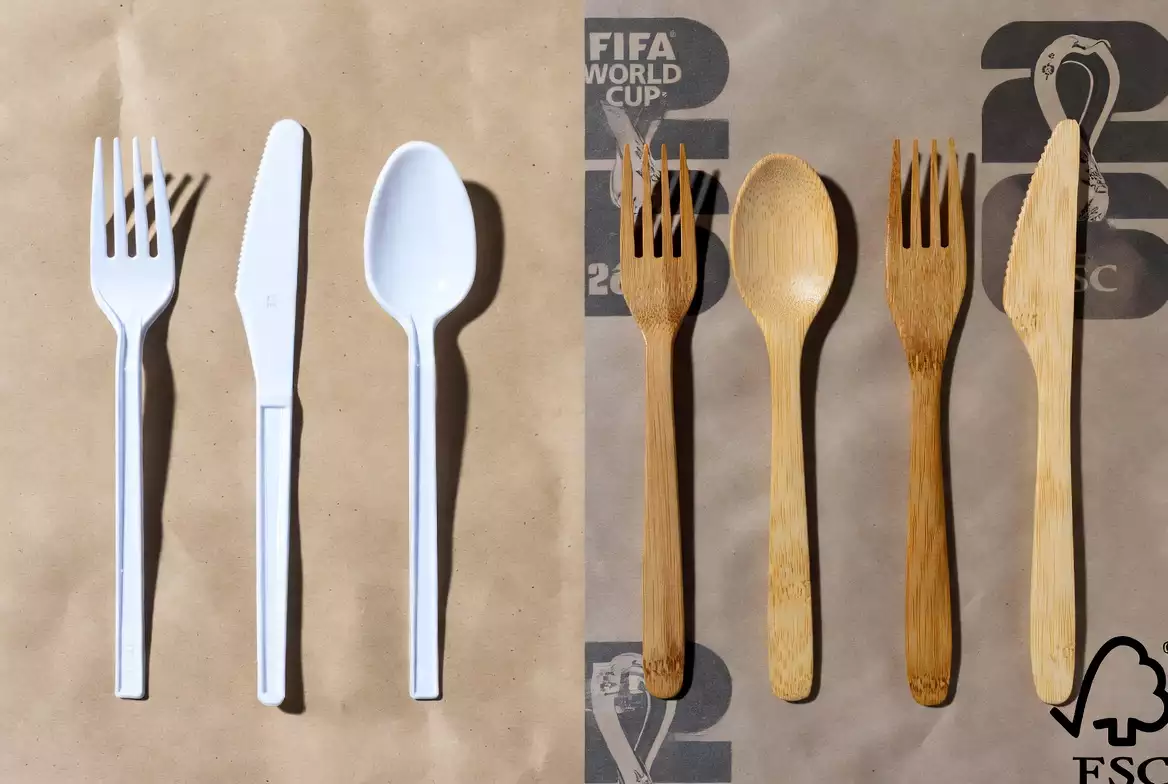
TL;DR: For 2026 World Cup foodservice, disposable bamboo and birchwood cutlery beat plastic on compostability, compliance and brand value, while staying competitive on landed cost at bulk volume. Plastic wins only on raw sticker price — and that advantage shrinks once you factor in single-use plastic bans, disposal and the reputational risk of serving plastic at a tournament under heavy environmental scrutiny. For most caterers, food trucks and vendors, compostable wood or bamboo is the better B2B choice. The decision table below shows why.
This is a buyer’s comparison, written by a manufacturer of compostable cutlery. We’ll be straight about where plastic still has an edge and where it doesn’t.
The context buyers can’t ignore
The 2026 World Cup put foodware politics on the front page. FIFA’s choice of single-use plastic for Toronto matches drew criticism from the Toronto Environmental Alliance, which estimated over one million plastic items could be avoided by switching (Packaging Insights), and from Oceana. A YouGov poll cited by Friends of the Earth found 84% of fans want less single-use plastic. Serving plastic at this tournament is no longer a neutral default — it’s a visible choice.
Quotable stat: Switching one host city’s World Cup matches away from single-use plastic foodware could prevent more than one million plastic items, per the Toronto Environmental Alliance.
Side-by-side: bamboo/birchwood vs plastic
| Factor | Bamboo / birchwood cutlery | Plastic cutlery |
|---|---|---|
| Raw unit cost | Slightly higher | Lowest |
| Landed cost at bulk | Competitive | Low |
| Strength (hot food) | Strong (full-gauge) | Variable; brittle when thin |
| Compostability | Yes (FSC wood, certified) | No |
| EU PPWR / Canada compliance | Compliant | Restricted/banned in many markets |
| Brand / marketing value | “Plastic-free” claim | Reputational risk |
| Microplastic / taste | None; neutral | Possible taint; microplastics |
| End of life | Compost | Landfill / litter |
Plastic’s only durable advantage is the lowest raw unit price. But at a World Cup, three things erode that:
- Compliance. EU PPWR and the single-use plastics directive restrict plastic cutlery and plates; several Canadian host-city bylaws do too. If you supply EU or Canadian operators, plastic may simply be off the table. See our Canada single-use rules guide.
- Total cost, not unit cost. Disposal fees, potential fines and brand damage aren’t in the sticker price. Our wooden cutlery cost vs plastic (TCO) analysis models the real number.
- Brand value. During a tournament where fans and media are watching plastic use, “compostable, plastic-free” is worth real money in a captive crowd.
Bamboo or birchwood — which compostable to pick?
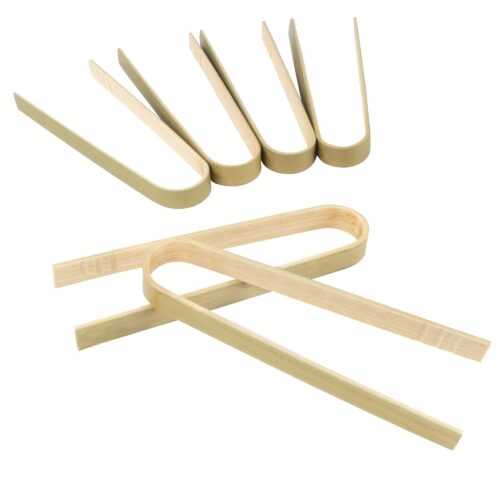
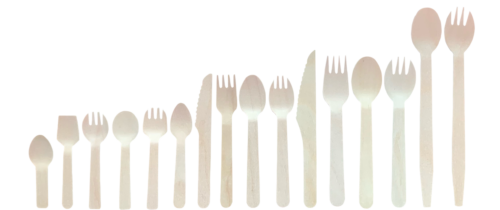
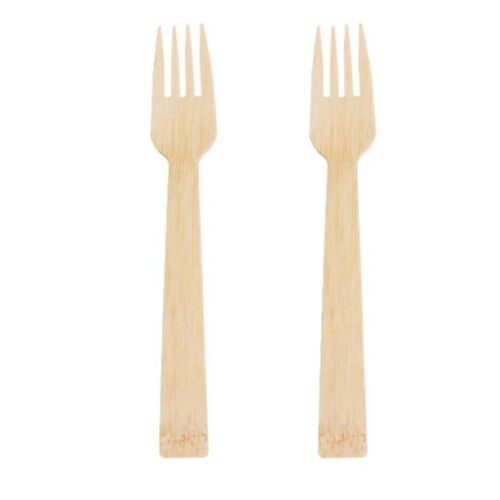
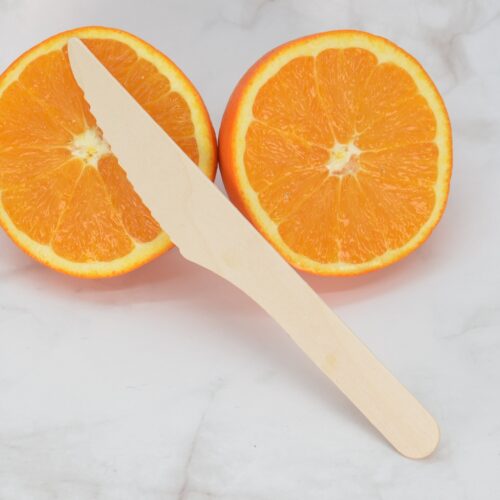
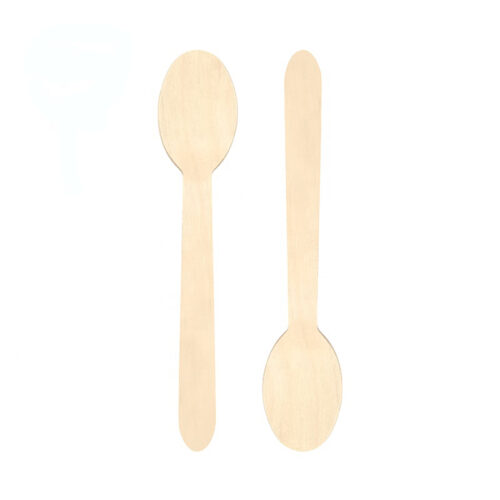
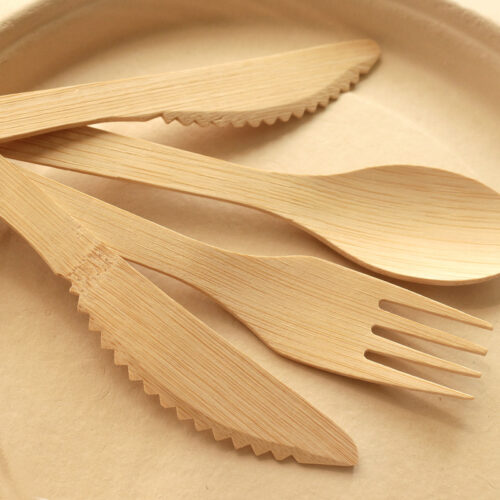
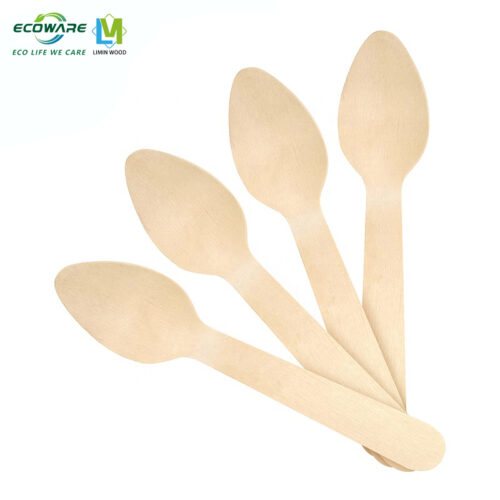
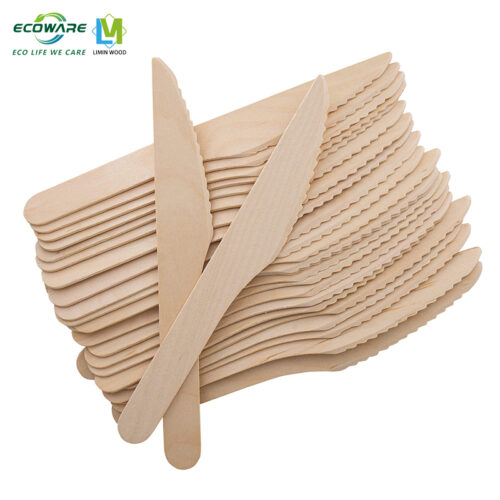
Both are compostable and strong. Birchwood is smoother, neutral-tasting and the most cost-efficient at scale; bamboo offers extra rigidity and a premium look that suits hospitality and custom-branded service. The full breakdown is in our bamboo vs birchwood B2B procurement guide.
- High-volume concessions / food trucks → birchwood for cost-efficient bulk.
- Premium hospitality / branded experiences → bamboo, ideally custom-logo.
- EU/Canada supply → compostable is effectively mandatory.
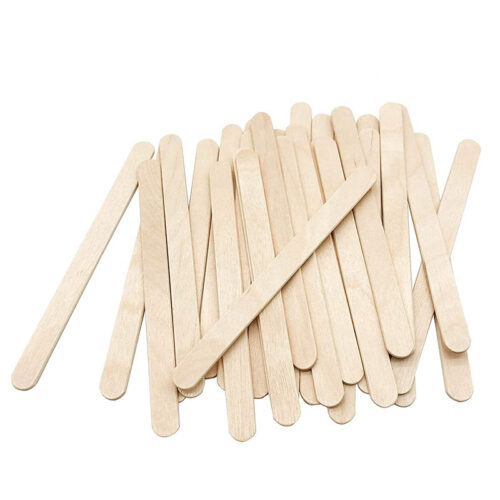
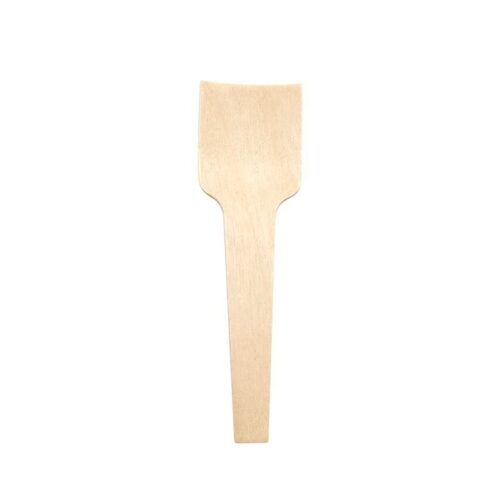
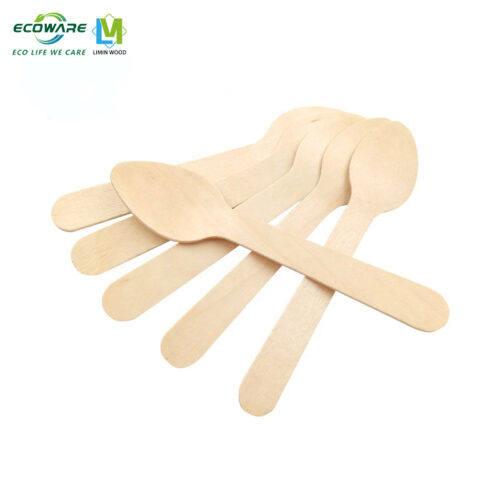
- Dessert and beverage stands → wooden ice cream spoons and stirrers.
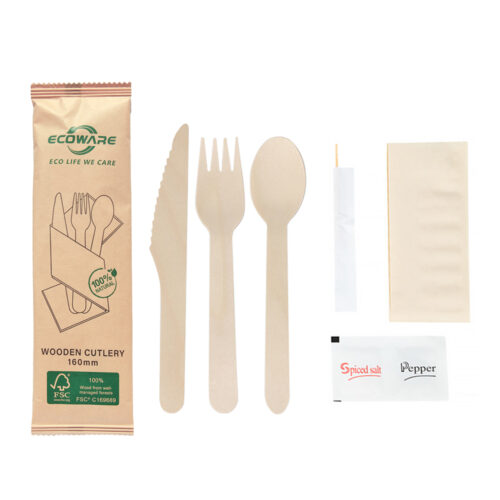
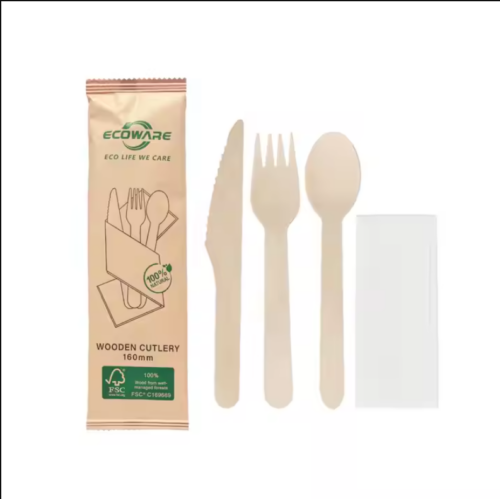
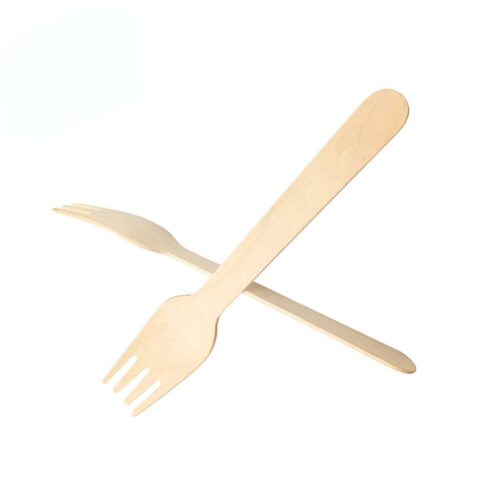
This comparison sits within our World Cup 2026 sustainable tableware hub. Browse the disposable wooden cutlery set or disposable bamboo cutlery set, then request a quote with your volumes.
Frequently asked questions
Is bamboo cutlery cheaper than plastic?
Not on raw unit price, but landed cost at bulk is competitive — and once disposal, compliance and brand value are counted, compostable cutlery often wins on total cost.
Is disposable bamboo cutlery strong enough to replace plastic?
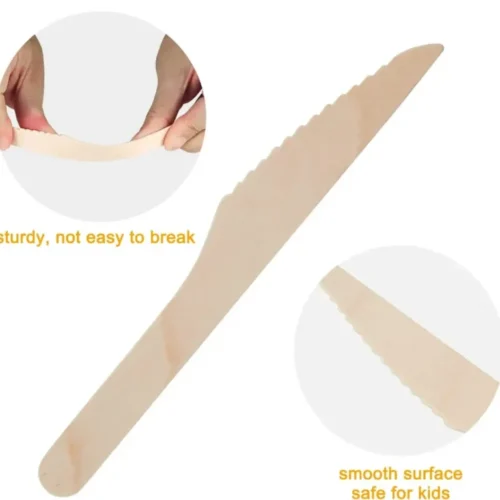
Yes. Full-gauge bamboo and birchwood handle hot and cut-and-stab foods; choose reinforced knives for tougher dishes.
Can I still use plastic cutlery at the 2026 World Cup?
It depends on your market. EU PPWR and several Canadian bylaws restrict plastic cutlery and plates, so EU/Canada operators may be limited to compostable options.
Bamboo or birchwood — which should I buy?
Birchwood for cost-efficient high volume; bamboo for premium look and extra rigidity. Both are compostable and FSC-certifiable.
*Sources: Packaging Insights (Toronto Environmental Alliance, Oceana); Friends of the Earth (YouGov); FIFA; EU PPWR; FSC.*
Related Articles
- How Global Buyers Evaluate Disposable Wooden & Bamboo Cutlery Manufacturing
- Why Choose Bamboo Cutlery Over Plastic? Industry Veteran Reveals: 90% of People Are Being Misled by the “Eco-Friendly Illusion”
- Five Steps to Extend the Lifespan of Reusable Bamboo Tableware by 2026
- Are Your Wooden Tableware Sets Safe? Experts Weigh In on Food Safety Standards
- Browse all articles & products →
Products in this guide
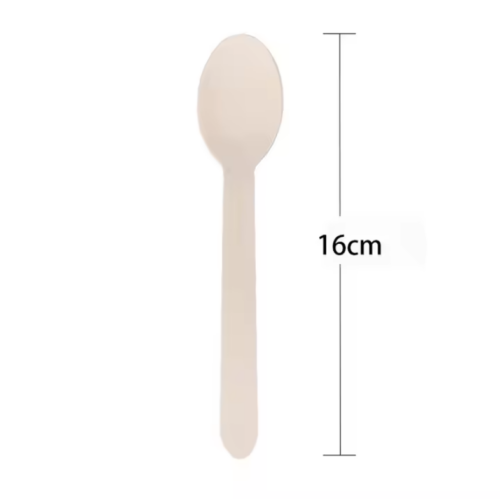
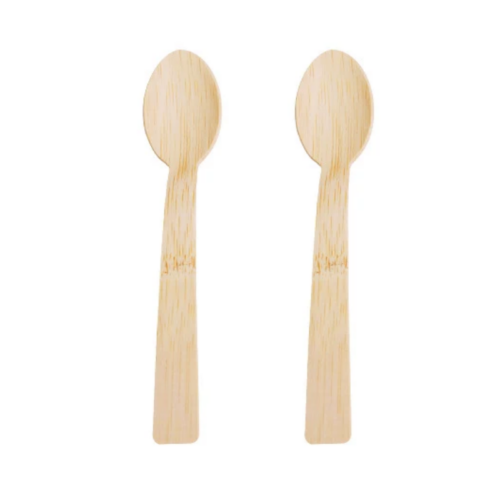 Disposable Bamboo Spoon 6.7 Inch
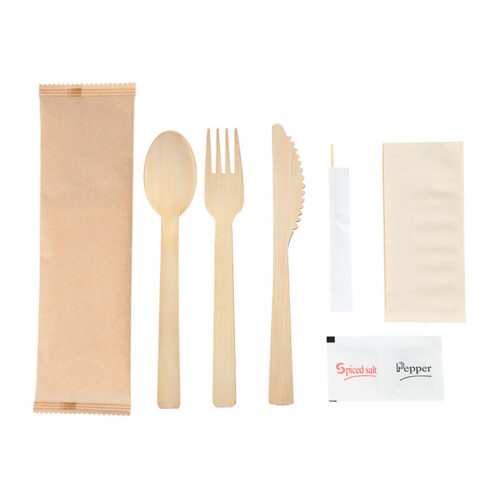 6 in 1 Wrapped Disposable Bamboo Cutlery Set
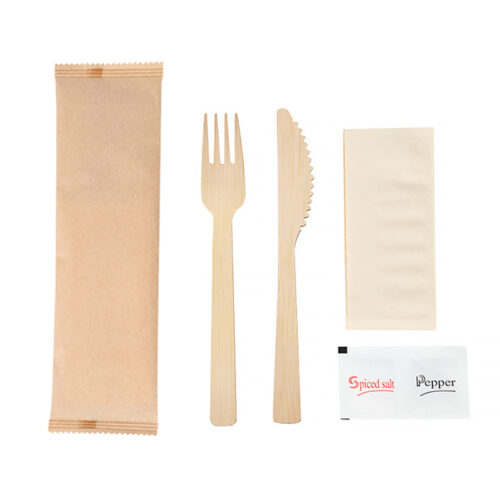 5 in 1 Bamboo Cutlery Set (knife + fork + salt + pepper + napkin)
See all Disposable Bamboo Cutlery Set → Request free samples →
Related buyer guides
- Biodegradable vs Compostable Cutlery: What Each Label Means and Which One Your Market Accepts
- Wooden Cutlery HS Code (4419) and Import Duty from China: A Landed-Cost Walkthrough
- Home Compostable vs Industrial Compostable Cutlery: The Label Buyers Keep Mixing Up
- Is Bamboo Melamine Safe? Bamboo-Melamine vs Solid Bamboo Utensils and the Formaldehyde Question