TL;DR — Quick answer for caterers and vendors:
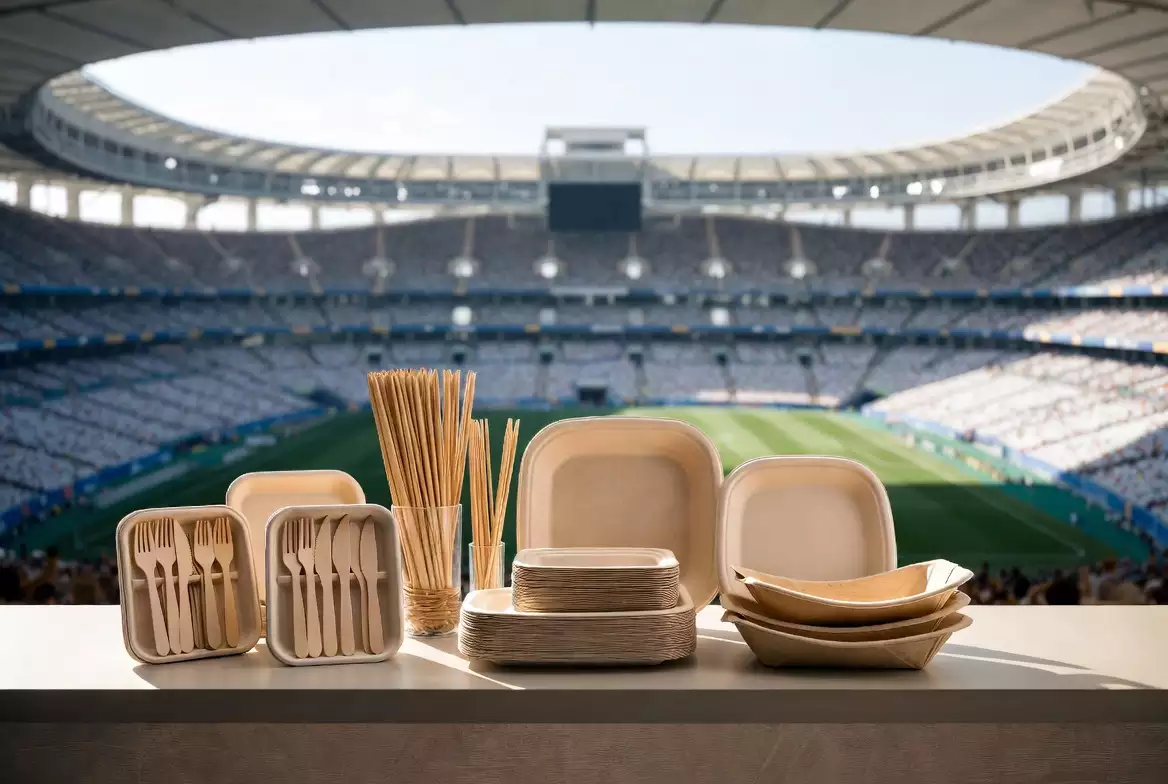
For the 2026 FIFA World Cup (June 11–July 19, across 16 cities in the United States, Canada and Mexico), the most practical sustainable foodservice option for high-volume, single-serve crowds is certified compostable disposable tableware — birchwood and bamboo cutlery, plus sugarcane bagasse plates and boats. Reusable systems work well in fixed venues with wash infrastructure, but for mobile food trucks, walk-up concessions and roaming fan zones, compostable single-use is the only model that scales to tens of thousands of servings a day without on-site dishwashing. This guide explains what to buy, how much, and when to order.
EcoWareTech manufactures disposable wooden, bamboo and bagasse foodservice products, and this article reflects what we see in real B2B orders from event caterers and concession operators. We’ve organized it as the central hub for our World Cup 2026 sourcing series; deeper guides are linked throughout.
Why tableware is suddenly a World Cup talking point
The 2026 tournament is the largest in history: 48 teams, 104 matches and 39 days of football, according to FIFA and Britannica. More matches means more spectators, more fan festivals and far more food served outdoors.
It has also become a sustainability flashpoint. Ahead of the Toronto matches, the Toronto Environmental Alliance estimated that switching away from single-use plastic foodware at the events could prevent more than one million single-use plastic items, as reported by Packaging Insights. Environmental group Oceana has publicly criticized FIFA’s plastic-heavy foodservice choices. A separate YouGov poll cited by Friends of the Earth found that 84% of football fans want clubs to move away from single-use plastic.
For anyone feeding crowds at or around the tournament — caterers, food trucks, stadium concessionaires, hotels, retailers building World Cup grab-and-go ranges — that pressure translates into a simple procurement question: if not plastic, then what?
Quotable stat: The Toronto Environmental Alliance estimated that moving World Cup matches away from single-use plastic foodware could eliminate over one million plastic items in one host city alone.
The three realistic options, compared
| Option | Best for | Wash infra needed | Scales to mobile crowds | End of life |
|---|---|---|---|---|
| Reusable foodware | Fixed-seat venues, festivals with logistics budget | Yes (collect, wash, sanitize, restock) | No | Reuse, then recycle |
| Plastic single-use | Lowest unit cost only | No | Yes | Landfill / litter |
| Compostable single-use (wood, bamboo, bagasse) | Food trucks, fan zones, concessions, takeaway | No | Yes | Commercial / home compost |
Reusables are excellent where a city has the infrastructure — Montréal, for example, requires reusable cups and refill stations for major-event permits, per the Environment Journal. But a roaming fan zone or a fleet of food trucks can’t wash dishes between customers. That’s the gap compostable single-use fills.
What to actually source, by venue type
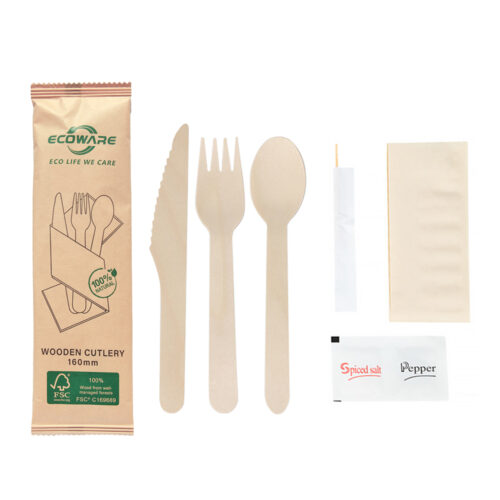
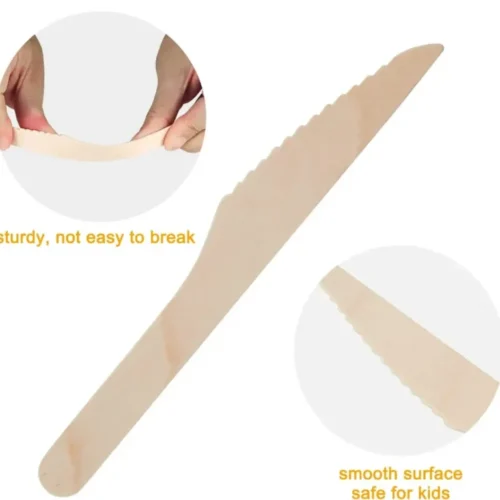
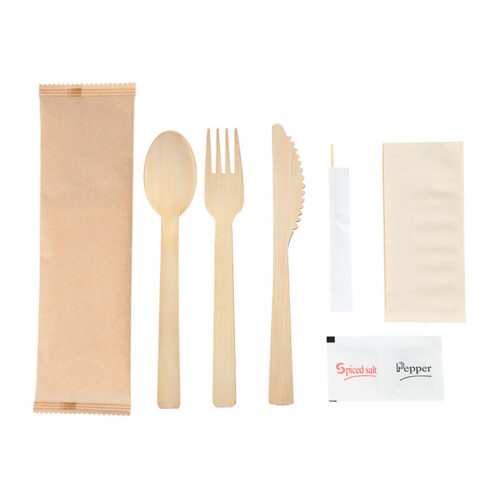
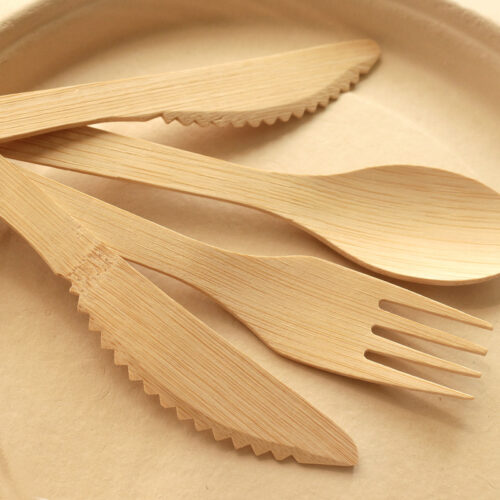
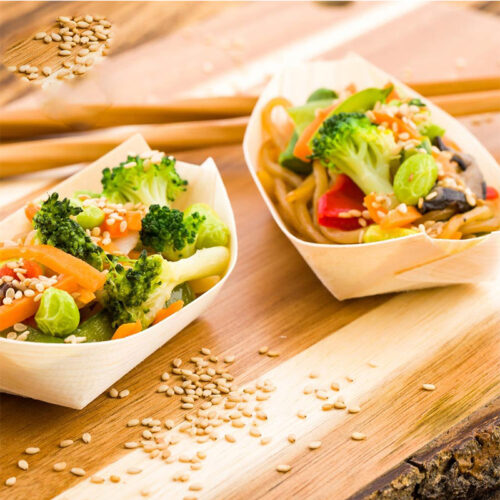
Fan zones and fan festivals. Expect peak walk-up volume and zero dishwashing. Prioritize birchwood cutlery sets and bagasse plates/boats. See our Catering & Hospitality Sustainable Solutions Guide for kit lists and per-1,000-guest math.
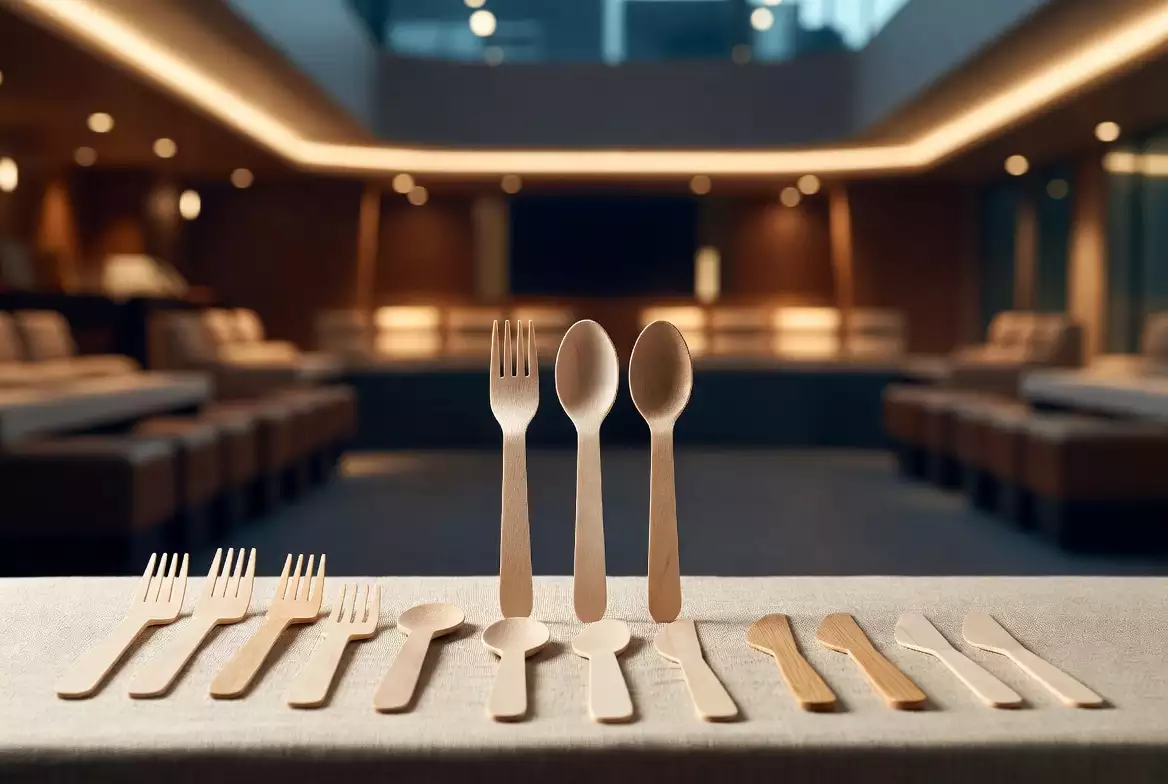
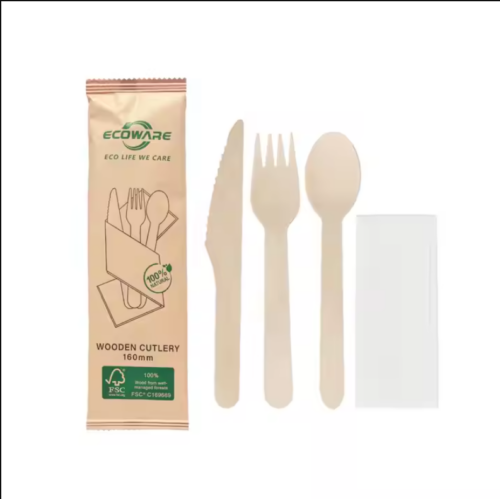
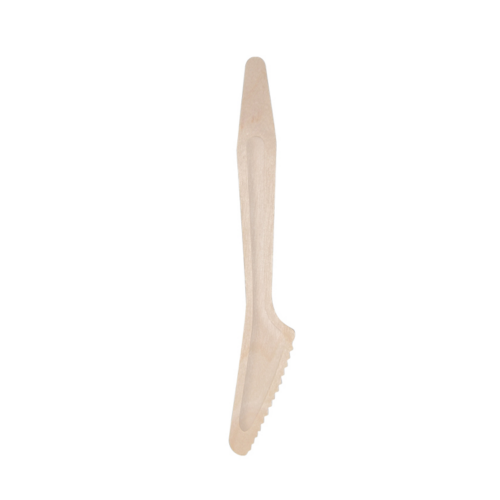
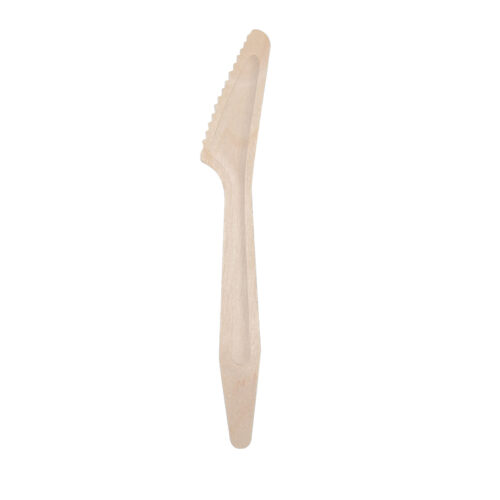
Food trucks and quick-service. Speed and grip matter. Wrapped cutlery sets and sturdy bagasse boats keep service moving. Details in our 2026 Disposable Wooden Knives and Forks Buying Guide.
Stadium and street-food concessions. Heat resistance and structural strength are non-negotiable for hot, saucy food. See Can Disposable Wooden Cutlery be Used for Hot Food? — relevant because FIFA and World Soccer Talk report that up to a third of matches may be played in high heat and humidity.
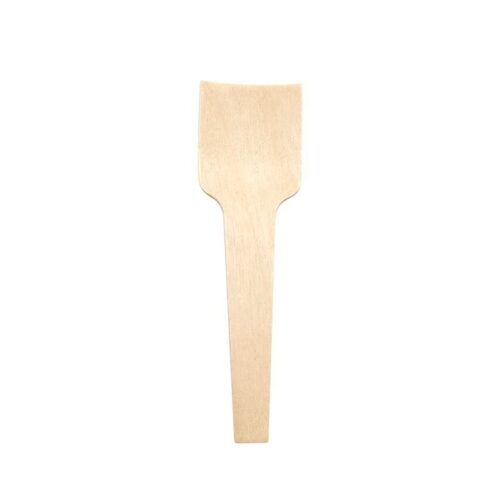
Hotels and hospitality. For branded guest experiences, custom-logo cutlery lifts perceived quality; see Custom Wooden Ice Cream Spoons for Sustainable Style.
Material primer: birchwood vs bamboo vs bagasse
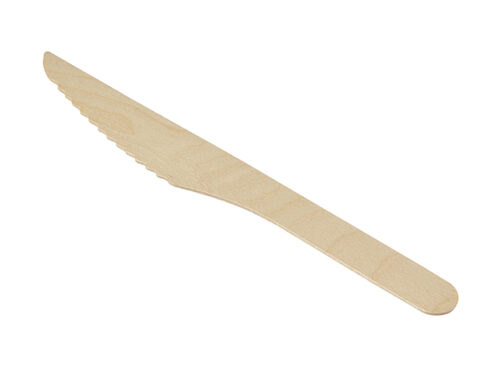
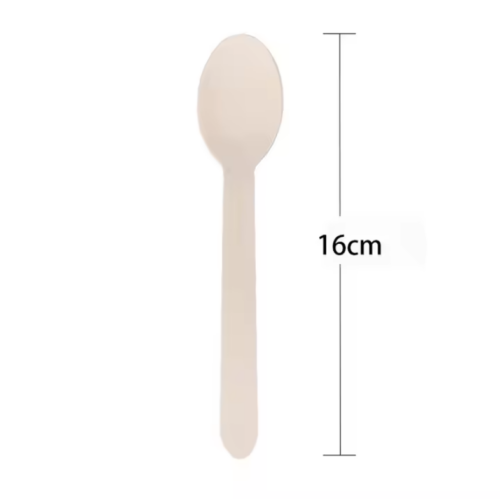
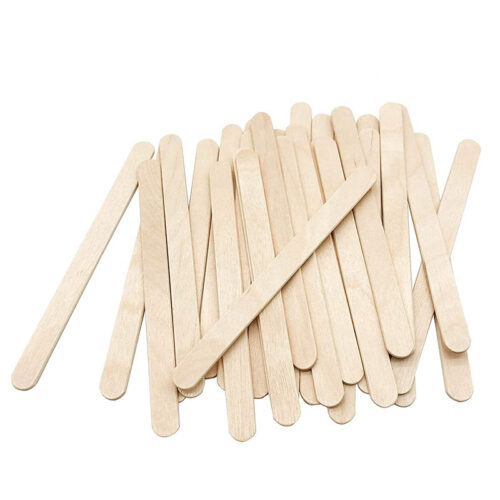
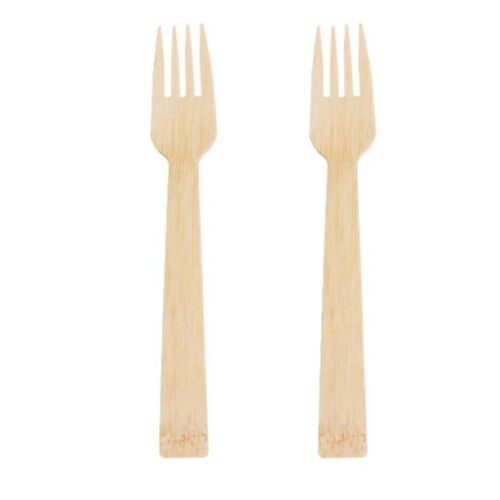
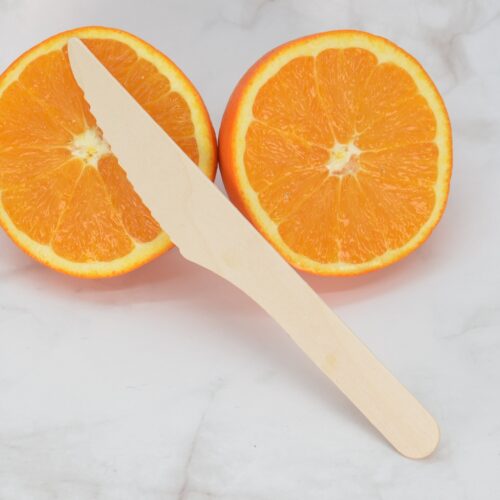
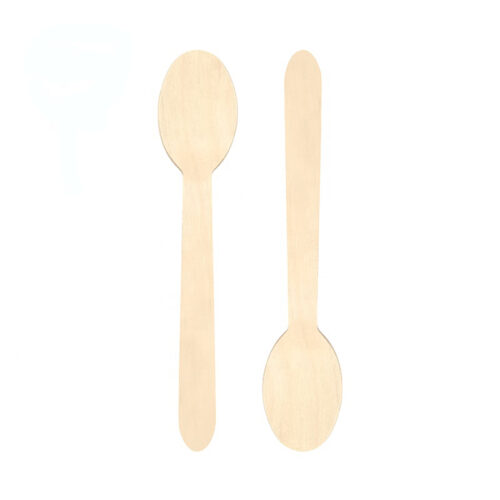
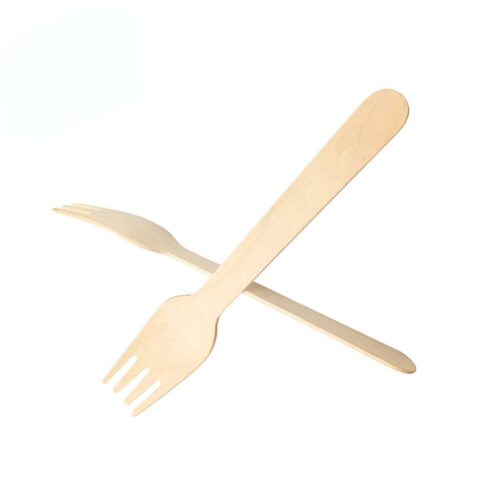
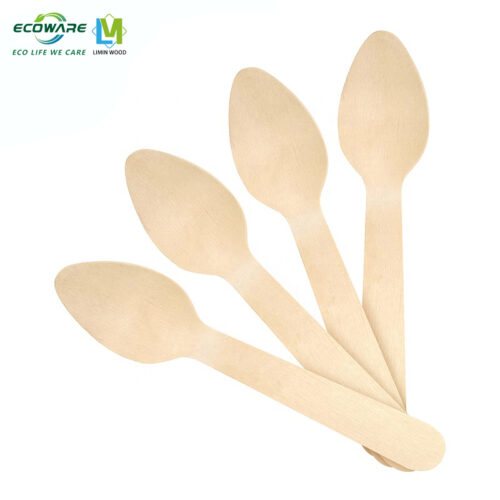
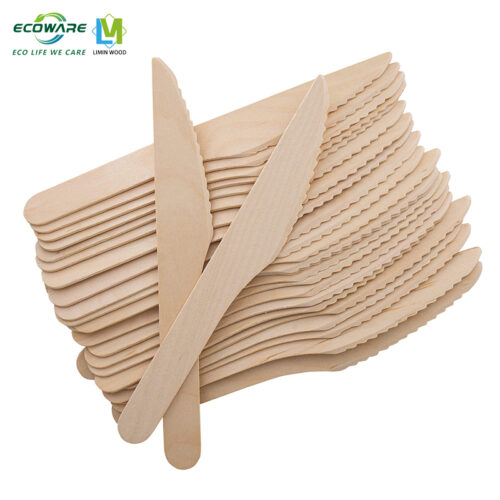
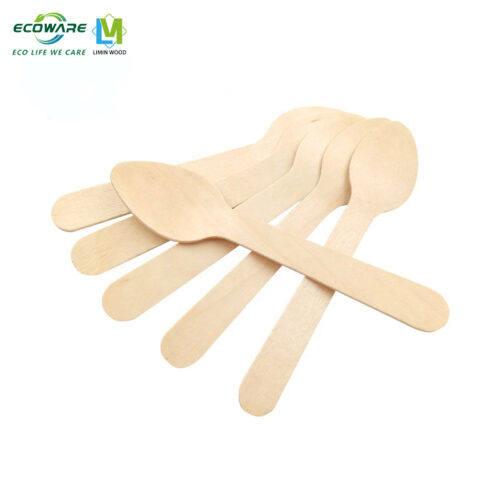
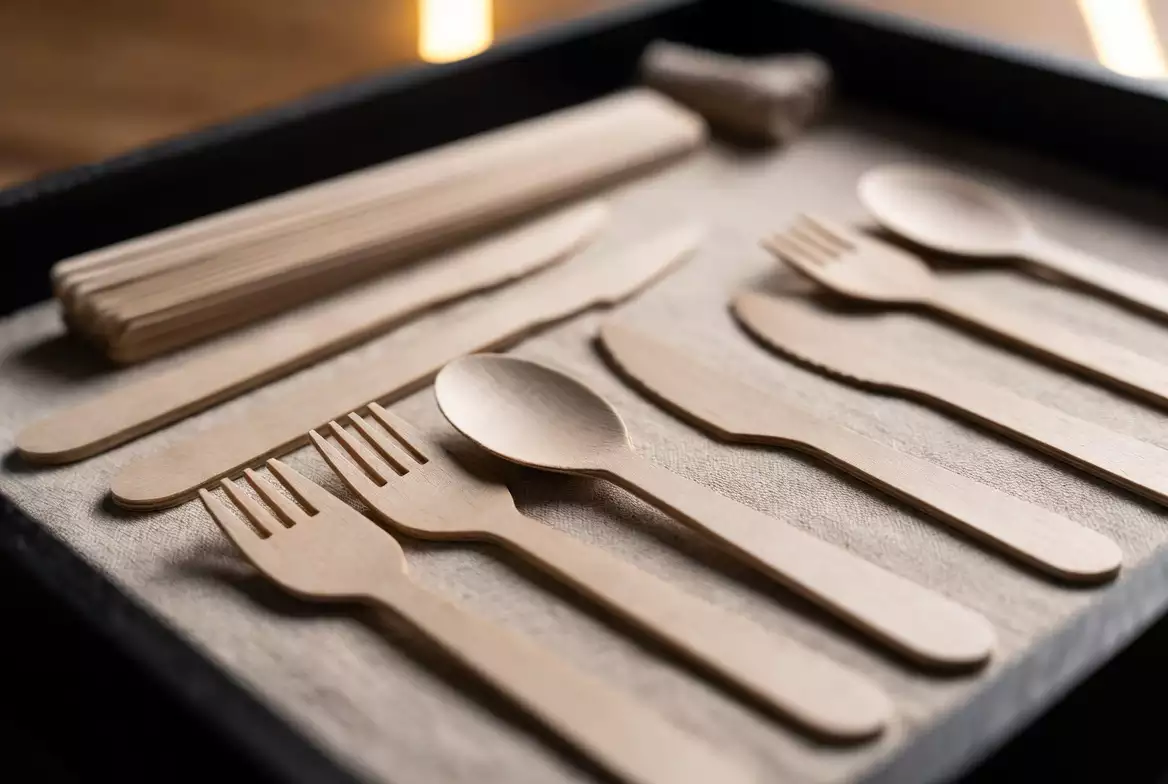
- Birchwood cutlery — smooth finish, neutral taste, strong for the size, FSC-certifiable. Our default for forks, spoons, knives and ice cream spoons.
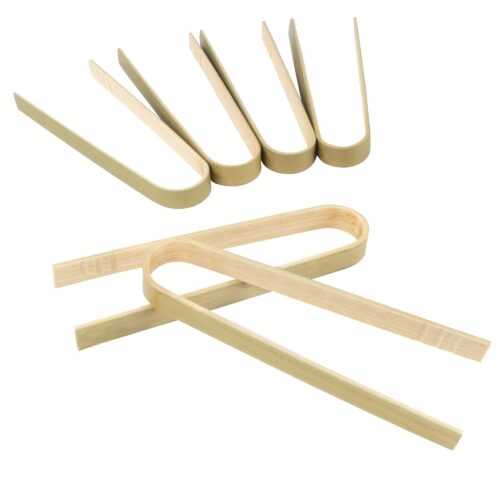
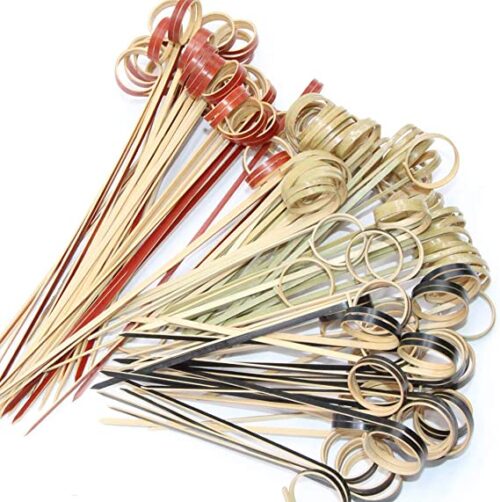
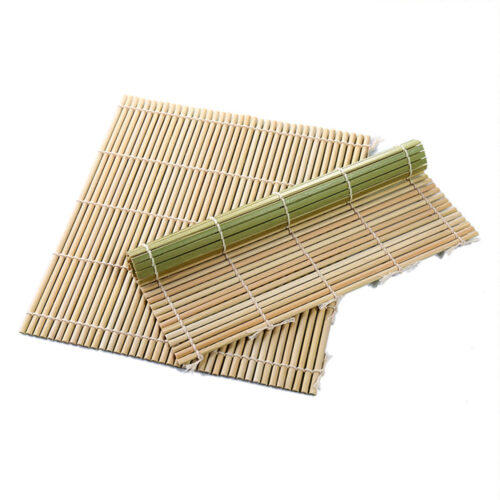
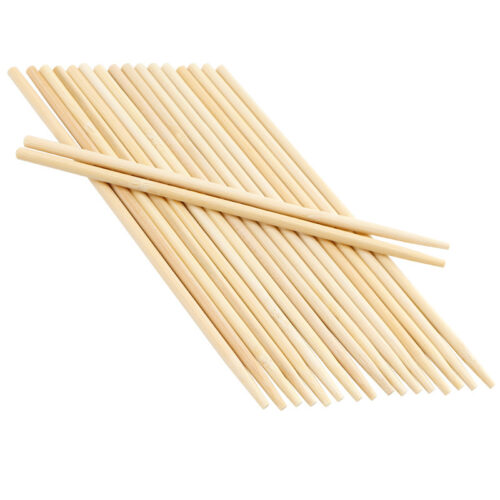
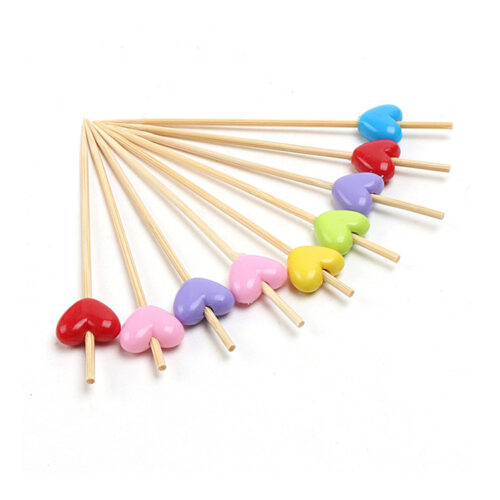
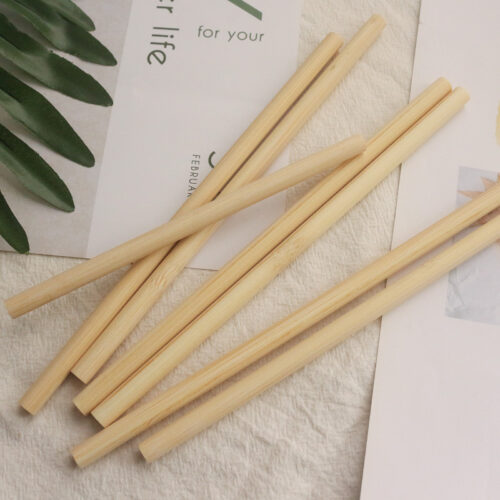
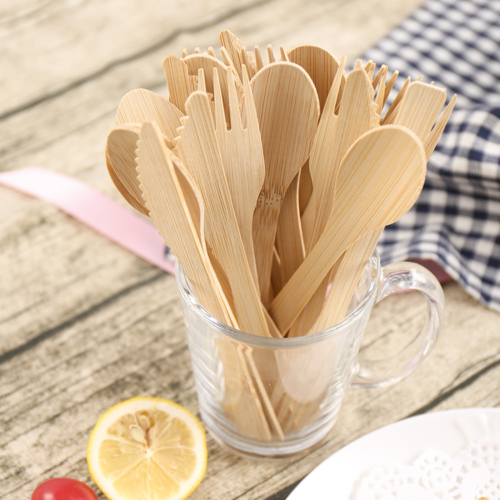
- Bamboo cutlery — fast-renewing grass, naturally rigid, premium look; strong for skewers, chopsticks and reinforced cutlery.
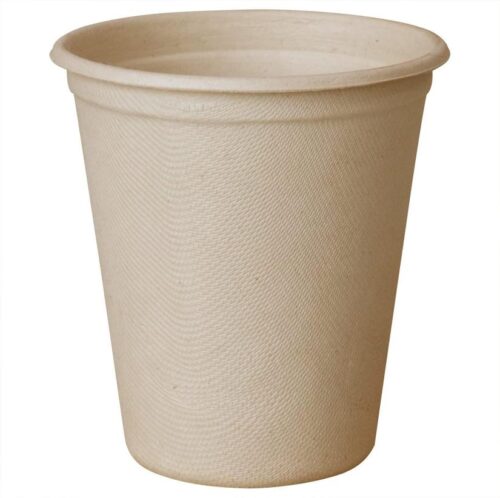
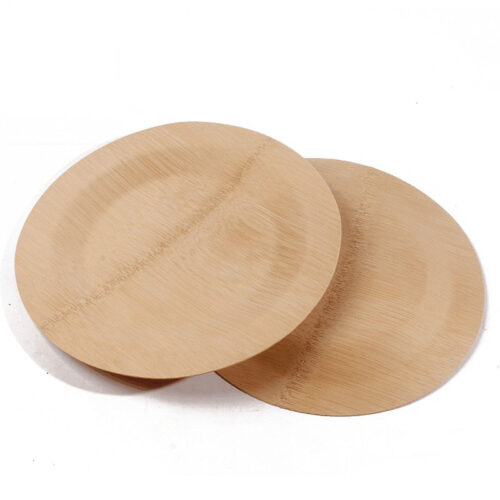
- Sugarcane bagasse — a fiber by-product pressed into plates, bowls, boats and food containers; microwave- and oil-tolerant, home-compostable.
For a deeper procurement comparison, read our bamboo vs birchwood B2B procurement guide and the cost analysis in wooden cutlery cost vs plastic (TCO).
Compliance: don’t get caught short
Single-use plastic rules now bite in many of EcoWareTech’s customer markets. The EU’s Packaging and Packaging Waste Regulation (PPWR) and single-use plastics directive restrict plastic cutlery and plates; several Canadian municipalities have foodware bylaws. If you supply European or Canadian operators, compostable wood, bamboo and bagasse keep you compliant. Our Disposable Cutlery Compliance Guide (PPWR/SUP) covers the regulatory specifics.
Timeline: when to lock in your order
Manufacturing and ocean freight lead times mean World Cup volumes should be reserved well before kickoff. Our Tableware Supply Chain Strategy Guide gives a working backward calendar, and the 2025–2030 disposable cutlery market report explains the demand context.
How EcoWareTech can help
We’re a manufacturer, not a reseller, so we control FSC sourcing, custom logo printing and bulk lead times directly. Browse the disposable wooden cutlery set and sugarcane bagasse products ranges, or request a quote with your match-day volumes.
Frequently asked questions
Is disposable wooden cutlery actually compostable?
Yes. Untreated birchwood and bamboo cutlery is biodegradable and compostable; bagasse tableware is certified home- and commercial-compostable. Look for FSC and compost certifications on the spec sheet.
Why not just use reusables everywhere at the World Cup?
Reusables need collection, washing and sanitizing infrastructure. That fits fixed venues but not mobile food trucks or roaming fan zones, where compostable single-use is the only model that scales to crowd volume.
How far ahead should I order for the tournament?
Reserve early. Custom-logo and high-volume orders involve production plus freight lead time; see our supply chain strategy guide for a match-day countdown.
Which is better, bamboo or birchwood cutlery?
Both are strong and compostable. Birchwood is smoother and cost-efficient at scale; bamboo offers a premium look and extra rigidity. See our B2B procurement comparison.
Sources: FIFA; Britannica; Packaging Insights (Toronto Environmental Alliance, Oceana); Friends of the Earth (YouGov); Environment Journal; World Soccer Talk; EU PPWR.
Related Articles
- Ecoware Co., Ltd Launches New Disposable Wooden Cutlery Set
- Ecoware Co., Ltd. Changing the Disposable Wooden Tableware Industry
- Advantages and Disadvantages of Disposable Wooden Tableware
- Is Your Wooden Tableware Safe? A Guide to Choosing Non-Toxic, Eco-Friendly Options
- Browse all articles & products →