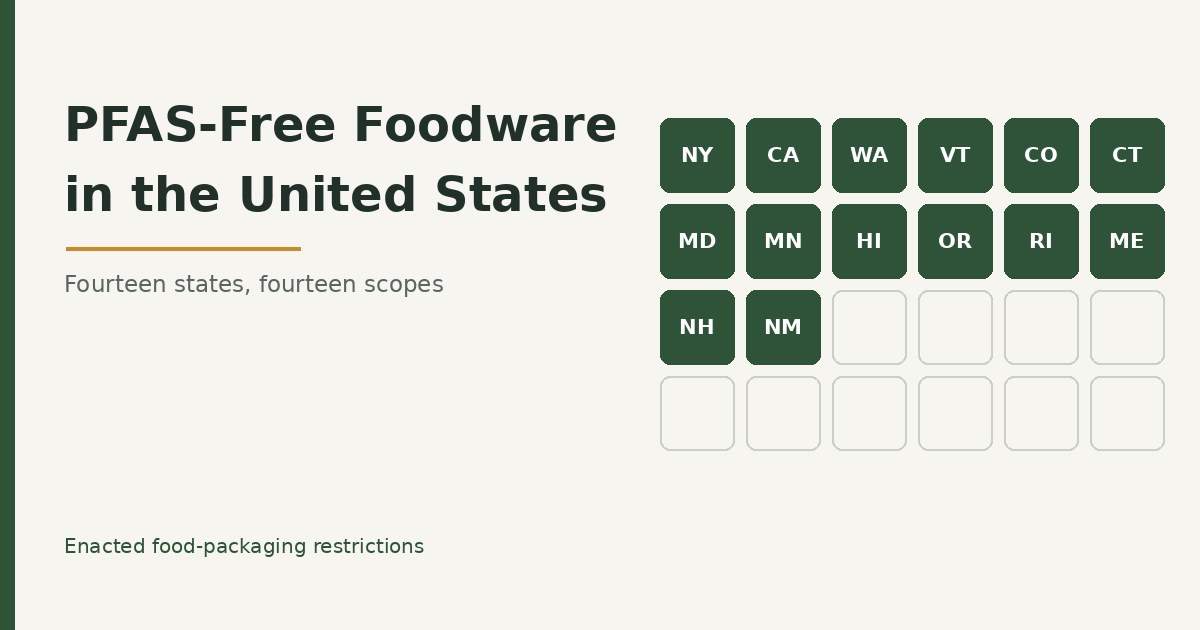
Quick answer: Fourteen US states have enacted restrictions on PFAS in food packaging, and they do not share one rule, one date or one definition. Most target intentionally added PFAS; California adds a total organic fluorine screen; some cover all food packaging while others reach only plant-fibre packaging. There is still no federal ban, which surprises buyers who have read the FDA announcement. And a PFAS-free reply that a compliance team can file is a test report with a method and a detection limit behind it, not a sentence in an email.
The states with enacted restrictions
Counts published for this vary between roughly a dozen and eighteen, largely because some trackers include proposed bills and others count wider PFAS laws that are not about food packaging. The list below follows a law-firm tracker of enacted food-packaging restrictions and stands at fourteen. Treat it as a starting point for the states you ship to, and confirm the current text before it goes into a contract.
| State | In effect from | What it covers |
|---|---|---|
| New York | 31 December 2022 | Plant-based packaging, intentionally added PFAS |
| California | 1 January 2023 | Plant-based packaging; intentionally added PFAS and above 100 ppm total organic fluorine |
| Washington | 1 February 2023, phased | Plant-based packaging, with further categories from 1 May 2024 |
| Vermont | 1 July 2023 | All food packaging, intentionally added PFAS |
| Colorado | 1 January 2024 | Plant-based packaging, intentionally added PFAS |
| Connecticut | 1 January 2024 | All food packaging, intentionally added PFAS |
| Maryland | 1 January 2024 | Plant-based packaging, intentionally added PFAS |
| Minnesota | 1 January 2024 | All food packaging, intentionally added PFAS |
| Hawaii | 31 December 2024 | Plant-based packaging, intentionally added PFAS |
| Oregon | 1 January 2025 | Foodware containers, intentionally added PFAS |
| Rhode Island | 1 January 2025 | All food packaging, intentionally added PFAS |
| Maine | 25 May 2026, phased to 1 January 2032 | Plant-based packaging first, widening to all food packaging |
| New Hampshire | 1 January 2027 | All food packaging, intentionally added PFAS |
| New Mexico | 1 January 2027 | All food packaging, intentionally added PFAS |
Maine also carries a separate notification duty: manufacturers of products with intentionally added PFAS have had to notify the state’s Department of Environmental Protection since 1 January 2026. It is the only one of the fourteen with that obligation, and it is easy to miss because it sits apart from the sales restriction.
What “intentionally added” means, and why California is different
Most of these laws restrict PFAS that were put there on purpose to do a job, which in food packaging almost always means grease and moisture resistance. A trace that arrives through recycled content or shared equipment is a different question from a fluorochemical coating applied to make a wrapper hold oil.
California pairs that with a numeric screen: intentionally added PFAS, and separately a threshold above 100 ppm total organic fluorine. Total organic fluorine does not identify a substance. It measures fluorine, and a result over the line is a signal to investigate rather than proof that a restricted substance was added. Knowing which of the two tests a buyer is invoking changes which laboratory method answers them, so it is worth asking before commissioning anything.
The FDA announcement is not a federal ban
In February 2024 the FDA announced that substances containing PFAS “were no longer being sold into the U.S. market for use as grease-proofing agents on paper food packaging”. Buyers cite this constantly, and they often cite it as though it settled the question nationally.
It did not. The FDA describes this as the completion of voluntary market phase-out commitments by manufacturers, alongside earlier regulatory action. A voluntary phase-out of a supply route is not a prohibition on placing product on the market, and it does not displace any of the fourteen state laws above. In practice it means new PFAS grease-proofing agents are hard to buy in the US, while the legal obligations that bind a shipment still come from the states.
Where wooden and bamboo cutlery sits, and where your packaging sits
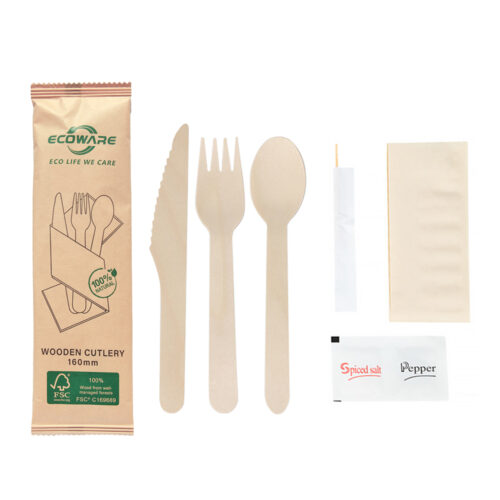
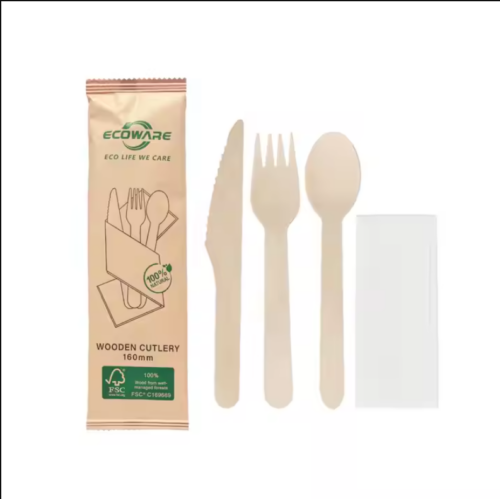
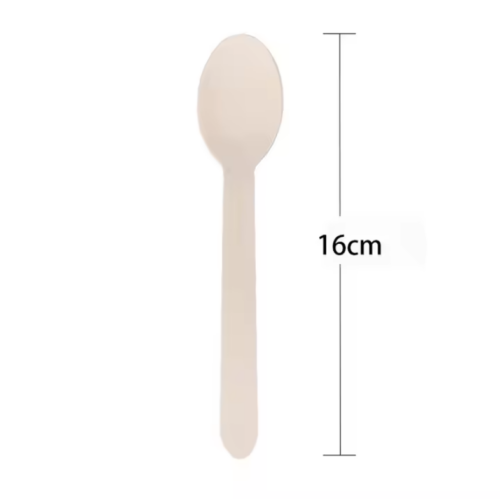
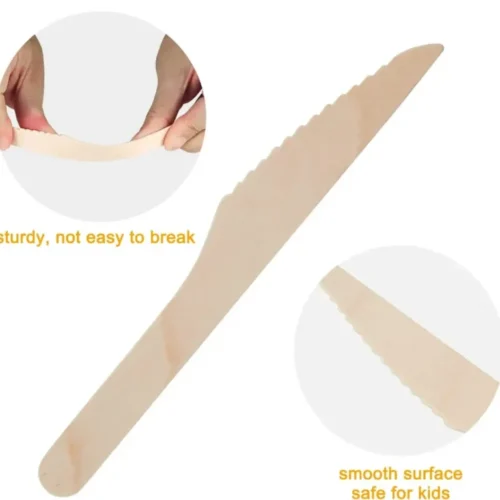
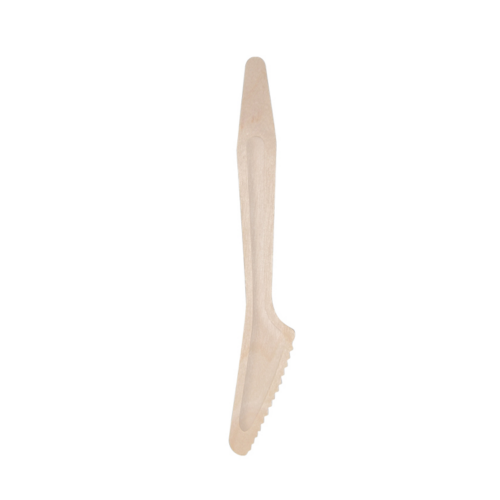
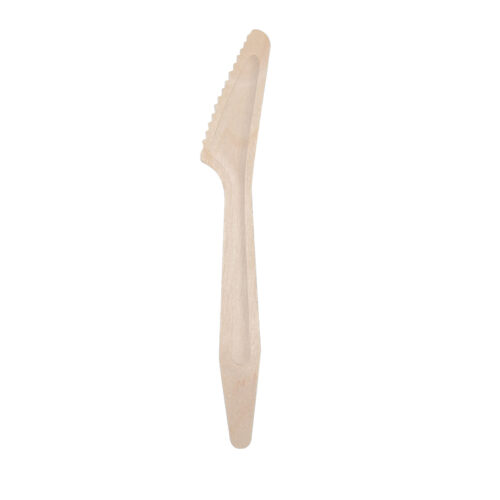
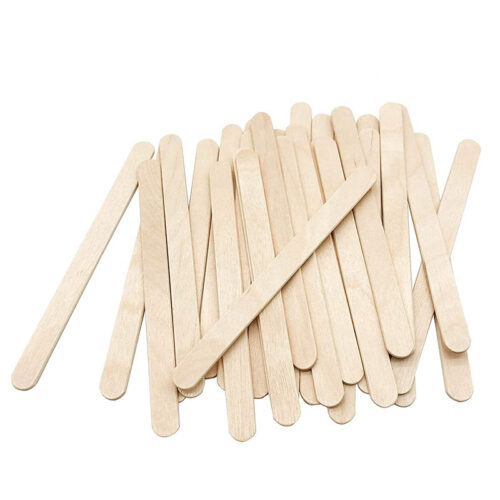
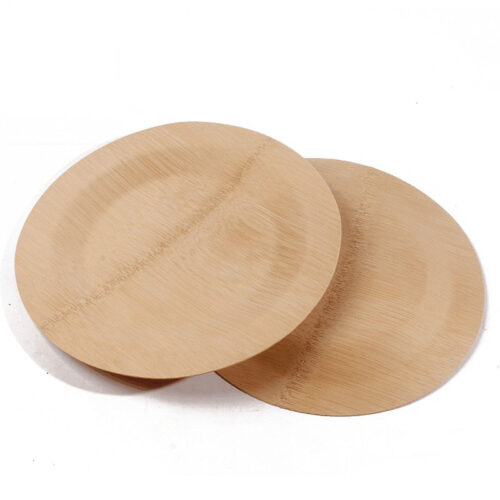
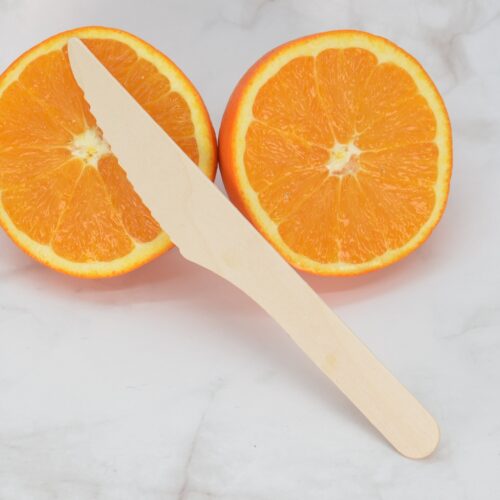
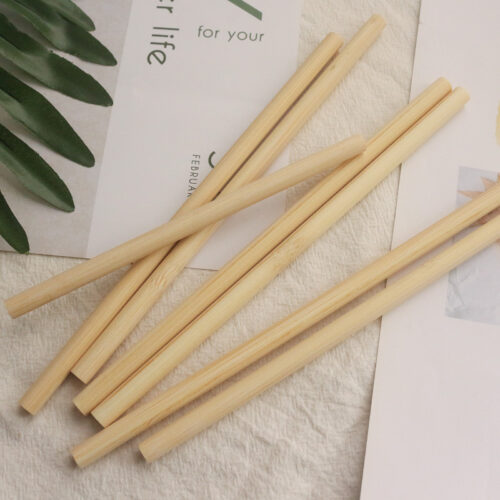
Most of these statutes were written with fibre-based food packaging in mind: the wrappers, boxes, bowls and plates that historically carried fluorochemical grease-proofing. Uncoated wooden or bamboo cutlery does not use a grease-proofing coating, which is the function the laws are aimed at.
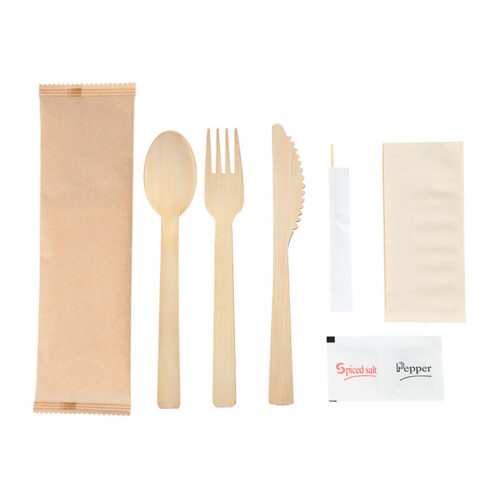
That is a statement about what the laws target. It is not a test result, and it does not clear the rest of a shipment. Several of these states reach all food packaging rather than only plant-fibre packaging, and the kraft sleeves, cartons and paper bags travelling with a cutlery order are packaging by any reading. If you sell into Vermont, Connecticut, Minnesota, Rhode Island, New Hampshire or New Mexico, the packaging question is live even when the cutlery question is not.
What a defensible PFAS-free answer contains
A buyer sourcing PFAS-free foodware is asking for a document, and a compliance team cannot file a sentence. When the answer is an email saying the products do not contain PFAS, the request comes back with more questions attached, and the account spends another two weeks on it. A usable answer names all of the following.
- The laboratory and the report number, so a third party can look it up.
- The method, and the analyte list that method covers. A report for a handful of PFAS is not a report for all of them.
- The limit of detection. “Not detected” carries no information without it.
- The date of the report, and the material or SKU the sample was taken from.
- Whether the result speaks to intentionally added substances, total organic fluorine, or both.
- A plain note on what the report does not cover, written before the buyer works it out themselves.
That last line saves more relationships than any of the others. A report on a birch fork says nothing about the kraft sleeve around it, and a buyer who finds that gap unaided will discount the whole file.
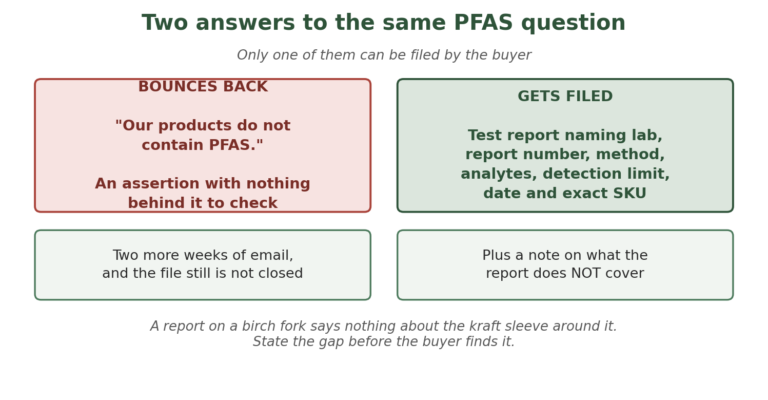
The difference between a reply that closes the request and one that starts another round.
What this guide does not claim
This page does not state that any Ecoware product is PFAS-free. That claim needs a report number, a method and a detection limit behind it, tied to a specific material, and a supplier page is the wrong place for it.
It also does not determine whether a particular SKU falls inside a particular state’s definition. Scope decisions belong to the party selling into that state, working from the current statutory text. State laws in this area have been amended repeatedly, the count of them moves, and nothing here is legal advice. Where a shipment turns on the answer, the statute and a compliance professional outrank this guide and every other summary of it.
Frequently Asked Questions
How many US states restrict PFAS in food packaging?
Fourteen have enacted food-packaging restrictions, on a law-firm tracker of enacted laws. Published counts range from about twelve to eighteen because some trackers include proposed bills or broader PFAS statutes that are not specific to food packaging. Check the states you ship to rather than relying on a headline number.
Is there a federal US ban on PFAS in food packaging?
No. The FDA announced in February 2024 that PFAS grease-proofing agents were no longer being sold into the US market, but it describes this as the completion of voluntary market phase-out commitments by manufacturers, not a prohibition. The binding obligations come from state law.
Does the restriction apply to wooden or bamboo cutlery?
These laws are aimed at fibre-based food packaging and at PFAS added to provide grease and moisture resistance, which uncoated wooden and bamboo cutlery does not use. Several states reach all food packaging though, so the paper sleeves, cartons and bags shipped with an order are a separate question from the cutlery itself.
What is total organic fluorine, and why does California ask for it?
It is a measurement of fluorine content rather than an identification of a particular substance. California pairs an intentionally-added restriction with a threshold above 100 ppm total organic fluorine, so a high result is a trigger to investigate rather than proof that a restricted substance was deliberately used.
Can a supplier just confirm in writing that a product is PFAS-free?
Not in a way a compliance team can rely on. What is usable is a test report naming the laboratory, report number, method, analytes, limit of detection, date and the exact material tested, plus a note on what the report does not cover.
Related Guides
- PFHxA Restriction 2026: Does It Cover Wooden Cutlery?. The EU counterpart to this page, with a 10 October 2026 date and a narrower, substance-specific scope.
- EU PPWR & SUP 2026: Disposable Cutlery Compliance Guide. The European packaging rules that reach the same catalogue from a different direction.
- How Long Does Bamboo Cutlery Take to Decompose?. Where compostability documentation fits, which is a separate evidence family from a PFAS test report.
About Ecoware
Ecoware Co., Ltd. sells disposable wooden and bamboo tableware made at its family factory in Shucheng, Anhui province, China (Shucheng Limin Wood Products Co., Ltd., established 2008). The company supplies FSC Chain-of-Custody certified birch and bamboo lines across wooden tableware and bamboo tableware, alongside the food-contact compliance documentation import buyers need before a shipment clears customs.
Regulatory statements in this guide are sourced to the published regulation text and official EU guidance, cited inline. Where sources disagree or a figure could not be independently verified, this guide says so rather than resolving it silently.
For the other documents buyers ask for alongside a PFAS report, see certifications for disposable cutlery suppliers.
Need a PFAS report scoped to the right pack component? Talk to the Ecoware team →