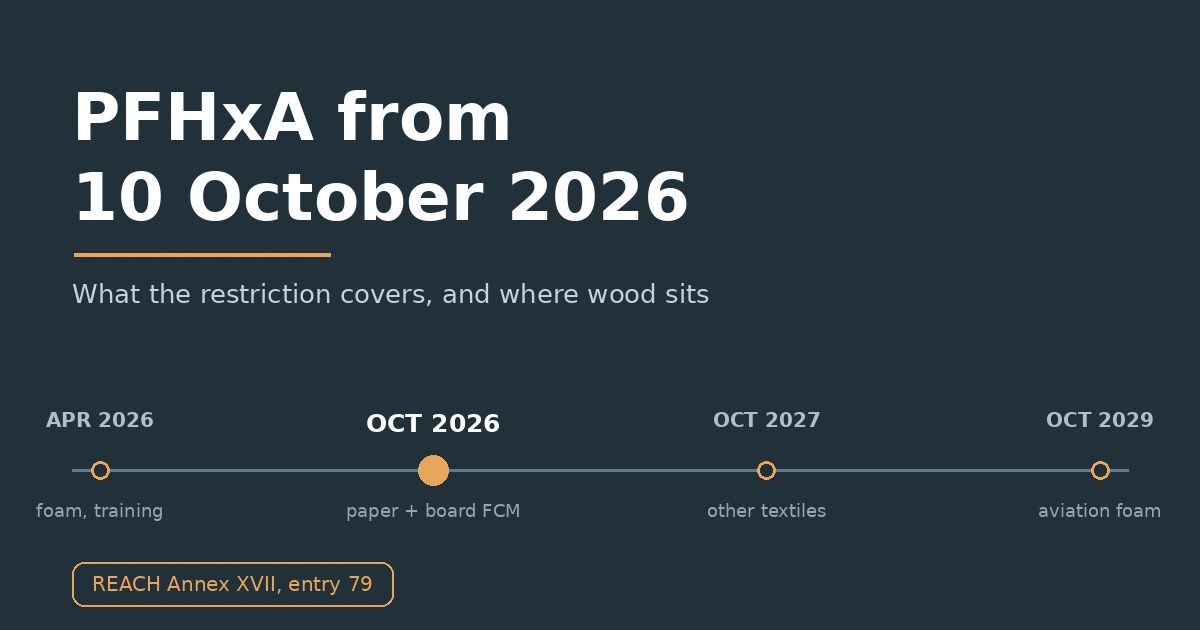
Quick answer: The PFHxA restriction, added to REACH Annex XVII as entry 79 by Regulation (EU) 2024/2462, starts applying to paper and board food contact materials on 10 October 2026. Wooden and bamboo cutlery are not among the restricted categories. The paper and board that travels with the product can be, which is where most of the confusion in buyer questionnaires comes from. The two limits are 25 ppb for PFHxA and its salts and 1,000 ppb for the sum of PFHxA-related substances, measured on the homogeneous material.
What the restriction covers, and from when
Entry 79 does not restrict a material class in the abstract. It names specific product categories and gives each one its own date, which is why a blanket “PFAS deadline” in a supplier questionnaire is usually the wrong question.
| Restricted category | Applies from |
|---|---|
| Firefighting foam for training and testing, and for public fire services | 10 April 2026 |
| Textiles, leather, furs and hides in clothing, and footwear, for the general public | 10 October 2026 |
| Paper and board food contact materials within the scope of Regulation (EC) No 1935/2004 | 10 October 2026 |
| Mixtures for the general public | 10 October 2026 |
| Cosmetic products | 10 October 2026 |
| Textiles, leather, furs and hides in non-clothing products | 10 October 2027 |
| Firefighting foam for civil aviation | 10 October 2029 |
The October 2026 dates are the end of a 24-month transition that started when the regulation entered into force on 10 October 2024. A small number of secondary sources print 11 October 2026 instead. The testing and certification bodies that publish on this restriction converge on 10 October, and the arithmetic supports it, but if a shipment lands within a day or two of the boundary it is worth having your compliance contact confirm the date against the published regulation rather than against a summary page.
The two limits, and what they are measured on
Entry 79 sets two separate thresholds, and buyer questionnaires often quote only the first one.
| Substance group | Limit | As written in the regulation |
|---|---|---|
| PFHxA and its salts | 25 ppb | 0.025 mg/kg |
| PFHxA-related substances, as a sum | 1,000 ppb | 1 mg/kg |
Both limits are measured on the homogeneous material rather than on the assembled finished article. A paper sleeve and the cutlery inside it count as separate materials for this purpose.
That last point decides how a test is scoped and quoted. Asking a lab to test “the product” when the product is a wrapped cutlery kit is ambiguous enough to produce a report that does not answer the buyer’s question.
Where wooden and bamboo cutlery sits
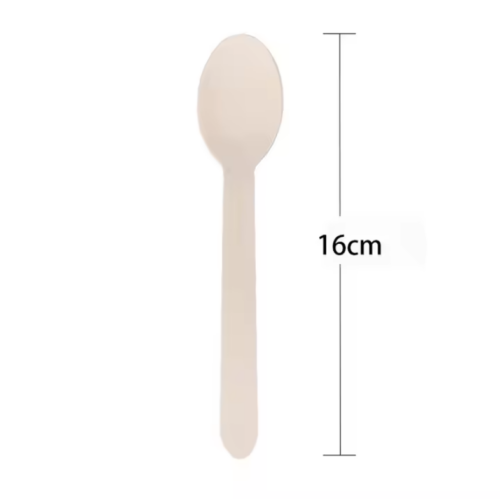
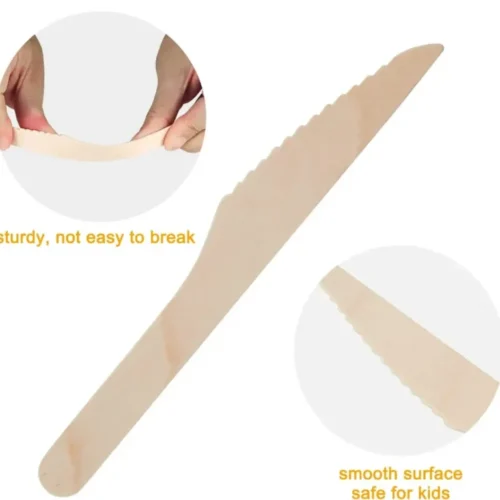
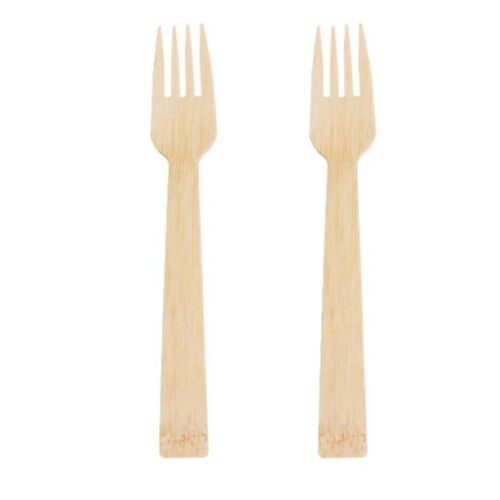
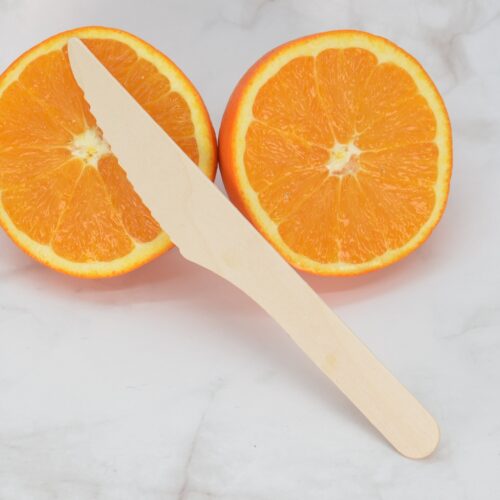
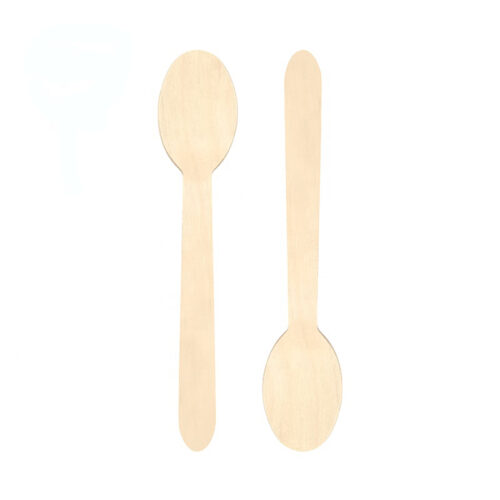
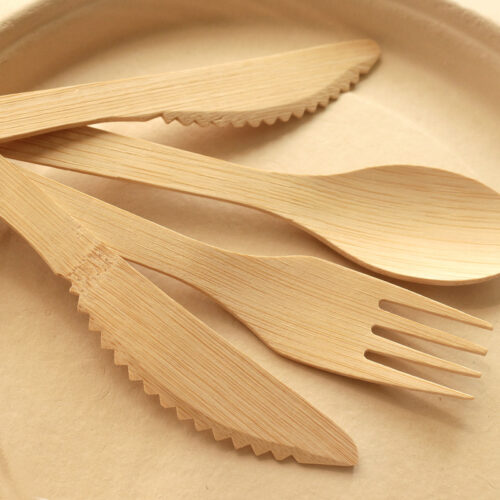
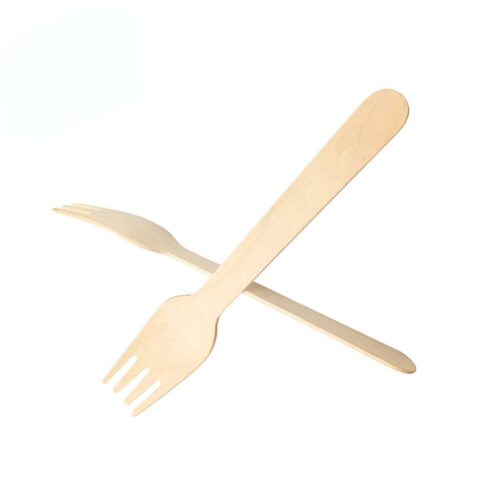
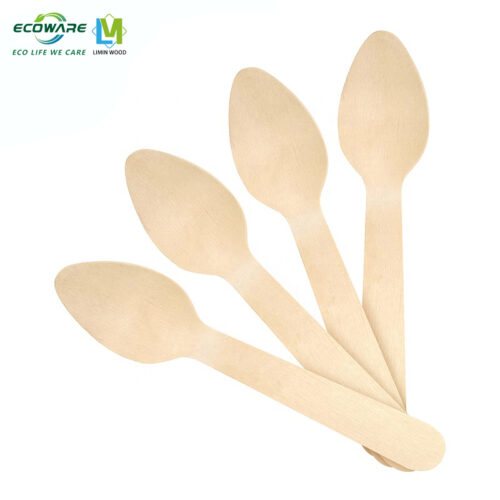
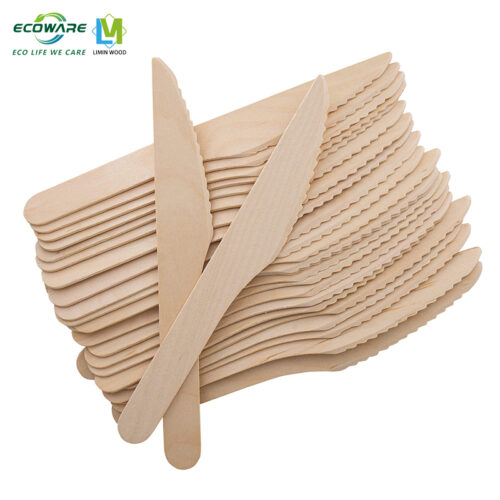
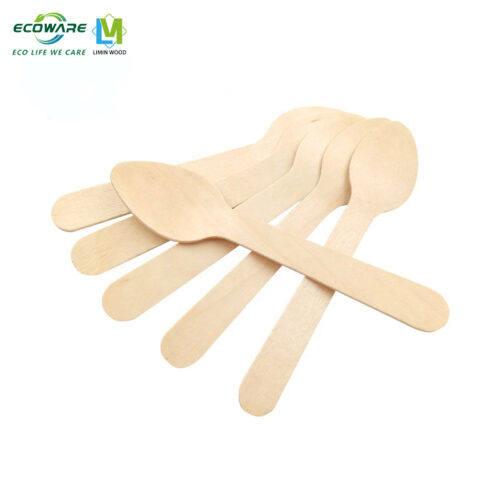
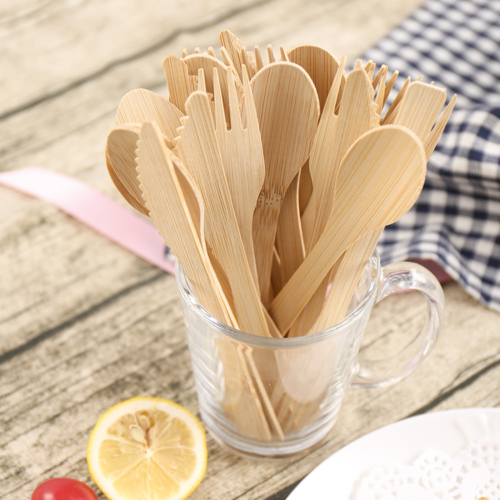
Wooden and bamboo cutlery is not one of the categories entry 79 lists. The list is specific: clothing textiles and footwear, paper and board food contact materials, consumer mixtures, cosmetics, and certain firefighting foams. A birch fork and a bamboo chopstick are none of those.
That is a statement about the regulation’s scope, and it is worth being precise about what it does not mean. It does not mean a given batch has been tested and found clean, and it is not a PFAS-free claim. A supplier telling you the restriction does not name their product is answering a different question from a buyer asking whether a substance is present. Both questions are reasonable. They need different evidence, and only the second one needs a laboratory.
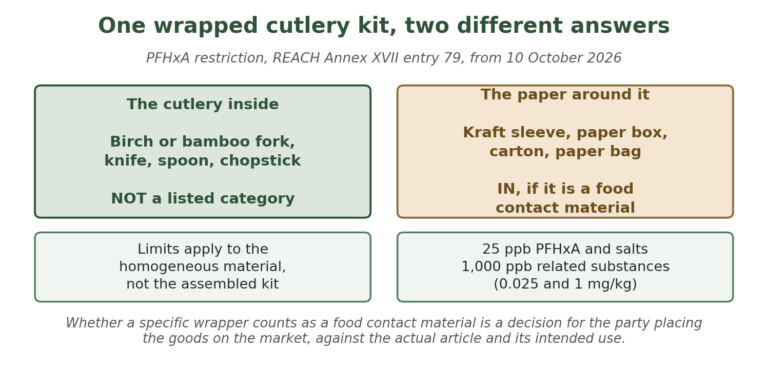
The cutlery is not a listed category. The paper it ships in can be.
The part that catches people out: your paper packaging
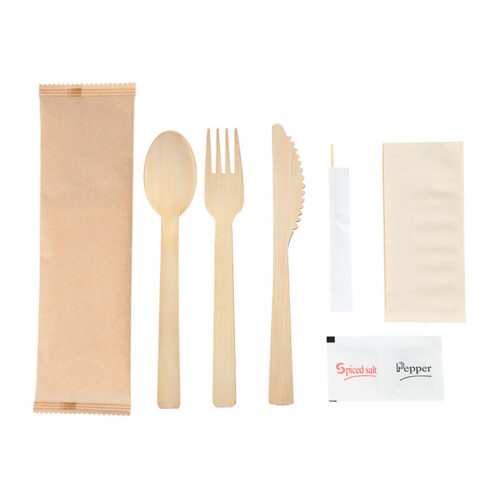
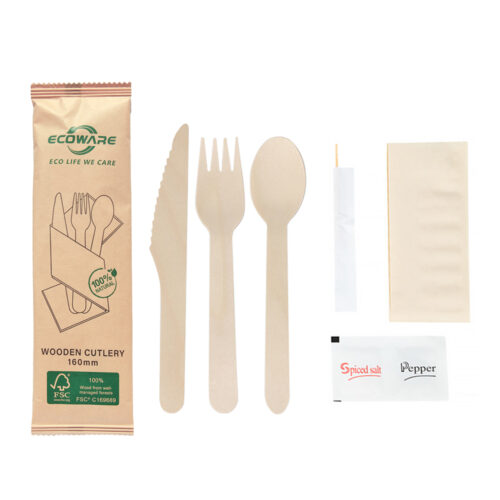
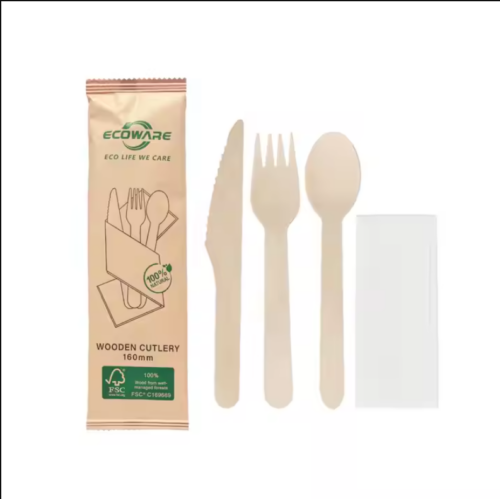
Cutlery is rarely shipped bare. Kraft sleeves around individually wrapped pieces, paper lunch boxes, printed cartons and paper bags all travel with these orders, and paper and board food contact materials are squarely in the 10 October 2026 group even when the cutlery inside them is not.
Whether a specific wrapper counts as a food contact material under Regulation (EC) No 1935/2004 turns on what the article is intended for, and that is a determination for you and your compliance advisor against the actual SKU and its intended use. A supplier page cannot settle it for your catalogue, and any page that tries to should be treated with suspicion. What a supplier can do is tell you exactly which materials are in a given pack format, so the question gets asked about the right components.
How to answer a PFAS-free request so it survives review
The common failure is replying in an email that the products do not contain PFAS. A buyer’s compliance team cannot file a sentence. They need something a third party could check, and when the sentence is all they get, the request comes back with more questions attached.
A usable answer names all of the following, and a report missing any one of them tends to generate another round:
- The laboratory name and the report number.
- The test method, and the specific analytes covered.
- The limit of detection, since “not detected” means nothing without it.
- The date of the report.
- The exact SKU, material and pack component the sample came from.
It is also worth stating in the covering note what the report does not cover. A report on a birch fork says nothing about the kraft sleeve it ships in, and a buyer who discovers that gap themselves will trust the rest of the file less.
PFHxA is one restriction, not the whole PFAS picture
Entry 79 restricts one substance group. It is not the EU’s general position on PFAS, and treating it as though it were leads buyers to ask for the wrong evidence.
A separate and much broader universal PFAS restriction has been working through the REACH process for several years, with ECHA running further consultation during 2026 and the evaluation still unfinished at the time of writing. Nothing in it is in force. Alongside that, a number of US states already restrict intentionally added PFAS in food packaging on their own timetables, which is a different legal system with different evidence expectations. A questionnaire that mixes all three into one PFAS-free box is asking a question that has no single correct answer.
The practical response is to ask which rule the question comes from before answering it. An EU buyer worried about entry 79 needs to know what the paper components are. A US retailer citing a state statute is usually asking about intentionally added PFAS across the pack. Those are answered with different documents.
What this guide does not claim
This page does not determine whether any particular product falls inside or outside the restriction. Scope decisions belong to the party placing the goods on the market, working from the actual article and its intended use.
It also does not state that any Ecoware product is PFAS-free. That claim needs a report number, a method and a detection limit behind it, tied to a specific material, and a supplier page is the wrong place for it. Nothing here is legal advice; where a shipment turns on the answer, the regulation text and a compliance professional outrank this guide and every other summary of it.
Frequently Asked Questions
Does the PFHxA restriction apply to wooden or bamboo cutlery?
Wooden and bamboo cutlery is not one of the categories listed in REACH Annex XVII entry 79. The listed categories are clothing textiles and footwear, paper and board food contact materials, consumer mixtures, cosmetics and certain firefighting foams. That is a scope observation about the regulation, not a test result about a particular batch.
What are the PFHxA limits?
25 ppb (0.025 mg/kg) for PFHxA and its salts, and 1,000 ppb (1 mg/kg) for the sum of PFHxA-related substances. Both are measured on the homogeneous material rather than on the finished assembled article.
Is the paper wrapper around cutlery in scope?
Paper and board food contact materials within the scope of Regulation (EC) No 1935/2004 are in the group that applies from 10 October 2026. Whether a specific wrapper qualifies as a food contact material depends on the article and its intended use, which is a determination for the party placing the goods on the market rather than for a supplier page.
Can a supplier just confirm in writing that a product is PFAS-free?
A written confirmation is not evidence a compliance team can file. What is usable is a test report naming the laboratory, report number, method, analytes, limit of detection, date and the exact SKU or material tested, together with a plain note about what the report does not cover.
Is the date 10 or 11 October 2026?
The bodies that publish technical guidance on this restriction converge on 10 October 2026, which matches a 24-month transition from the 10 October 2024 entry into force. A small number of secondary summaries print 11 October. For a shipment landing on the boundary, confirm against the published regulation rather than a summary.
Related Guides
- EU PPWR & SUP 2026: Disposable Cutlery Compliance Guide. The packaging and single-use plastics rules that reach the same shipments from a different direction.
- EUDR and Wooden Tableware: What EU Buyers Will Ask For. The other EU deadline landing on wooden tableware orders, with a 30 December 2026 start.
- How Long Does Bamboo Cutlery Take to Decompose?. Where compostability certification fits, which is a separate document family from a PFAS test report.
About Ecoware
Ecoware Co., Ltd. sells disposable wooden and bamboo tableware made at its family factory in Shucheng, Anhui province, China (Shucheng Limin Wood Products Co., Ltd., established 2008). The company supplies FSC Chain-of-Custody certified birch and bamboo lines across wooden tableware and bamboo tableware, alongside the food-contact compliance documentation import buyers need before a shipment clears customs.
Regulatory statements in this guide are sourced to the published regulation text and official EU guidance, cited inline. Where sources disagree or a figure could not be independently verified, this guide says so rather than resolving it silently.
Need the test report scoped to the right pack component? Talk to the Ecoware team →
Related Articles
Products in this guide
Related buyer guides
- Is Bamboo Melamine Safe? Bamboo-Melamine vs Solid Bamboo Utensils and the Formaldehyde Question
- Certifications for Disposable Cutlery Suppliers: What FSC, BPI, EN 13432, FDA and LFGB Actually Prove
- PFAS-Free Foodware: What US State Laws Actually Require
- EUDR and Wooden Tableware: What EU Buyers Will Ask For