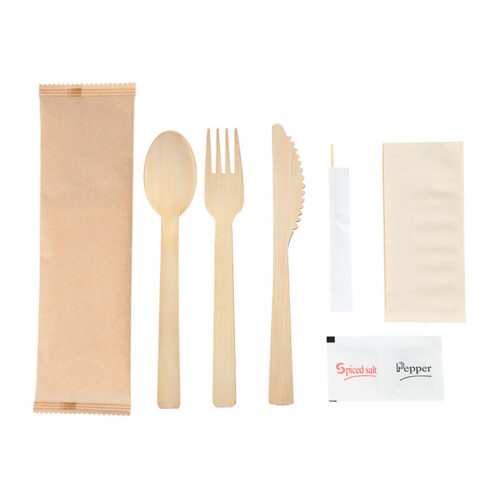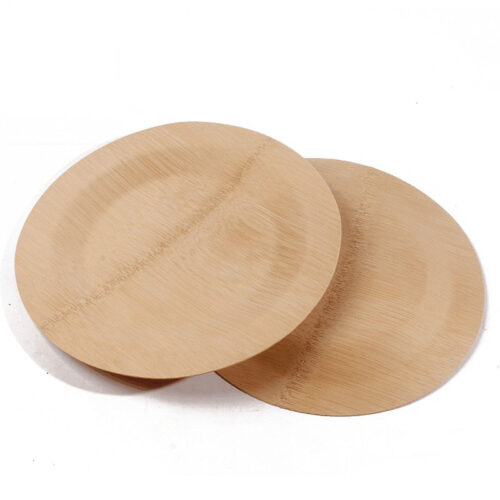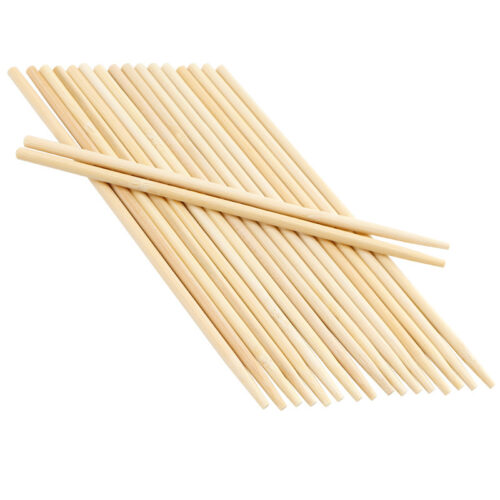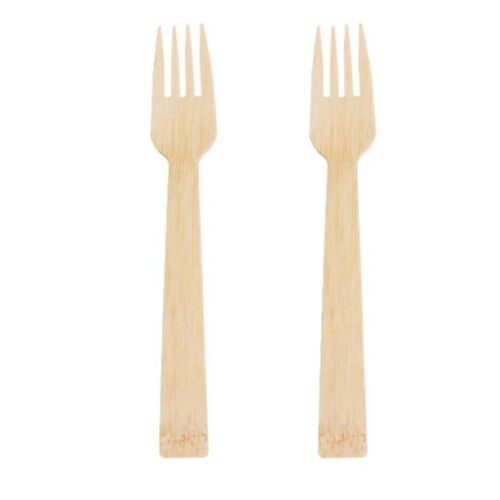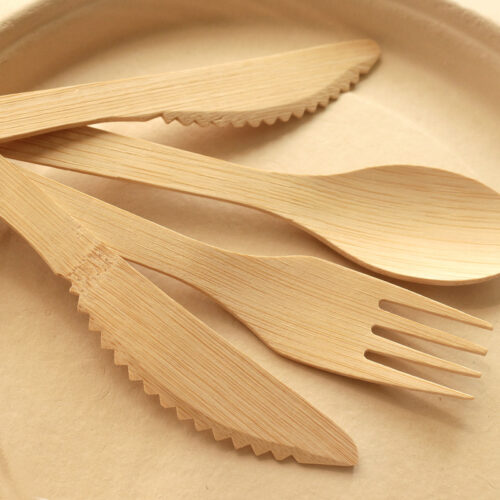
Quick answer: Wooden tableware falls under HS heading 4419, and heading 4419 is listed in Annex I of the EU Deforestation Regulation. Birch cutlery, wooden plates and wooden stirrers are therefore in scope. The obligation starts on 30 December 2026 for large and medium operators and for downstream operators and traders of every size, and on 30 June 2027 for micro-enterprises and natural persons handling the remaining products. Products made only from bamboo sit outside the regulation. An FSC certificate on its own does not answer an EUDR request, which is why so many suppliers are being told their paperwork is not enough.
Is your product in scope?
The test is the customs heading, not the marketing category. Annex I of Regulation (EU) 2023/1115 lists wood commodities by HS heading, and heading 4419 covers tableware and kitchenware of wood. If your product ships under 4419, the regulation reaches it.
| Product | Customs heading | In EUDR scope? |
|---|---|---|
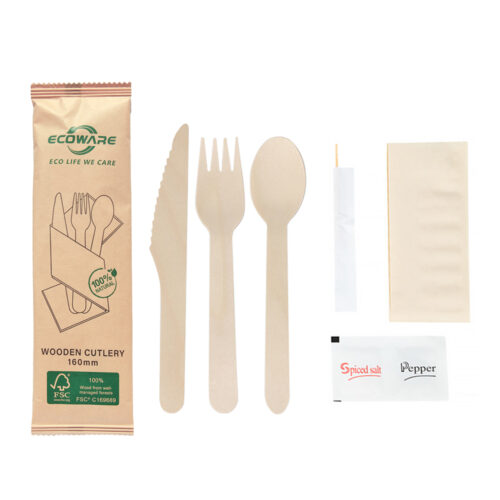
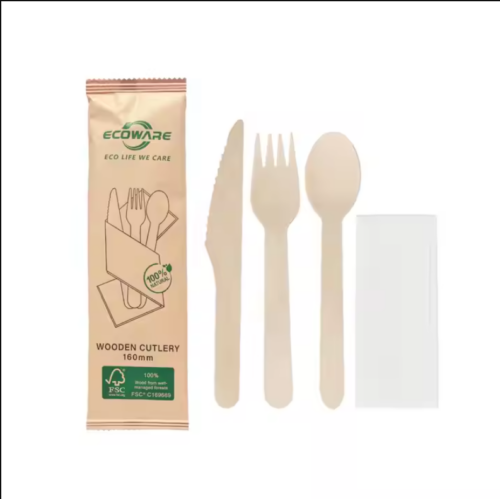
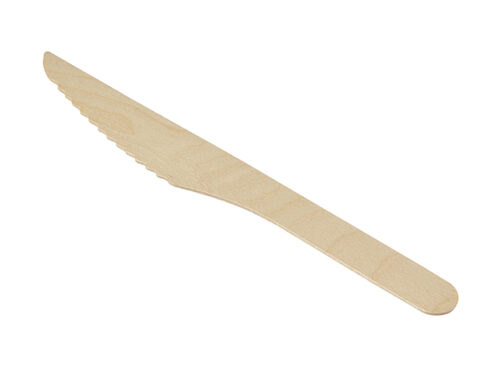
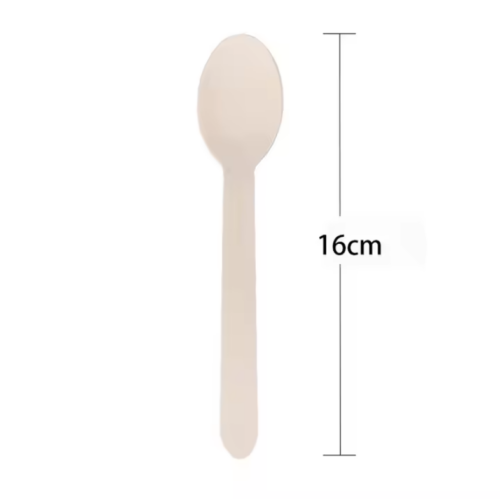
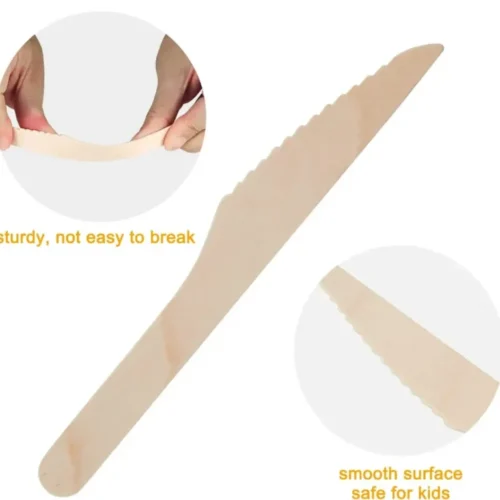
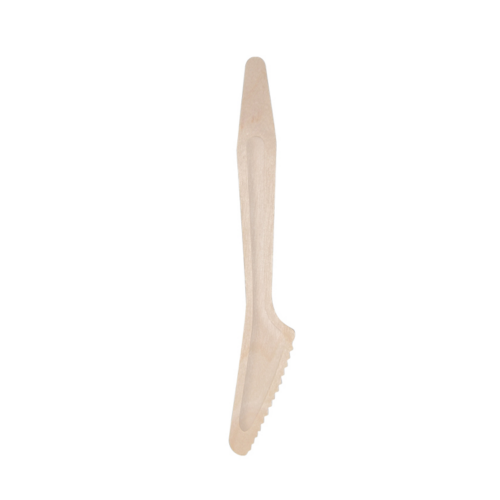
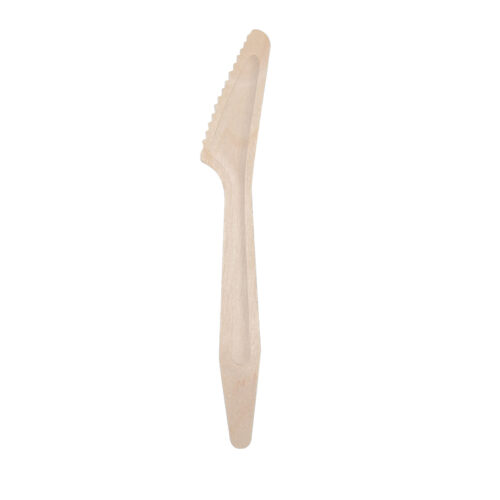
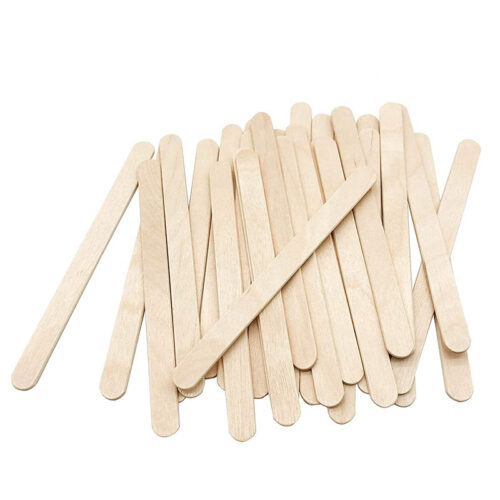
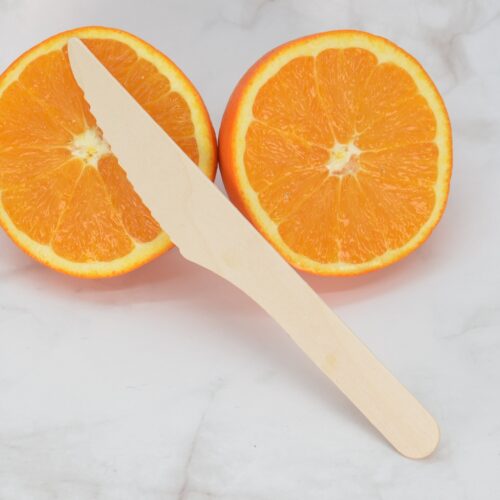
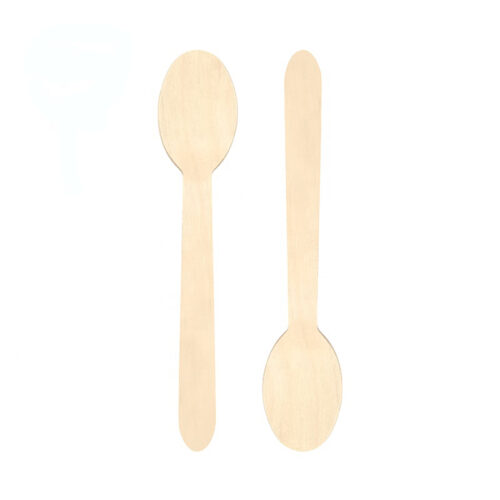
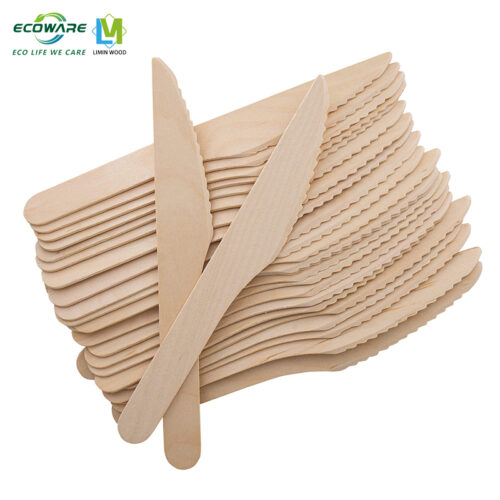
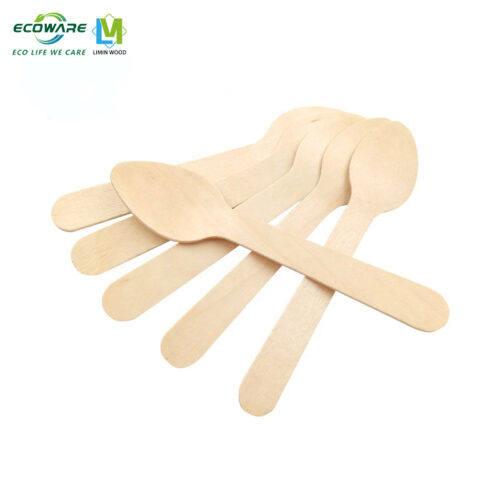
| Birch or other wood cutlery, plates, stirrers, ice cream sticks | 4419.90 | Yes. Annex I lists heading 4419. |
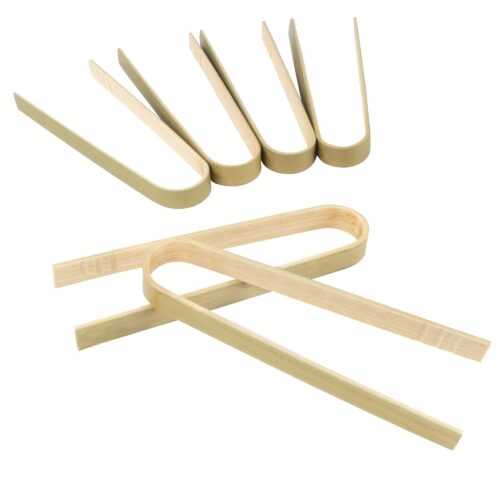
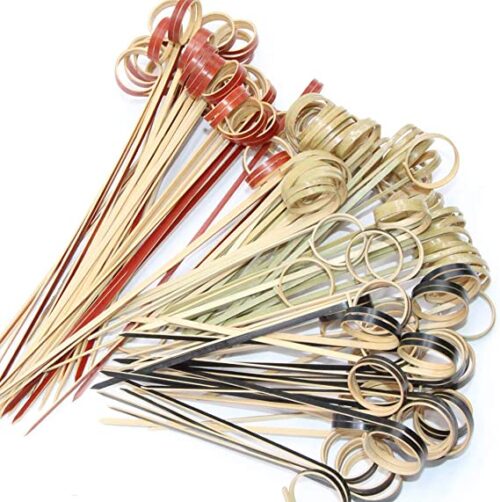
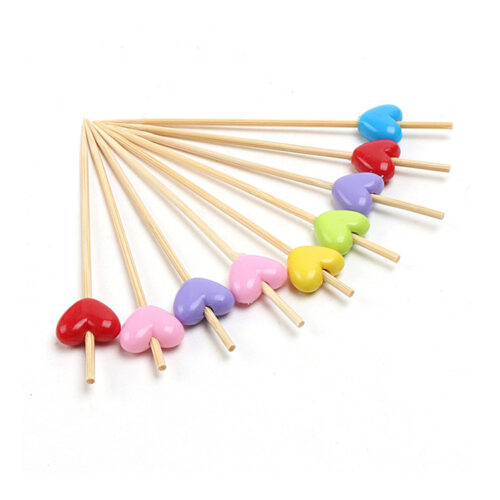
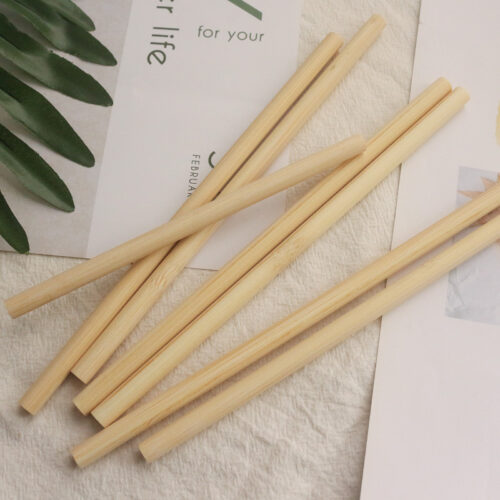
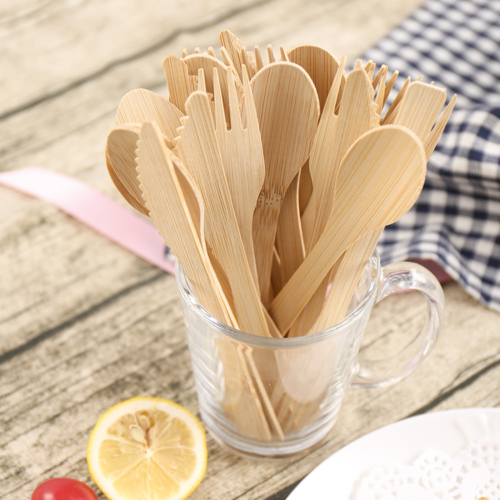
| Products made only from bamboo: chopsticks, skewers, bamboo cutlery | 4419.11 / 4419.12 | No. The Commission’s published EUDR FAQ puts bamboo outside the wood commodity. |
| A set combining wood and bamboo components | Mixed | The wood components carry the obligation. The bamboo components do not. |
| Paper or board packaging travelling with the product | Chapters 47 and 48 | Yes, under a separate Annex I entry, which excludes bamboo-based and recovered material. |
The bamboo position is worth quoting rather than paraphrasing, because a lot of supplier pages state it without support. The EU’s published EUDR FAQ says that “Products made solely from bamboo are not in scope of the EUDR”, on the basis that “bamboo is a non-wood forest product”. That wording matters: it turns on what bamboo is, not on which heading it ships under, and it applies to products made solely from bamboo. A bamboo handle riveted to a birch head is not a bamboo-only product.
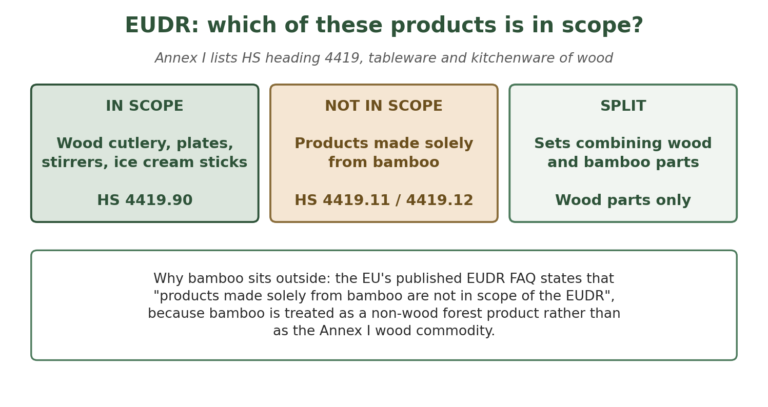
Wooden tableware is in EUDR scope under HS 4419; products made solely from bamboo are not.
The three conditions in Article 3
Article 3 sets three conditions, and a product has to satisfy all three at once. It is not a menu.
- The product is deforestation-free.
- It was produced in accordance with the relevant legislation of the country of production.
- It is covered by a due diligence statement indicating no more than a negligible risk of non-compliance.
“Deforestation-free” carries a specific date. The regulation defines it as commodities produced on land that has not been converted from forest after 31 December 2020, and for wood it adds that the material must have been harvested without inducing forest degradation after that same date. Two things follow from this that catch suppliers out. The cut-off is a fixed calendar date rather than a rolling window, so a plot cleared in 2019 does not disqualify material while one cleared in 2021 does. And the test covers legal deforestation as well as illegal, which is the main way EUDR differs from the older EU Timber Regulation it builds on. A perfectly lawful land conversion in 2022 still fails the test.
The dates that apply after the 2025 amendment
Regulation (EU) 2025/2650 postponed the regulation and rewrote parts of its structure, so any timeline published before December 2025 is out of date. These are the dates now in force.
| Who | Obligation starts |
|---|---|
| Large and medium operators | 30 December 2026 |
| Downstream operators and traders, all sizes | 30 December 2026 |
| Micro and small enterprises, for products already covered by the old EUTR (Regulation 995/2010) | 30 December 2026 |
| Natural persons and micro-enterprises, for the remaining EUDR products | 30 June 2027 |
For a Chinese factory shipping wooden tableware to EU customers, the date that governs your order book is 30 December 2026, because your customers are almost all in the first three rows.
Who files the due diligence statement, you or your customer?
Your customer files it, and that is precisely why the request reaches you. Regulation (EU) 2025/2650 created a downstream operator category, defined as a person who places on the market or exports regulated products made from regulated materials. The operator who first places the goods on the EU market submits one due diligence statement. Downstream operators and traders then collect and keep the reference number of that statement rather than filing their own, and everyone in the chain retains supplier and recipient records for five years.
The practical consequence is easy to miss. Your EU importer carries the filing obligation, but they cannot describe wood they never saw growing. The origin data has to travel up the chain from the forest, through your log supplier, to you, and then to them. When a buyer sends a spreadsheet asking for harvest coordinates, they are not adding a private requirement on top of the law. They are collecting the fields their own statement will not submit without.
China is a low-risk country. Your buyer will still ask for coordinates.
Under the EU’s country benchmarking, China is classified as low risk. That is genuinely good news, and it is routinely oversold in both directions, so it is worth being exact about what it changes.
Low risk means the operator may apply simplified due diligence: the formal risk assessment and risk mitigation steps fall away. Enforcement pressure is also lighter, with member states required to check 1% of operators for low-risk origins against 3% for standard risk and 9% for high risk. What low risk does not do is remove the paperwork. The operator still collects geolocation for the plots, product and quantity detail, supplier information and evidence of legal harvest, and still files the due diligence statement.
There is a second reason the requests keep coming, and it is specific to this industry rather than general. China is a large importer of timber from countries in the high-risk tier, and birch in particular has supply routes that run through them. Where mixing with non-low-risk material is suspected, the consignment loses the simplified treatment and reverts to full due diligence. An EU buyer asking a Chinese birch supplier for harvest coordinates is usually not ignoring the low-risk classification. They are protecting it, because the classification only holds as long as the material behind it can be shown to be what it claims to be.
The data your EU customer will ask for
These are the fields that show up in EUDR wooden tableware questionnaires, and the format each one needs to be usable. Sending the right information in the wrong shape creates a second round of emails, so the format column matters as much as the field.
| Data element | What it means | Format that works |
|---|---|---|
| Geolocation of the plot | Where the wood was harvested | Latitude and longitude to six decimal digits. A plot over 4 hectares needs a polygon of several points; a plot of 4 hectares or less can be a single point. |
| Country and region of harvest | The producing country whose law applies to the legality test | Country plus the administrative region, matching the geolocation |
| Species | Which tree the material came from | Common name and full scientific name, for example birch / Betula pendula |
| Harvest date or period | When the wood was cut | A date or a bounded date range, not a shipment date |
| Product description and customs code | The link between the material and the shipment | Product name, specification and the confirmed customs heading |
| Legality evidence | Documents showing the harvest complied with the producing country’s law | Harvest permits, land tenure or use rights, applicable tax and trade documents |
| Batch linkage | How this shipment connects back to that material | Batch or lot numbers tying raw material records to the export shipment |
The geolocation format is not a preference invented by a buyer. The EU’s own EUDR FAQ specifies latitude and longitude points of six decimal digits, and sets the four-hectare line between a polygon and a single point. A coordinate rounded to three decimals, or a village name in place of coordinates, will fail on the way into the information system.
Why an FSC certificate is not an EUDR answer
An FSC chain of custody certificate proves that a certified material flow passed through audited sites under a defined control system. EUDR asks a different question: where exactly did this specific wood come from, was the harvest legal under that country’s law, and was the land deforested or degraded after 31 December 2020.
Certification can support parts of that file. It carries weight in a risk assessment, and it usually comes with species and origin information that saves time. What it does not carry is the plot-level coordinate set the regulation asks for, and no version of the certificate converts into one. A buyer who says “we have your FSC certificate and it is still not enough” is reading the regulation correctly rather than being difficult.
What Ecoware can supply today, and what is still being built
Being straight about this is more useful than a compliance claim. Ecoware can supply FSC 100% chain of custody documentation for the certified birch lines, the species and producing country, product specifications matched to the confirmed customs heading, and the food contact document set that usually travels alongside an EUDR request.
Plot-level geolocation is a different kind of task. It is a traceability project that runs back through log suppliers to specific harvest areas, not a document that can be printed on request, and any supplier promising complete plot coordinates by return email before they have mapped their own log supply is describing an ambition rather than a record. If a 2026 shipment depends on a specific field, the useful move is to name that field now and let the supply chain work backwards toward it, rather than discovering the gap in December.
Frequently Asked Questions
Is bamboo cutlery covered by EUDR?
No, when the product is made solely from bamboo. The EU’s published EUDR FAQ states that products made solely from bamboo are not in scope, because bamboo is treated as a non-wood forest product rather than as the wood commodity in Annex I. A product that mixes bamboo and wood is different: the wood components still carry the obligation.
Does an FSC certificate make a product EUDR compliant?
No. FSC chain of custody supports a risk assessment and usually supplies species and origin detail, but it does not contain the plot-level geolocation EUDR asks for, and the regulation does not accept a certificate in place of due diligence.
Who has to submit the due diligence statement, the factory or the importer?
The operator placing the goods on the EU market submits it, which for an export order is normally the EU importer. After Regulation (EU) 2025/2650, downstream operators and traders keep the reference number of that statement instead of filing their own. The supplier’s role is providing the origin data the statement depends on.
What geolocation format does EUDR require?
Latitude and longitude to six decimal digits. Plots larger than 4 hectares must be described with a polygon of multiple points; plots of 4 hectares or less can use a polygon or a single point.
Is China a low-risk country under EUDR, and does that remove the paperwork?
China is classified as low risk under the EU’s country benchmarking. That allows simplified due diligence, which drops the formal risk assessment and mitigation steps, and it lowers the enforcement check rate to 1% of operators. It does not remove the need to collect geolocation, product and supplier detail and evidence of legal harvest, or to file the due diligence statement.
What is the EUDR cut-off date?
31 December 2020. Material must come from land not converted from forest after that date, and for wood it must also have been harvested without causing forest degradation after that date. The test applies to legal deforestation as well as illegal, which is the main difference from the earlier EU Timber Regulation.
What happens on 30 December 2026 if the origin data is missing?
The EU customer cannot complete the due diligence statement the placing of goods depends on. The practical effect lands on the order rather than on the factory: shipments that cannot be covered by a statement do not clear the way they used to. That is why buyers are collecting data now rather than in December.
Related Guides
- EU PPWR & SUP 2026: Disposable Cutlery Compliance Guide. The separate EU packaging and single-use plastics rules that apply to the same shipments.
- Does Wooden Tableware Need an ISPM 15 Certificate?. The other wood regulation buyers routinely mix up with this one, and why it targets pallets rather than the product.
- Bamboo vs Birchwood Cutlery: Cost, UX & Physics Explained. Material-level comparison, for when the scope difference above changes which line you quote.
- PFHxA Restriction 2026: Does It Cover Wooden Cutlery?. The other EU deadline on the same shipments, with a 10 October 2026 start and a different scope boundary.
About Ecoware
Ecoware Co., Ltd. sells disposable wooden and bamboo tableware made at its family factory in Shucheng, Anhui province, China (Shucheng Limin Wood Products Co., Ltd., established 2008). The company supplies FSC Chain-of-Custody certified birch and bamboo lines across wooden tableware and bamboo tableware, alongside the food-contact compliance documentation import buyers need before a shipment clears customs.
Regulatory statements in this guide are sourced to the published regulation text and official EU guidance, cited inline. Where sources disagree or a figure could not be independently verified, this guide says so rather than resolving it silently.
Need a specific EUDR data field for a 2026 order? Talk to the Ecoware team →
Related Articles
- PFHxA Restriction 2026: Does It Cover Wooden Cutlery?
- How to Identify Non-Toxic Wooden Tableware
- Is Your Wooden Tableware Safe? A Guide to Choosing Non-Toxic, Eco-Friendly Options
- Wholesale Wooden Tableware Sets for Restaurants & Events – Eco-Friendly and Customizable
- Certifications for Disposable Cutlery Suppliers: What FSC, BPI, EN 13432, FDA and LFGB Actually Prove
- Browse all articles & products →