The Core Difference: It’s Not Just Material, It’s Physics
Most blogs tell you bamboo is grass and birch is wood. You already know that. What matters is how they are made. This determines everything from the price on your invoice to the feeling in your mouth.
Birchwood: The Veneer Peeling Process
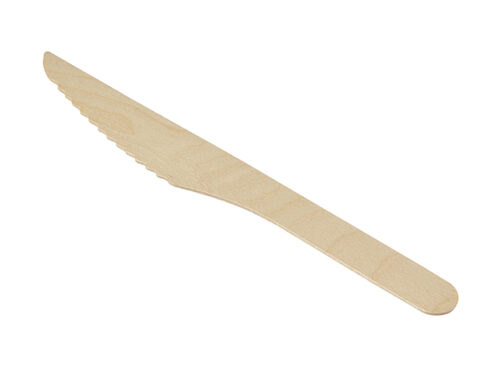
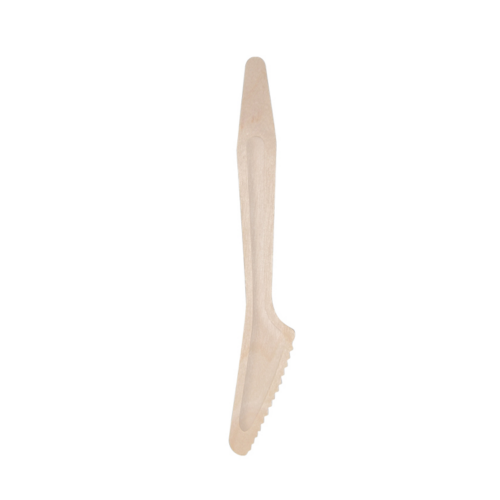
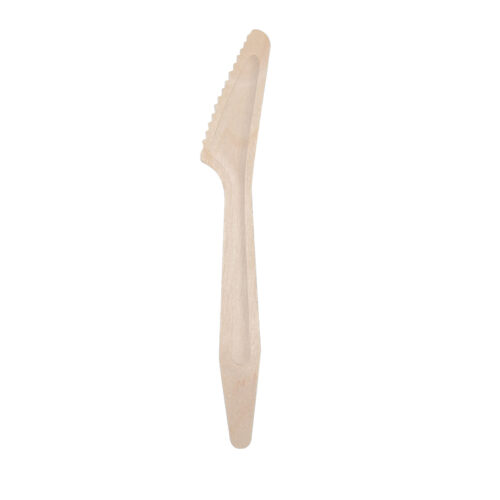
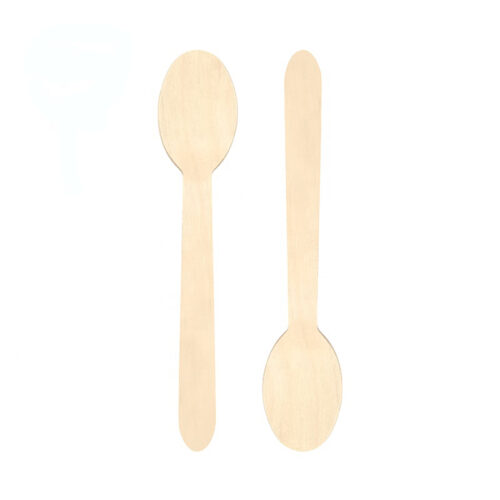
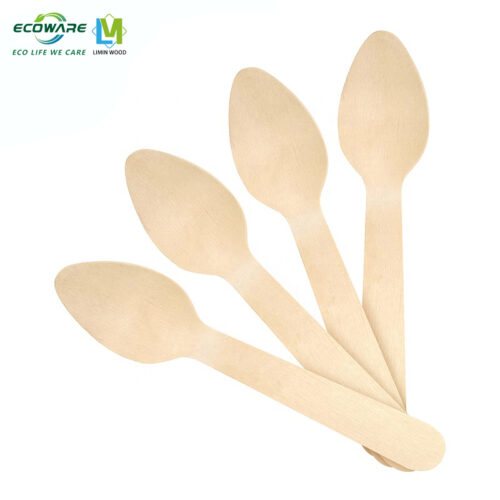
Think of a pencil sharpener. That is essentially how we process birch logs. We rotate the log and peel off a long, continuous sheet of wood veneer, usually 1.2mm to 1.6mm thick. This sheet is then stamped into shapes and heat-pressed.
It is fast. It is efficient.
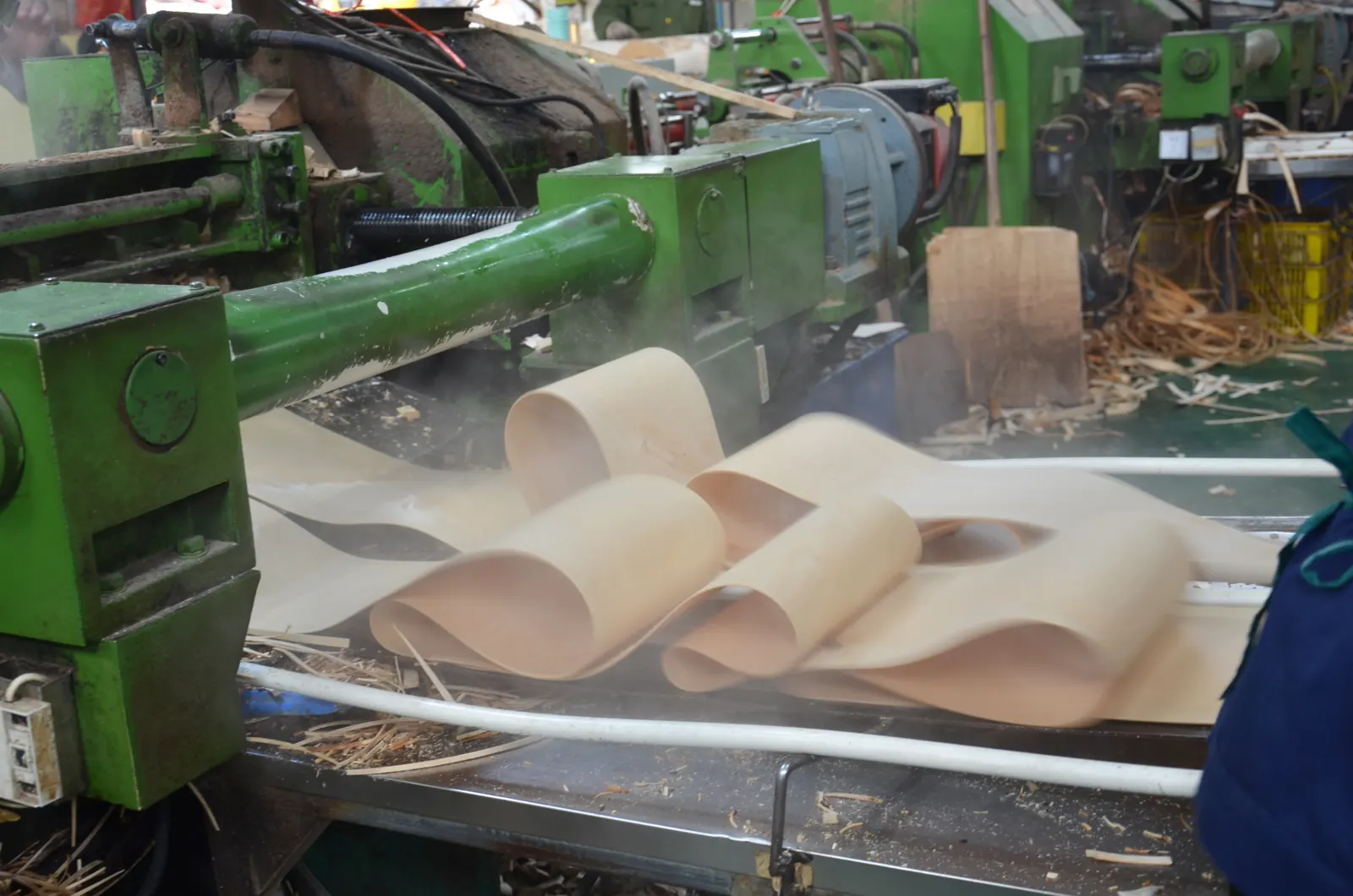
The rotary peeling process allows for high-volume, low-waste production.
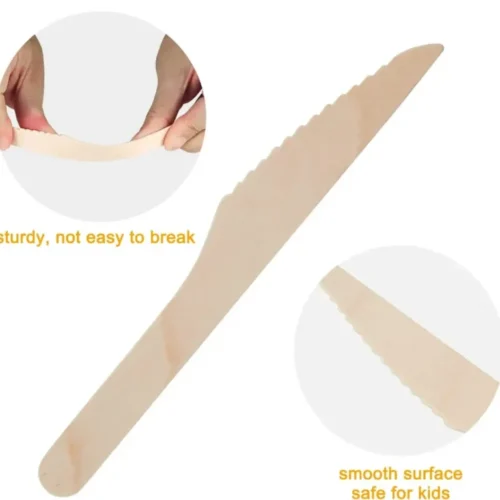
However, because it is a single layer of wood grain, it has directional weakness. If you press it too hard, it cracks along the grain.
Bamboo: The Fiber Molding & Carving
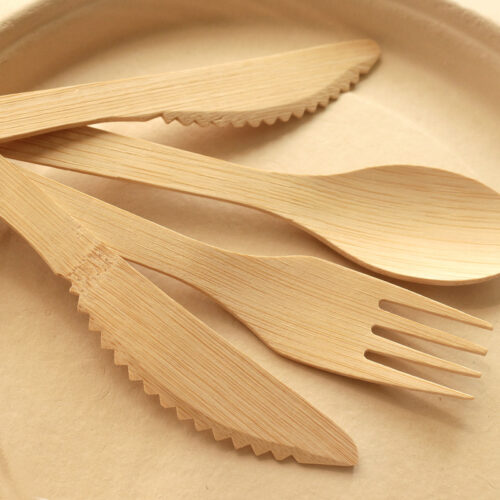
Bamboo is different. It is extremely dense. We don’t peel it; we split it, carbonize it, and often carve it or mold it under much higher pressure. The fibers in bamboo are interlocked, giving it tensile strength that rivals steel in some metrics [Source: 2026 Material Science Journal].
The “Spoon Depth” Dilemma: A Manufacturing Secret
This is the section your competitors aren’t reading. This is the Information Gap.
Why are most wooden spoons so annoyingly flat?
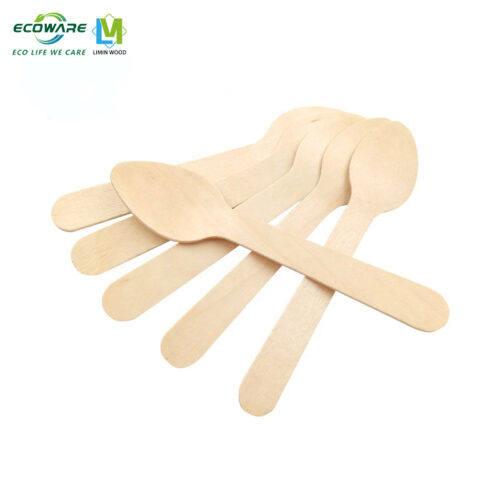
It comes down to Tensile Limit. When we heat-press birch veneer, we are stretching the wood fibers to create the “bowl” of the spoon.
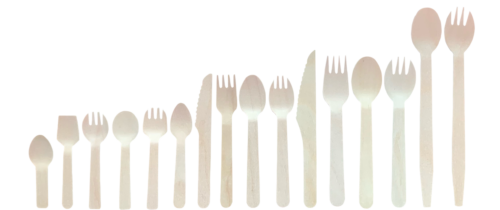
- Birchwood Limit: The maximum safe depth is usually 5mm to 7mm. Go deeper, and the tension snaps the wood grain during pressing.
- The Result: A spoon that is great for rice, but terrible for soup.
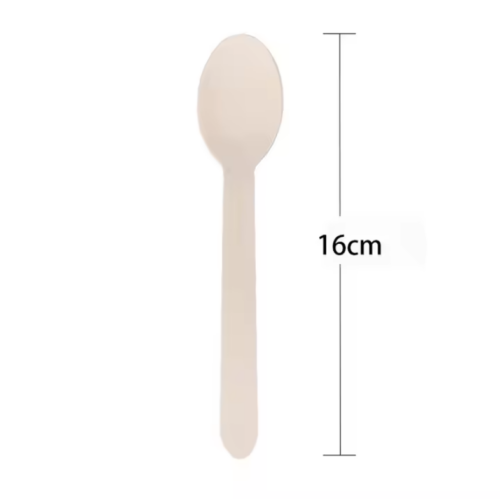
Bamboo breaks this rule. Because bamboo fibers are more flexible and the manufacturing process often involves carving or advanced molding, we can achieve bowl depths of 10mm to 12mm.
At our East China facility, we recently upgraded our bamboo molding lines to achieve a “Metal-Like” curve. If your client serves ramen, chili, or heavy stews, birchwood will fail them. Bamboo won’t.
🍴 Cutlery Matchmaker: Find Your Perfect Batch
Calculate cost-efficiency and suitability for your 2026 procurement.
🏆 Recommended Material:
🌍 Eco Impact: By switching this volume, you divert approx. 0 kg of plastic waste per month.
💬 My Unfiltered Opinion: The Soup TestLet’s be brutally honest. If you send a standard birchwood spoon to a hospital or a nursing home where people need to eat soup easily, you are going to get complaints. Birchwood is for solids. Bamboo is for liquids. Stop trying to force a flat wooden spoon to do a soup spoon’s job. It’s not about the quality of the wood; it’s about the physics of the grain.
Mouthfeel: Solving the “Woody” Aftertaste
In 2025, consumer surveys showed that “texture” was the #1 barrier to adopting sustainable cutlery [Source: 2025 Global Packaging Consumer Report].
The problem: Uncoated wood absorbs moisture from the tongue. It feels dry. It triggers a “gag reflex” for some sensitive users.
The Solution:
- Standard Birch: Often uncoated. Cost-effective, but rough.
- EcoWareTech Premium Birch: We apply a food-grade, 100% natural Carnauba Wax.
- Bamboo: Naturally smoother due to tighter grain density, often polished to a shine without needing heavy coatings.
2026 Cost Analysis: The FOB Reality
Here is where the rubber meets the road. Bamboo is premium. There is no way around it. In 2026, raw bamboo prices in China have stabilized, but birch timber has seen volatility.
The Price Gap: Generally, Bamboo cutlery is 2.5x to 3x the price of Birchwood cutlery on an FOB basis.
💬 My Unfiltered Opinion: The Budget RealityI love bamboo. It’s sleek, it’s strong, and it feels like luxury. But does a customer eating a $4.00 box of french fries need a luxury bamboo fork? No. Over-specifying is the most common mistake I see new buyers make. Unless you are serving a steak that actually needs cutting force, or selling a meal over $15.00, stick to high-quality Birchwood. It gets the job done without destroying your margins.
The Final Verdict: Which One Should You Import?
We have summarized the decision matrix below to help you finalize your 2026 RFP.
| Feature | Birchwood (EcoWareTech Standard) | Bamboo (EcoWareTech Premium) |
|---|---|---|
| Best For | Fast Food, Takeout, Gelato, Events | Dine-in, Catering, Steaks, Soups |
| Cost Index (FOB) | 💲 (Low) | 💲💲💲 (High) |
| Bowl Depth | Shallow (~5mm) | Deep (10mm+) |
| Heat Tolerance | Good (85°C) | Excellent (100°C+) |
| Mouthfeel | Natural (Can be waxed) | Silky / Polished |
| Supply Chain | Volatile (Europe impact) | Stable (China Local Source) |
Ready to Test the Difference?
Don’t risk a 40HQ container on a guess. Get our 2026 Procurement Kit, including standard & waxed birchwood, plus our deep-bowl bamboo series.
Still Unsure Which Material Fits Your Brand?
Request a free “Mixed Material” Sample Kit from EcoWareTech:
- 50 pieces birchwood (Standard + Premium wax-coated)
- 50 pieces bamboo (Premium carved + polished)
- Side-by-side comparison guide with material spec sheets
- Includes caliper to measure the “spoon depth difference” yourself
Contact: office@liminwood.com | WhatsApp: +86 18756900204
About EcoWareTech: Ecoware sells the output of its family factory in Shucheng County, Anhui (in production since 2008) and has supplied 400+ buyers in 50+ countries. Our FSC-certified products are trusted by European retailers, North American QSR chains, and premium Asian hospitality brands.
Last updated: January 2026 | All pricing, certifications, and technical data verified as of publication date.
Related Articles
- Bamboo Tableware: The Eco-Friendly Alternative for Stylish Dining
- What is the Difference Between Wooden and Bamboo Cutlery?
- Adhesive-free technology: Reshaping the future of the bamboo tableware industry
- Wooden Cutlery Manufacturers in China: How to Vet a Factory (2026)
- Browse all articles & products →
Products in this guide
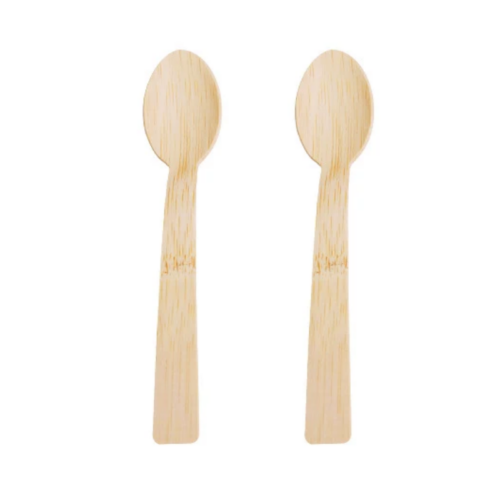 Disposable Bamboo Spoon 6.7 Inch
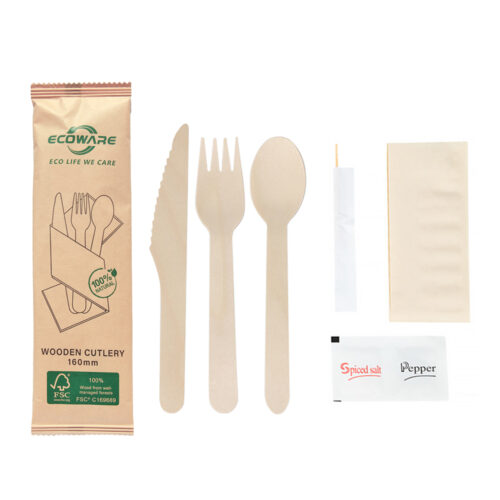
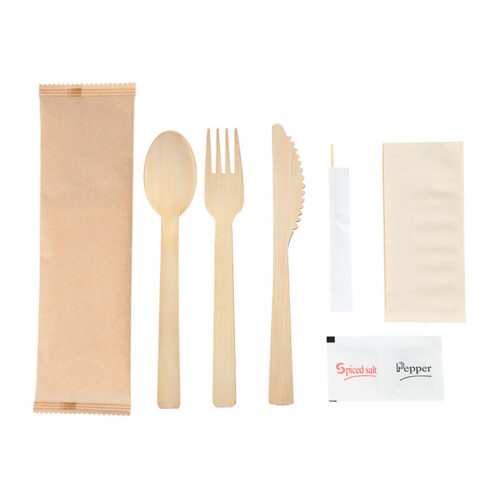 6 in 1 Wrapped Disposable Bamboo Cutlery Set
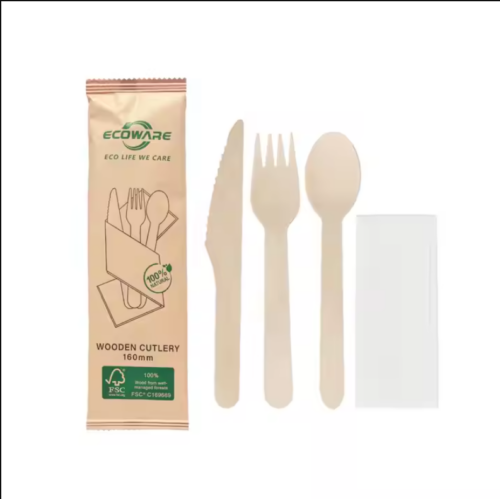
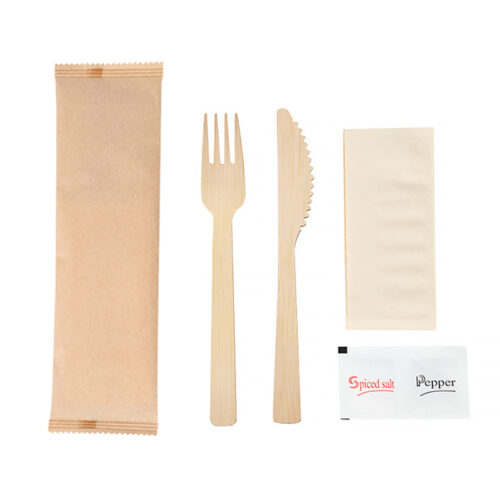 5 in 1 Bamboo Cutlery Set (knife + fork + salt + pepper + napkin)
See all Disposable Bamboo Cutlery Set → Request free samples →
Related buyer guides
- Biodegradable vs Compostable Cutlery: What Each Label Means and Which One Your Market Accepts
- Wooden Cutlery HS Code (4419) and Import Duty from China: A Landed-Cost Walkthrough
- Trading Company vs Manufacturer: How to Tell Who You’re Really Buying Cutlery From
- Home Compostable vs Industrial Compostable Cutlery: The Label Buyers Keep Mixing Up