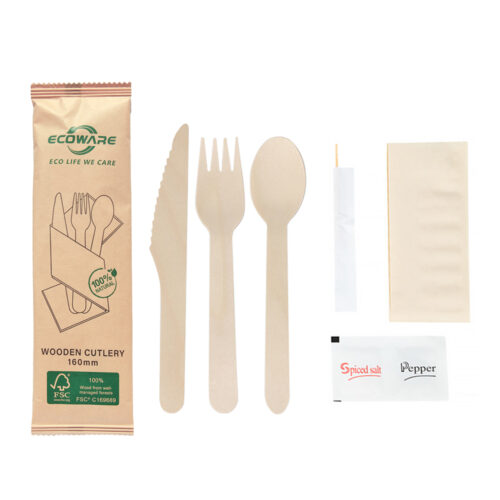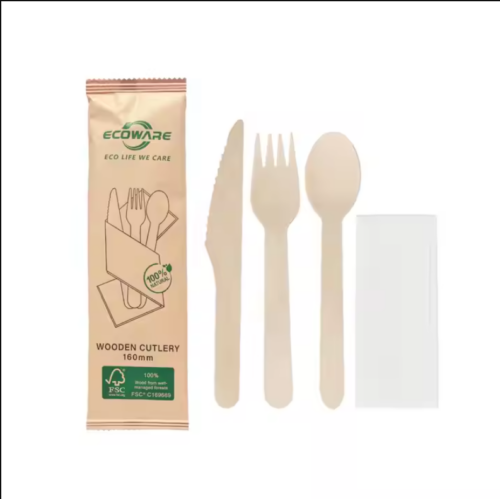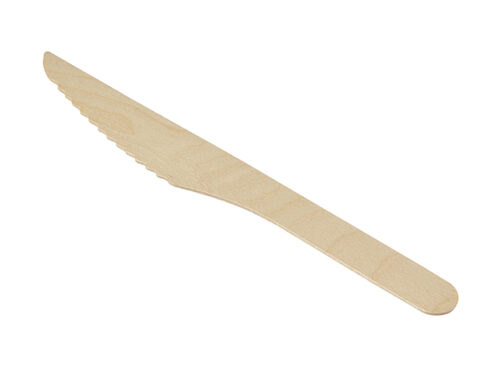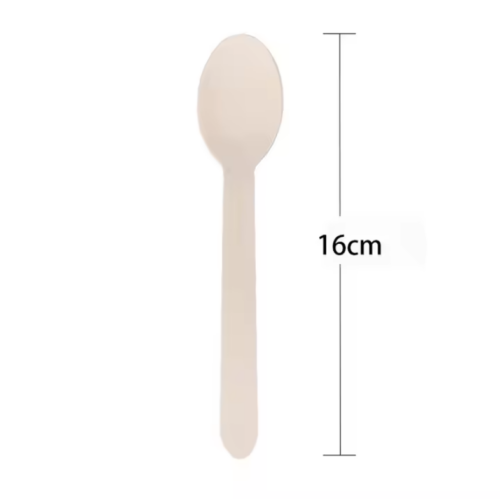
Quick answer: ISPM 15, the international standard behind the heat-treatment stamp on shipping pallets and crates, is written to cover wood packaging material, not finished wood products sold as the goods themselves. Wooden forks, chopsticks and plates are the cargo, not the packaging, so they fall outside what the standard itself regulates. That said, individual countries can layer on their own import rules beyond ISPM 15, so this is not a blanket exemption for every shipment. If a shipment gets flagged, the first thing worth checking is the pallets or crates it traveled on, then confirming directly with the destination country’s plant-health authority or your customs broker.
What ISPM 15 Regulates
The standard itself defines the regulated article by function: material that “secures, protects or assists in the movement of a cargo or commodity.” That single test sorts most of the confusion out.
| Shipped as | Covered by ISPM 15? | What this means |
|---|---|---|
| Wood pallets, crates, packing cases, dunnage | Yes | Must be heat treated or fumigated and carry the official ISPM 15 stamp before crossing a border. |
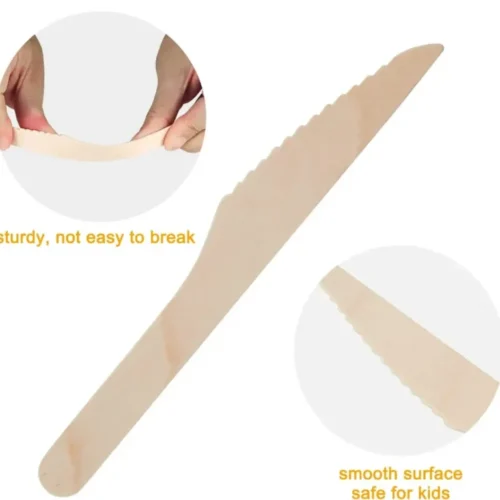
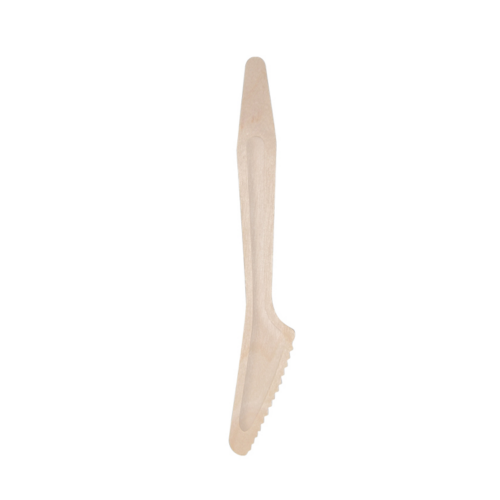
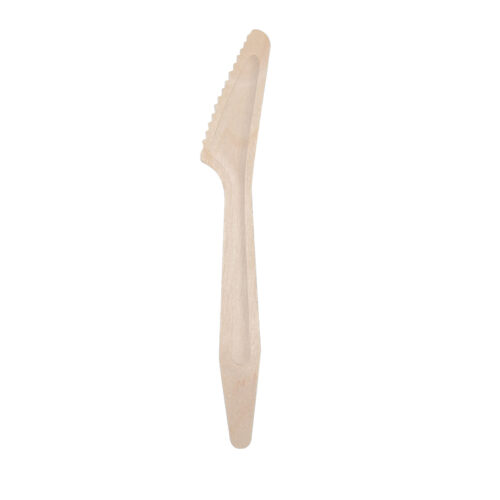
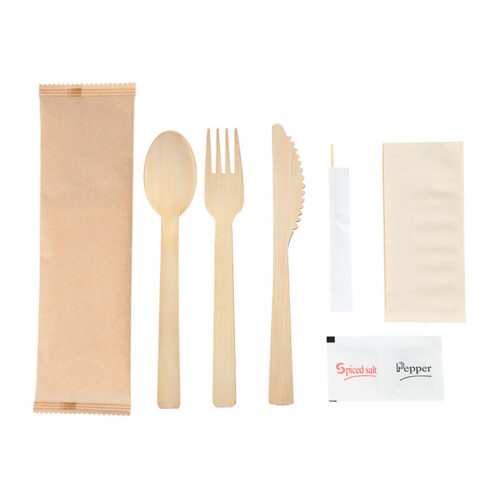
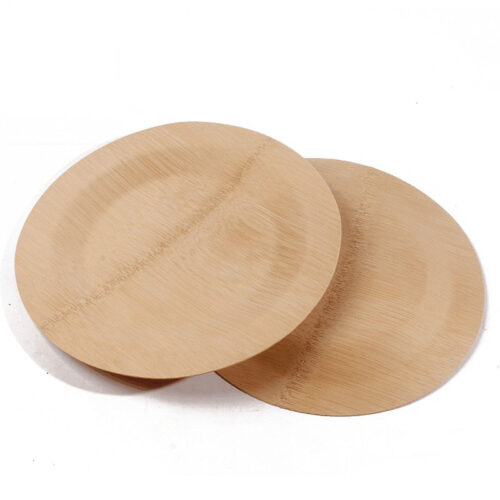
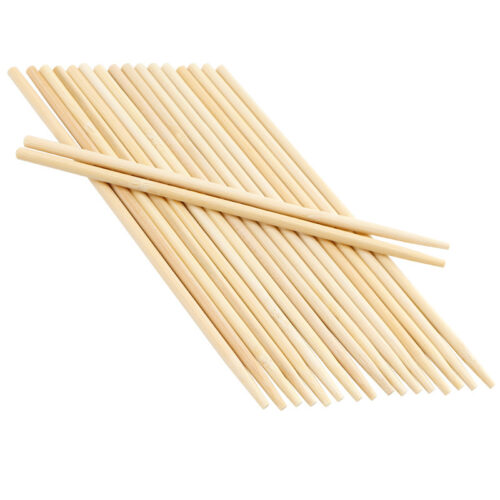
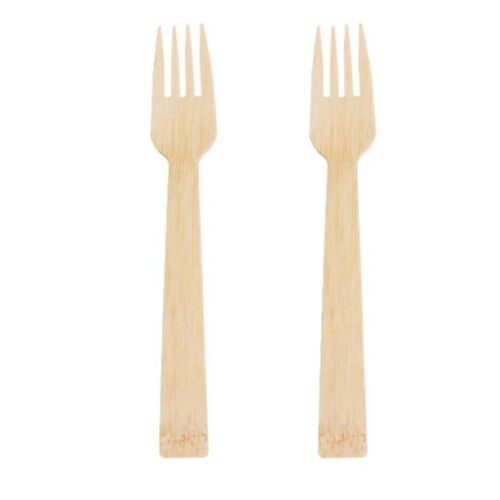
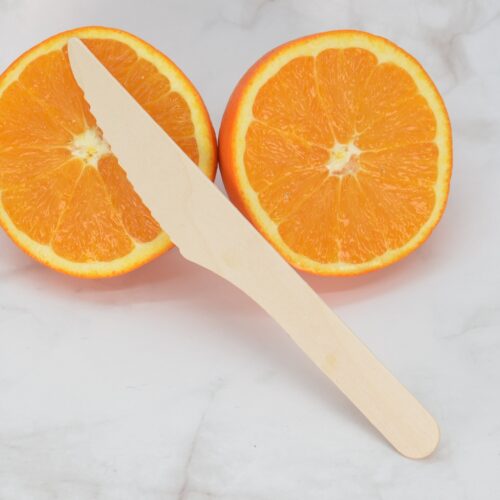
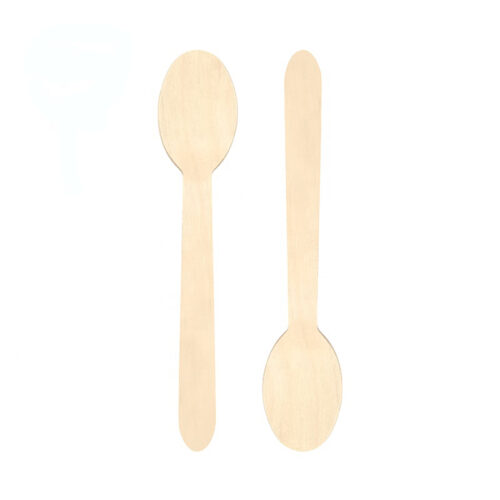
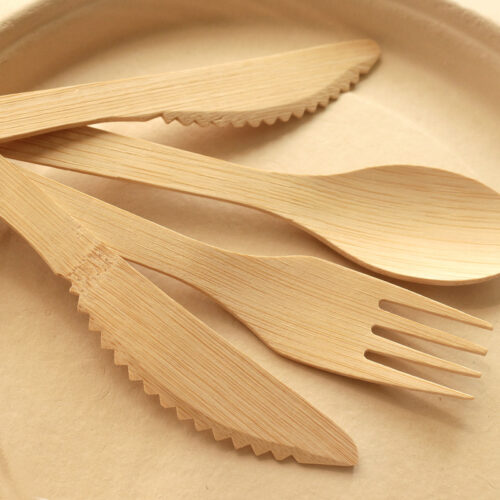
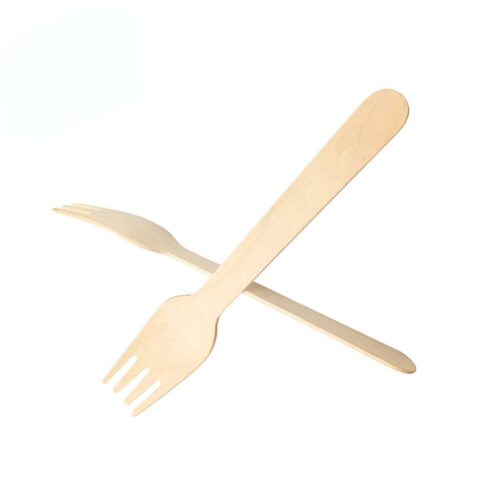
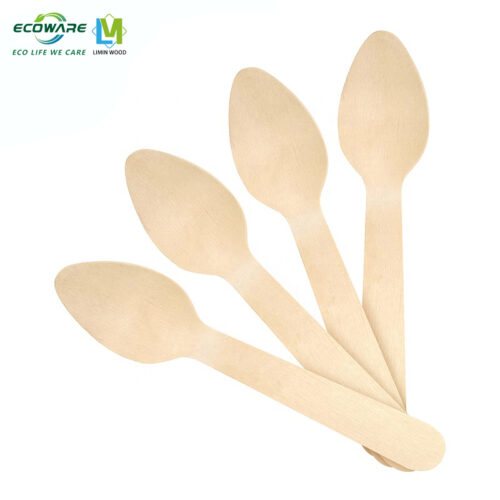
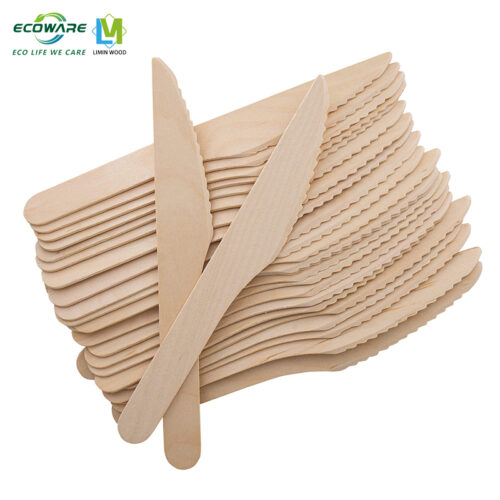
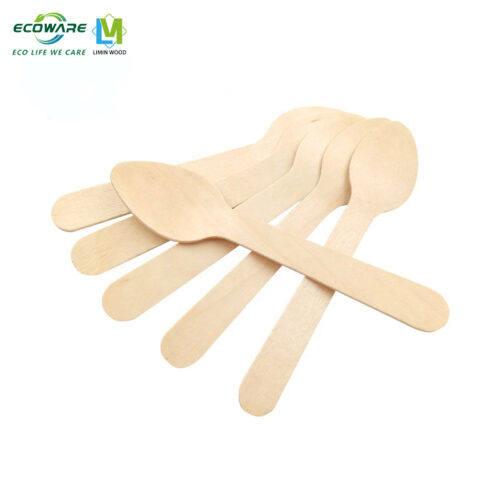
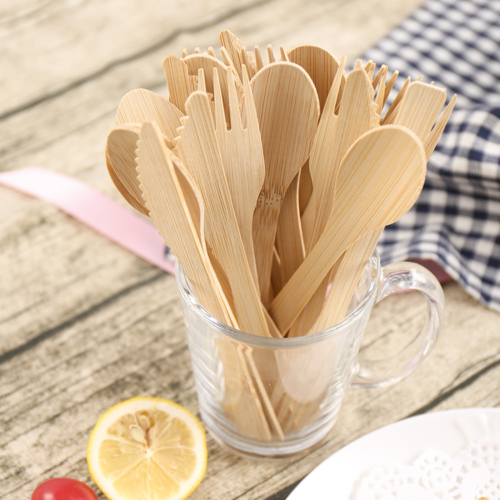
| Wooden tableware itself (forks, chopsticks, plates) | No, by the standard’s own scope | It is the commodity being shipped, not packaging material, so ISPM 15’s treatment and marking rules do not apply to the product. |
| Plywood, OSB, or veneer packaging made with glue, heat or pressure | No, explicit exemption | Named directly in the standard as processed wood that does not need the ISPM 15 mark. |
Source: ISPM 15 (2018) standard text and its explanatory document, ippc.int; European Commission wood packaging and dunnage guidance, food.ec.europa.eu. Both linked below.
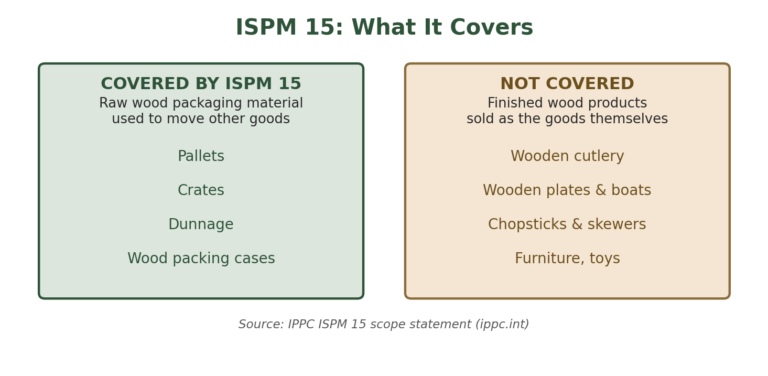
ISPM 15’s own scope, restated from the standard text and the EU Commission’s guidance on it.
Where the Confusion Comes From
Search for “HS 4419 phytosanitary” and you will find freight-forwarder and logistics content that states plainly that a phytosanitary certificate is mandatory for wooden tableware “in line with global ISPM 15 standards.” That is a real, findable claim, and it is also not what the standard itself says. The likely source of the mix-up is that wooden tableware often does travel inside solid wood crates or on wood pallets, and those do need ISPM 15 treatment and marking. It is easy for a guide written for a general logistics audience to blur the packaging requirement into a product requirement, especially when both the pallets and the product on them are made of wood.
If Your Shipment Gets Flagged Anyway
A document request at the border does not mean the standard has changed; it usually means one of a few specific things is happening, and each has a different fix.
- Check the packaging first. If the shipment moved on solid wood pallets or in solid wood crates, confirm those specific items carry a valid ISPM 15 stamp. This is the most common actual cause of a hold, and it is a packaging fix, not a product certification.
- Ask whether it is a country-specific rule. Some countries apply plant-health or customs requirements that go beyond the ISPM 15 baseline. That is a decision made by the destination country, not by the standard, so it will not show up by reading ISPM 15 more carefully.
- Confirm with the destination authority or your broker before the next shipment. The National Plant Protection Organization (NPPO) in the destination country, or a customs broker who clears freight there regularly, can say definitively what that specific port and product code require. This is the one source that outranks any blog post, including this one.
What This Guide Does Not Claim
This page does not claim wooden tableware is exempt from every country’s import paperwork. It claims something narrower and sourced: that ISPM 15 itself, as written, regulates wood packaging material rather than finished wood products. Individual destination countries can and do add their own requirements outside ISPM 15’s scope, and the sources available on this specific question conflict enough that neither “always required” nor “never required” is a safe blanket claim. If a customs document request does not match what is written here, that is a signal to check with the destination country’s plant-health authority, not a sign this page or that document request is wrong.
Frequently Asked Questions
Does ISPM 15 apply to wooden forks, spoons or chopsticks?
Not by the standard’s own scope. ISPM 15 regulates wood packaging material, such as pallets, crates and dunnage, that is used to move or protect cargo. Finished tableware — including spoons — is the cargo, not the packaging.
Why did customs ask for a phytosanitary certificate on a wooden tableware shipment?
A few possibilities, and they are not mutually exclusive: the wood pallets or crates the shipment traveled on may have needed the ISPM 15 stamp, the destination country may apply its own rule beyond ISPM 15, or the request may reflect the same tableware-and-packaging conflation found in some freight-forwarder guides. Confirm the specific reason with the destination country’s plant-health authority or your customs broker.
Is plywood or veneer packaging exempt from ISPM 15?
Yes. The standard explicitly exempts wood packaging made wholly from processed wood created using glue, heat or pressure, such as plywood, oriented strand board and veneer, along with wood 6mm or thinner and material like sawdust or wood wool.
Where can I get a definitive answer for a specific shipment?
The destination country’s National Plant Protection Organization or a customs broker who regularly clears freight at that port. They can confirm the exact requirement for that country and product code; this page explains the underlying standard, not a specific country’s current rule.
Related Guides
This page is not part of the spoon, fork or bamboo-pick classification series already published on this site; it stands on its own as a compliance reference.
- The 2025 EU Single-Use Plastics & PPWR Guide for Tableware Purchasers. For the separate EU packaging-waste and single-use-plastics rules that also affect tableware buyers, distinct from the plant-health rules covered here.
About Ecoware
Ecoware Co., Ltd. sells disposable wooden and bamboo tableware made at its family factory in Shucheng, Anhui province, China (Shucheng Limin Wood Products Co., Ltd., established 2008). The company supplies FSC Chain-of-Custody certified birch and bamboo product lines alongside food-contact compliance documentation (FDA 21 CFR 176.170, EU 10/2011 and LFGB testing on request) for import buyers who need paperwork ready before a shipment clears customs.
The figures in this guide come from a mix of independently published wood-science and materials data (cited inline), Ecoware’s own in-house product testing published on ecowaretech.com, and standard-setting bodies (ASTM, BPI, TÜV Austria, the EU). Where a number could not be independently verified, this guide says so rather than estimating one, and points you to where you can request the missing spec sheet directly from Ecoware.
Want Ecoware’s team to walk through your shipment’s documentation with you? Request a quote →
Related Articles
- Mold on Wooden Cutlery: Why Dry Batches Arrive Moldy
- Wooden Tableware Safety: What You Need to Know About Toxic Finishes and Treatments
- Pioneering Sustainability: Disposable Wooden Forks Safe for Food Contact
- PFHxA Restriction 2026: Does It Cover Wooden Cutlery?
- Become a Top Wooden Tableware Manufacturer at HRC 2024
- Certifications for Disposable Cutlery Suppliers: What FSC, BPI, EN 13432, FDA and LFGB Actually Prove
- Browse all articles & products →