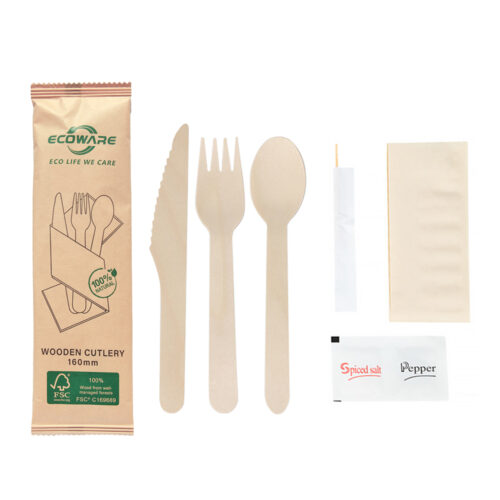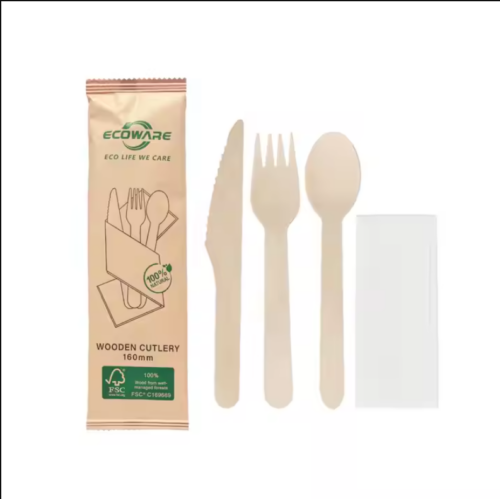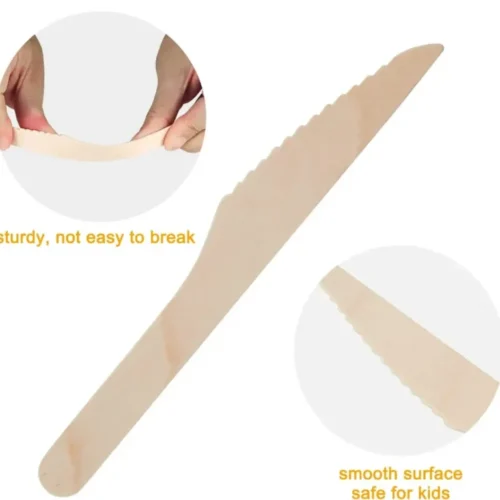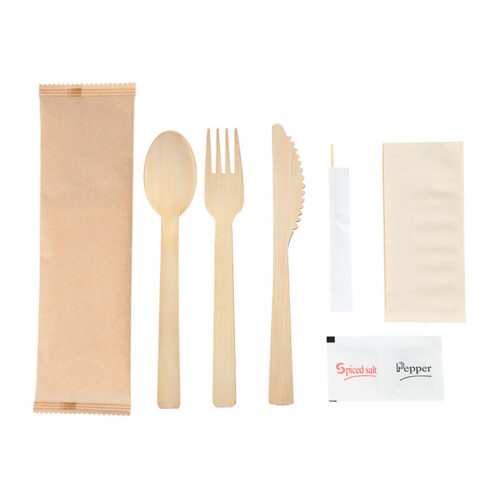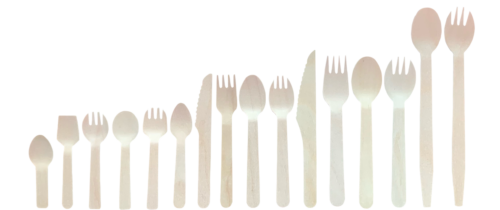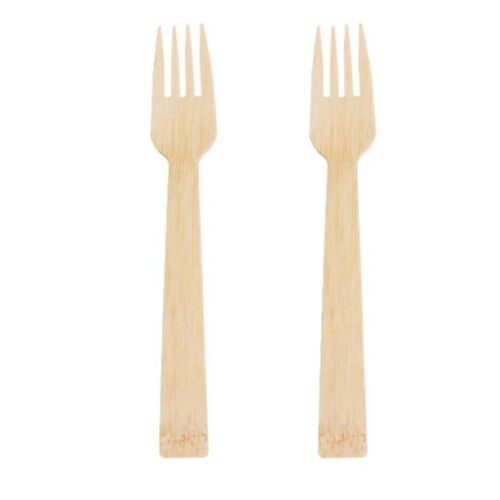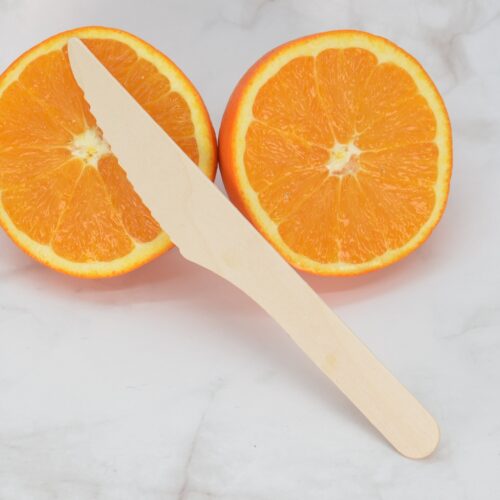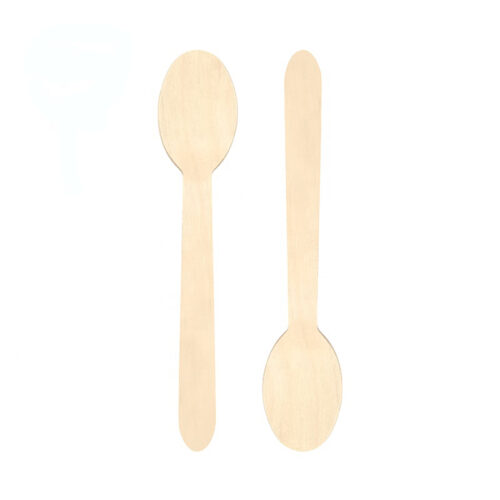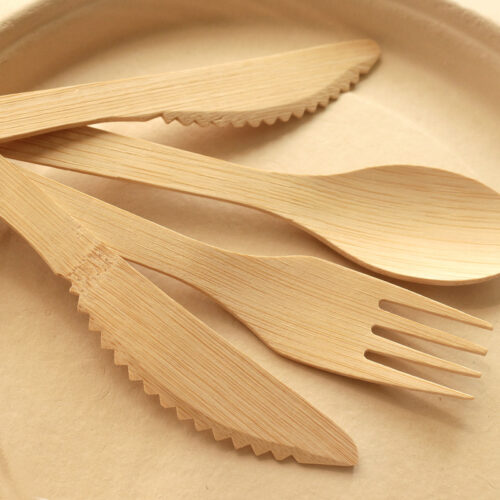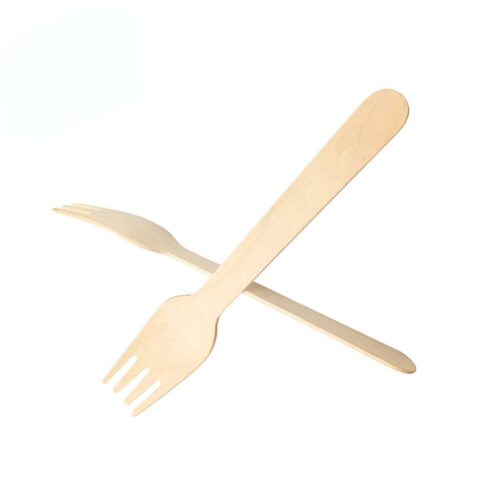
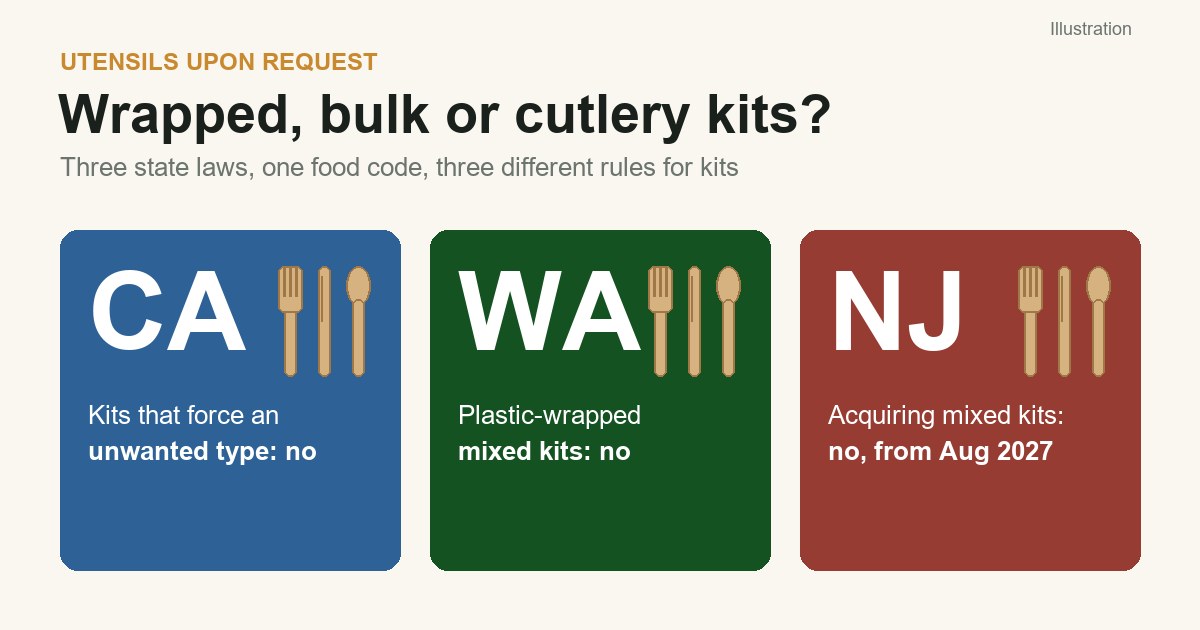
Two layers of rules now decide how disposable cutlery can be handed out in the US. The FDA Food Code says unwrapped forks, knives and spoons must be presented so that only the handles are touched, and that self-serve single-use items come in their original wrapper or from an approved dispenser. On top of that, California, Washington and New Jersey make utensils available only when the customer asks, and each treats pre-bundled kits differently. California bars any bundle that forces a customer to take a type they did not want. Washington bars that only when the bundle is wrapped in plastic. New Jersey goes furthest: from August 2027 a food business there may not even acquire kits that hold more than one type of utensil. Put together, the rules point to two formats. For self-serve, a dispenser that releases one utensil at a time is the only arrangement all four rule sets expressly accept. For utensils handed over on request, individually wrapped singles let staff give out exactly the types asked for. None of these laws exempts wooden cutlery.
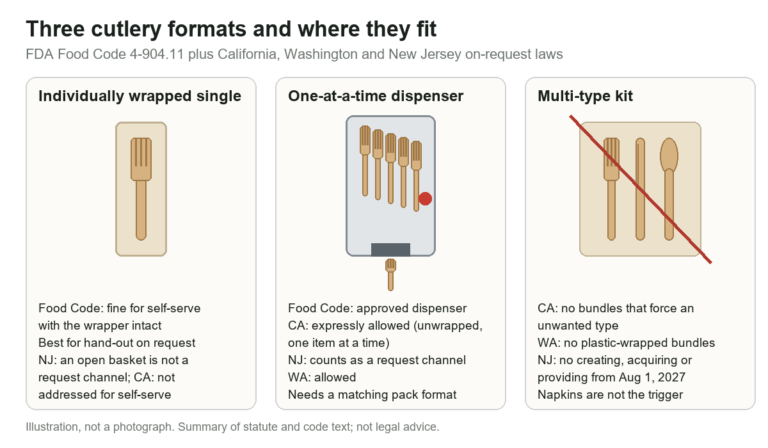
Illustration, not a photograph.
The baseline: what the FDA Food Code says about unwrapped cutlery
The FDA Food Code 2022 is FDA’s model code for food safety, which state, local and tribal regulators use as the basis for the rules their inspectors enforce. Section 4-904.11 covers how single-use cutlery is presented:
- Single-service and single-use articles “shall be handled, displayed, and dispensed so that contamination of FOOD- and lip-contact surfaces is prevented.”
- “Knives, forks, and spoons that are not prewrapped shall be presented so that only the handles are touched by EMPLOYEES and by CONSUMERS if CONSUMER self-service is provided.”
- Single-service articles intended for food or lip contact “shall be furnished for CONSUMER self-service with the original individual wrapper intact or from an APPROVED dispenser.”
In practice that gives a self-serve counter three acceptable ways to offer cutlery under the food code: individually wrapped pieces, a dispenser the health department accepts, or unwrapped pieces arranged so customers can only reach the handles. An open bin of loose forks jumbled together meets none of them. The state laws below then narrow the list further.
The on-request laws, side by side
California, Washington and New Jersey have state-level rules that make disposable utensils available only when a customer asks. The table summarises the statute text; check the current version before relying on it, because this is a summary, not legal advice.
| California | Washington | New Jersey | |
|---|---|---|---|
| Law | AB 1276 (2021), Public Resources Code §42270 to §42273 | RCW 70A.245.080 | Senate Bill S3195, 2024-2025 session, enacted January 2026 |
| In force | Cities and counties had to authorise enforcement by June 1, 2022 | January 1, 2022 | August 1, 2026, per Union County |
| Items covered | Forks, knives, spoons, sporks, chopsticks, condiment cups and packets, straws, stirrers, splash sticks, cocktail sticks | Utensils, straws, condiment packaging, beverage cup lids | Utensils (including knives, forks, chopsticks and spoons) and condiments |
| Core rule | Not provided for on-premises dining or third-party delivery unless requested | Provided only after confirming the customer wants them | Full-service restaurants with 10 or more seats may not give single-use utensils to dine-in customers and must offer reusable ones; other food businesses provide them only on request |
| Self-serve | Unwrapped items allowed in refillable dispensers that dispense one item at a time | Cylinders, bins, dispensers or containers allowed | A request can be made through a utensil dispenser, defined as one that releases a single utensil per push of a button or lever; open trays do not count, except in sports arenas and entertainment centers |
| Bundled kits | May not be bundled so the customer has to take a type they did not want | May not be bundled or packaged in plastic so the customer has to take a type they did not want | Only the types and amounts requested; from 12 months after the effective date, no creating, acquiring or providing bundles with more than one type |
| Exempt | Correctional institutions, health care and residential care facilities, public and private school cafeterias | Health care facilities and listed care settings | K-12 schools, licensed health care facilities, county and state correctional facilities; food-court businesses for two years |
| Penalty | Notices for the first two violations, then $25 a day up to $300 a year | $150 to $2,000 a day, after at least two notices of violation | Warning, then $1,000, then $2,500 per offense, each day counting separately |
California’s law also leaves room for cities and counties to go further (§42271(h)), so a city rule can be stricter than the state column shows.
Where the food code and the self-serve rules meet
Each state law says when a customer may get a utensil. The food code says how an unwrapped one may be presented. Read together, they narrow the options.
California’s self-serve allowance, unwrapped items in refillable dispensers that dispense one item at a time, lines up with the food code’s “approved dispenser”. The statute says nothing either way about a basket of individually wrapped utensils on a self-serve counter, so that arrangement is a question for the local enforcement agency rather than one the text answers. New Jersey lists the ways a customer can request a utensil: in person, by phone, online, or through a utensil dispenser that releases one piece per push. An open tray is expressly not a utensil dispenser outside sports arenas and entertainment centers, so a basket of wrapped forks does not fit that list either.
Washington is the case to watch. Its statute allows “cylinders, bins, dispensers, containers” so that customers can help themselves, which settles the on-request question. It does not settle the food-code question. A bin of loose, unwrapped forks satisfies the Washington statute but is hard to square with §4-904.11, which asks for handles-only presentation, an intact wrapper or an approved dispenser. The practical answer in Washington is the same as elsewhere: wrapped singles or a proper dispenser, and a word with the local health department before a bin goes on the counter.
The kit rules also differ in a way that matters for wrapping material. Washington’s bundling clause applies to utensils “bundled or packaged in plastic”. California’s and New Jersey’s do not depend on the wrapper, so a paper-wrapped fork, knife and spoon kit is still a bundle there.
Which format to stock, by service model
| Service model | Individually wrapped single utensils | Bulk utensils for a one-at-a-time dispenser | Multi-type kit (fork, knife, spoon, napkin) |
|---|---|---|---|
| Self-serve counter | Fits the food code and Washington’s bins; not addressed by California’s self-serve clause; not one of New Jersey’s request channels in an open basket | The one arrangement all four accept, provided the health department approves the dispenser | Conflicts with the bundling rules in California and New Jersey, and in Washington if plastic-wrapped |
| Takeout and delivery, handed out on request | Staff hand over only the types asked for | Works, but staff have to draw from the dispenser for each order | Hard to reconcile with “only the types requested” in New Jersey and with California’s bundling rule |
| New Jersey full-service dine-in (10 or more seats) | Not for dine-in; reusable utensils are required | Not for dine-in | Not for dine-in |
| Exempt settings (schools, health care, corrections) | Outside these three on-request laws | Outside these three on-request laws | Outside these three on-request laws, but still subject to the food code |
Napkins are not in California’s list of single-use foodware accessories, and New Jersey’s law covers utensils and condiments. A kit’s napkin is not what triggers the bundling rules; the mix of utensil types is.
What this means if you import or distribute cutlery
These rules also change what a distributor can sell into each state.
Kits carry the most risk. In New Jersey the kit ban applies from 12 months after the law’s August 1, 2026 start, which puts it at August 1, 2027, and it covers acquiring kits as well as handing them out. A distributor serving New Jersey outlets has until then to run down multi-type kit stock and move those accounts to singles or dispenser packs.
Switching material does not change the answer either. New Jersey’s bill originally referred to single-use plastic utensils; the word “plastic” was struck, so the rules apply to wooden and bamboo utensils as well. California’s and Washington’s definitions list utensils by type, not by material. Switching a customer from plastic to wood solves other problems, but it does not take them outside the on-request rules.
Dispenser formats need to match the dispenser. A one-at-a-time dispenser only works with utensils packed and oriented for that machine, so the dispenser model belongs in the specification before an order is placed.
Before you place the next order
- List every state and city where the customer’s outlets operate, and check whether a city rule is stricter than the state law.
- Record each outlet’s service model: self-serve counter, takeout and delivery, full-service dine-in, or an exempt setting.
- Ask the local health department whether it accepts the customer’s dispenser, and whether it has a position on unwrapped self-serve cutlery.
- For New Jersey outlets, set a date to stop buying multi-type kits before August 1, 2027.
- Specify the format per outlet (dispenser packs for self-serve, wrapped singles for counter hand-out, reusables for New Jersey dine-in) rather than one format for the whole account.
- Keep storage in line with §4-903.11 of the Food Code: single-service articles in a clean, dry place, at least 15 cm (6 inches) off the floor, in their protective packaging. Our guide to mold on wooden cutlery covers why dry storage matters for wood.
For the chemical side of the same US state patchwork, see our evidence pack on state PFAS rules for foodware.
If you supply outlets in more than one of these states, list the service model for each through our quote form and we will reply with a packing format for each market.
If the pack also says “compostable”, see compostable certification by market for which mark each market recognises.
This page summarises the statute and code texts linked above as published; it is not legal advice. The format diagram is an illustration. Published 25 September 2026.