In Europe, environmental regulations are becoming more strict. To comply with these regulations, procurement teams need to align themselves both with the Packaging and Packaging Waste Regulation and Single Use Plastics Directive. This guide will help you to understand what compliance means in tableware procurement. It will also show you how EcowareTech is able to support your transition.
Why EU Regulations are Important for Tableware Purchases in 2025
What is the EU Single-Use Plastics Directive?
-
In the Directive (EU 2019/904, also known as SUPD), certain plastic items, such as cutlery and plates, straws and stirrers, as well some food containers, are banned. Tableware suppliers must ensure that they do not use banned plastics in their products. (environment.ec.europa.eu)
-
The EU will no longer allow plastic plates and cutlery to be sold on its market, if it is made entirely or partly of plastic. This ban will take effect from 3 July 2021. (environment.ec.europa.eu)
-
SUPD also requires clear labels, consumer information and, sometimes, alternative design or materials choices to avoid false claims.
What is the Packaging and Packaging Waste Regulation?
-
PPWR Regulation (EU 2025/40) became effective in 2025. The new regulation replaces the old Packaging Directive (94/62/EC), which was not directly applicable to all EU Member States. The key aims are: recyclability and reuse, reduction of waste, and harmonised labels. European Packaging+3Circularise+3He Gui Men +3
-
Specific obligations include packaging for recyclability and minimum recycled content. Chemical safety limits (such as PFAS) are also included. Clear, harmonised labels (including provisions for QR codes or digital identifiers) are also included. Bioleader(r) Biodegradable Tableware+2He Gui Men +2
What is the relationship between SUPD & PPWR for tableware buyers?
-
To avoid non-compliance with the SUPD, consumers need to switch to acceptable materials.
-
Under PPWR even the packaging and components in the tableware supply chains must meet recyclability and labeling standards, as well as chemical safety. This means it’s not sufficient for just the tableware material to be “eco-friendly”–packaging, inks, adhesives, all parts count.
-
Documentation and certification become essential: suppliers must prove compliance by providing test reports, declarations or traceable materials.
The Key Requirements in Tableware Purchases
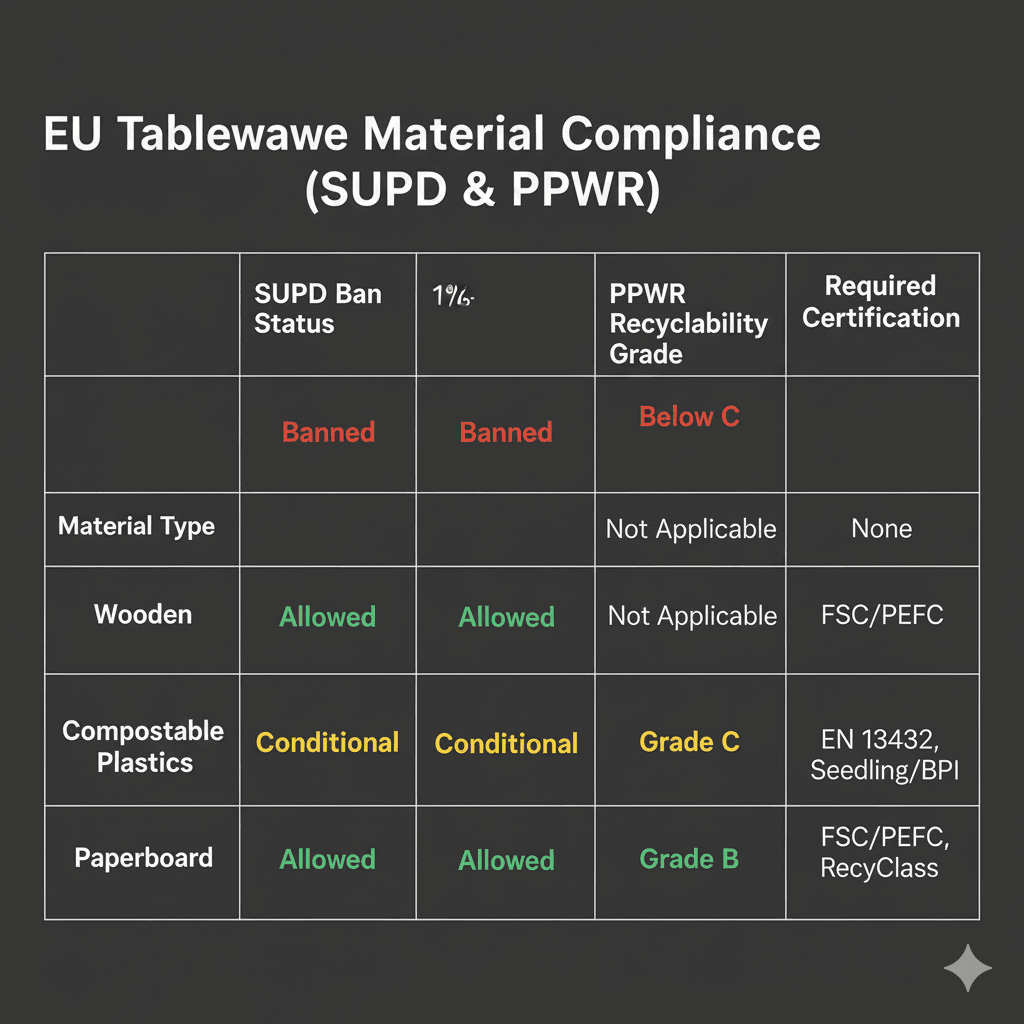
Allowed alternatives & Banned items
-
Plastic cutlery, plates, straws and other typical plastic products are prohibited under SUPD. Tableware containing plastic (e.g. Any tableware with plastic content (e.g.
-
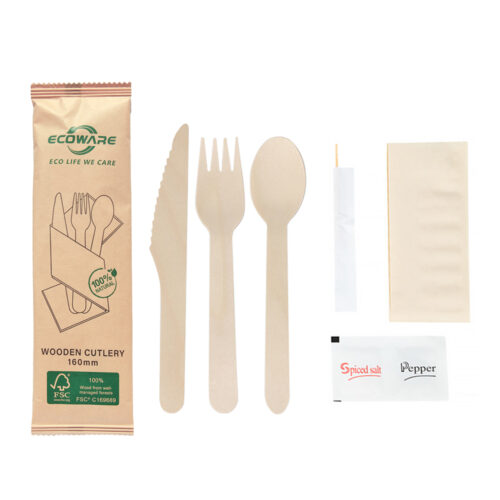
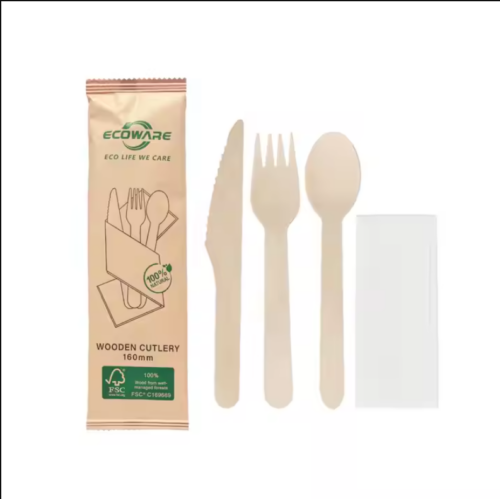
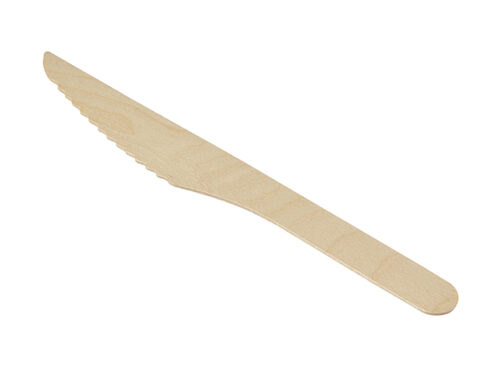
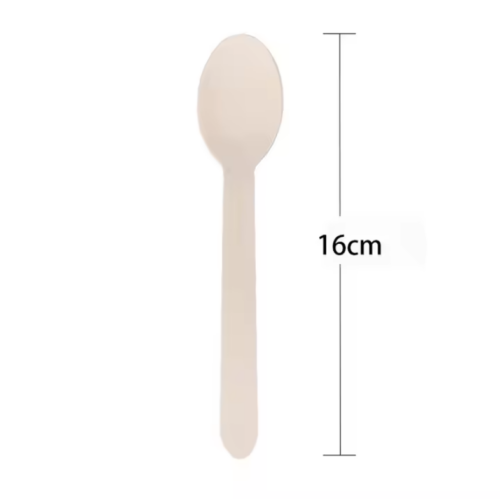
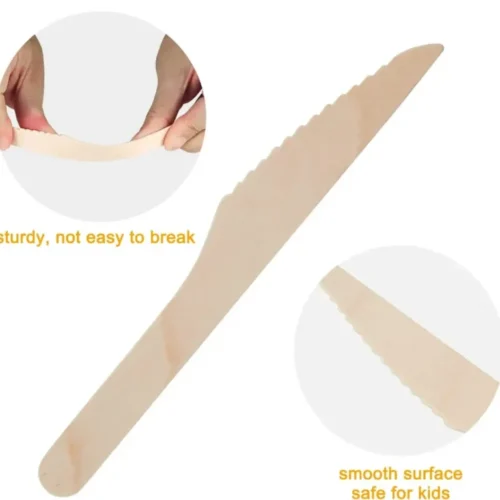
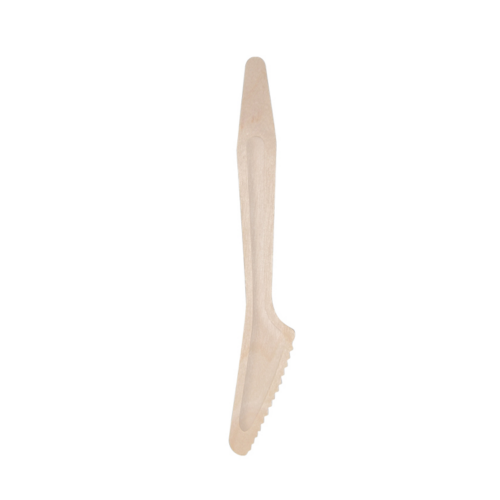
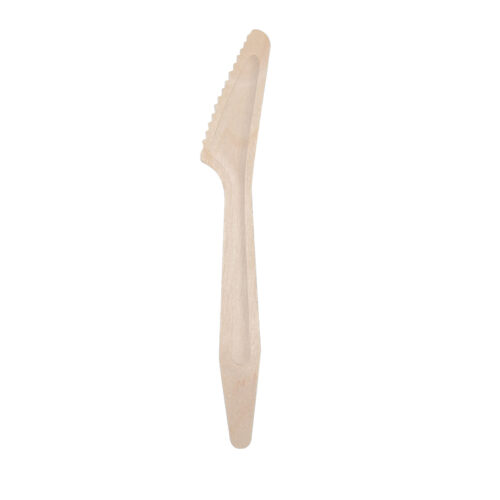
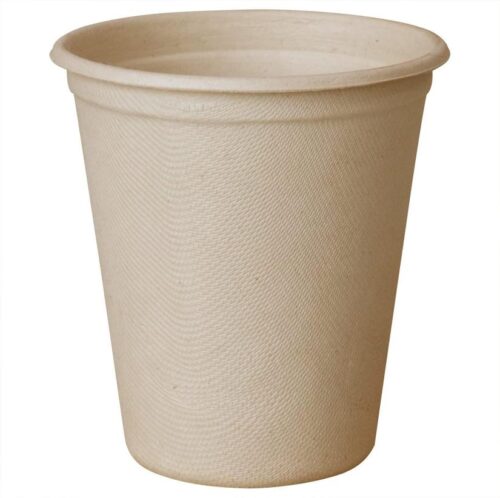
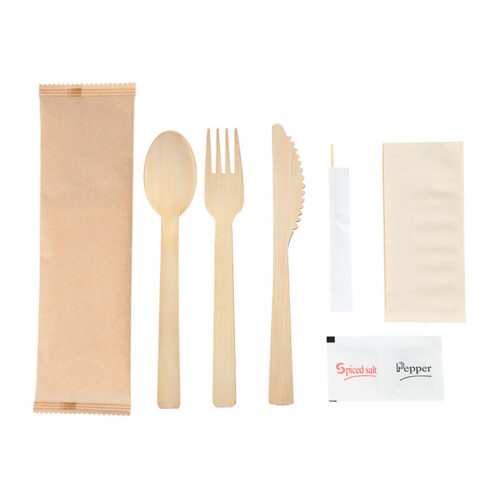
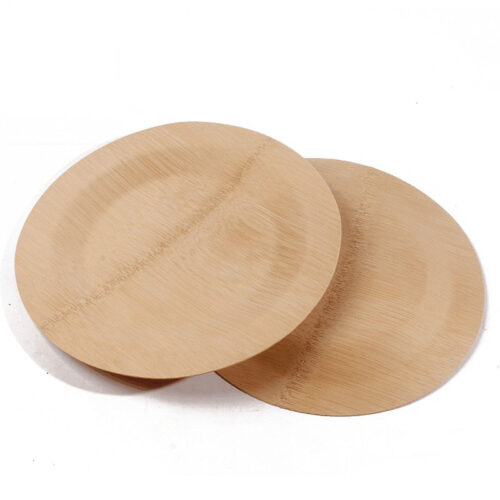
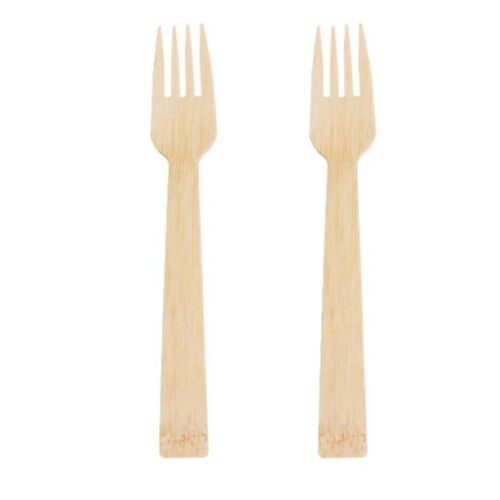
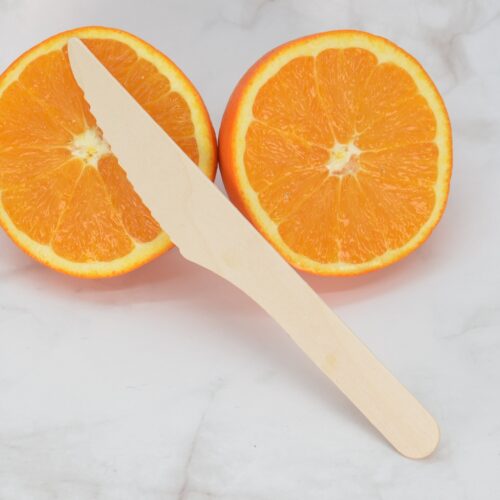
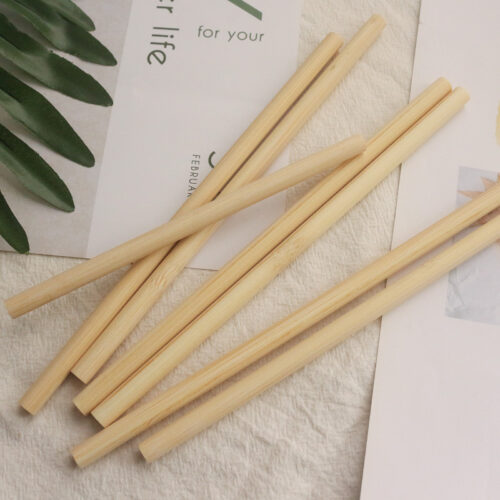
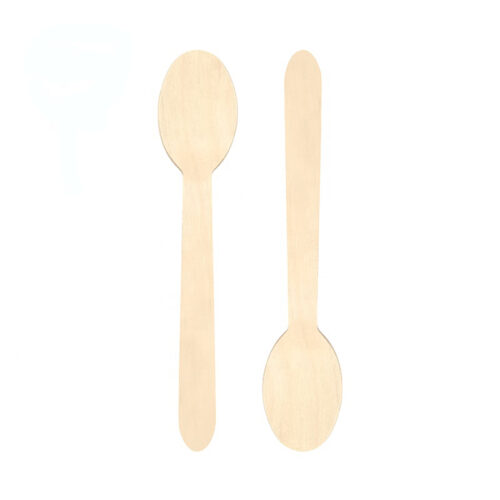
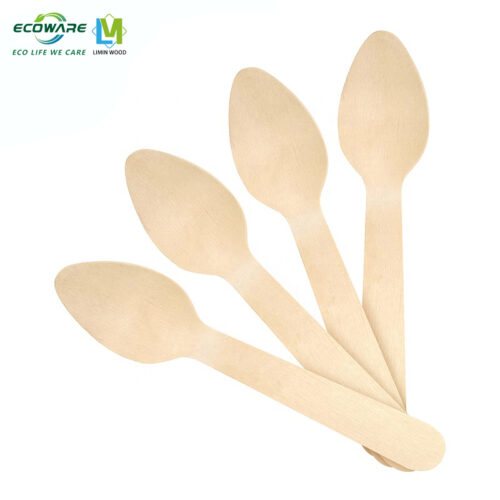
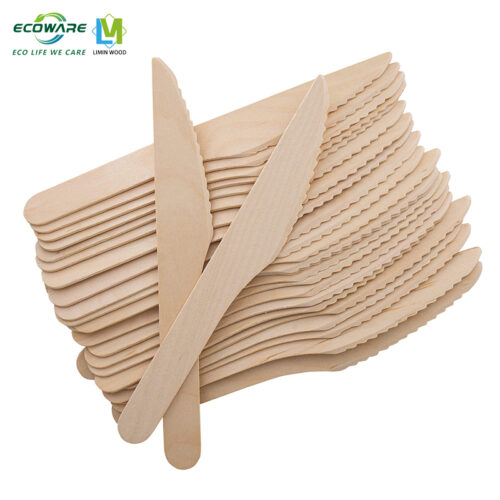
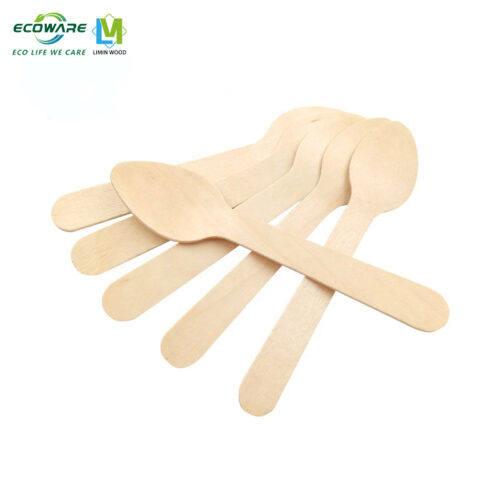
Alternatives: wood or bamboo cutlery that does not have plastic coatings, paper or cardboard tableware without plastic coatings, industrial compostable materials certified according to EN 13432 or BPI. The use of compostable materials (like PLA), is only acceptable when properly certified. Bioleader(r) Biodegradable Tableware+1
Recyclability and Packaging Design (PPWR Requirements).
-
Avoid composite materials (e.g. mixed laminates, plastic films + paper, metal foils unless removable). Materials & components easily recyclable in EU waste streams are preferred.
-
Packaging that does not meet the recyclability standards A, B or C may be restricted. will only allow A or B grade packaging from onwards. Chemical safety: introduction of PFAS thresholds; documentation required for materials exceeding certain limits. Labels must include additional information, such as identification of the material and instructions for disposal. Labels with harmonised data are required. Labeling deadlines are established (e.g. The deadline for harmonized labels is 12 August 2026.
Documentation & Certifications
-
Certifications like EN 13432, BPI, FSC, etc. Assure industrial compostability or sustainable sourcing. Valid certificates issued by notified bodies are essential (e.g. It is essential to have a valid certificate from a notified body
-
The suppliers must keep technical documentation, declarations, data on chemical and material safety, as well as traceability. These documents should be available on request.
-
EcowareTech offers a number of documents that confirm compliance. EcowareTech’s site, for example, has pages that discuss certifications and why wooden cutlery remains a smart choice.
EcowareTech’s Help & What You Can Do Now: Practical Steps For Procurement Teams
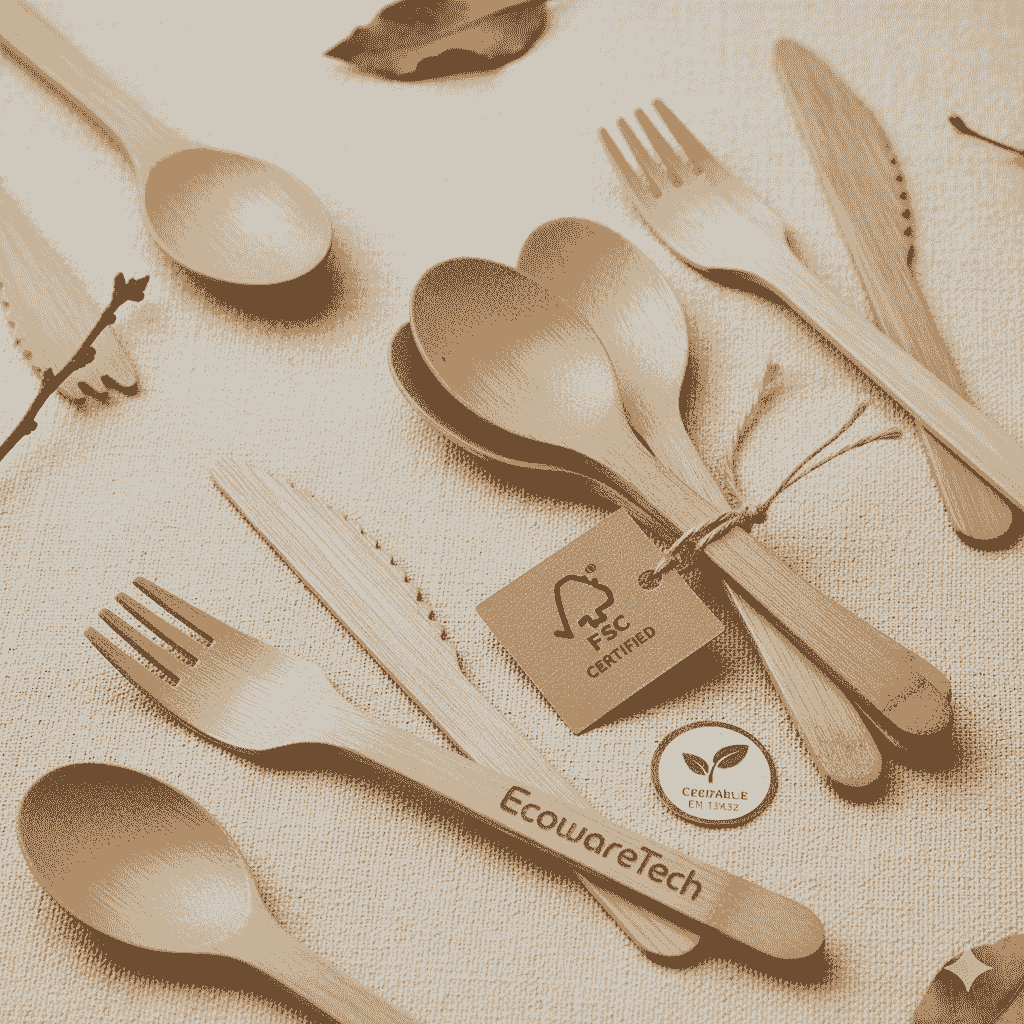
Here is a plan for managing your tableware procurement and how ecowareTech could be incorporated into your solution.
Step 1: Audit your current tableware and supplier portfolio
-
Identify the items that are not compliant or contain banned materials in your supply chain. Included are not only the plates and cutlery themselves, but also the packaging, coatings, glues, etc.
-
Ask existing suppliers for certifications, test results, and breakdowns of materials. EcowareTech has already designed many products (wooden and bamboo tableware), with compliance in mind.
Step 2: Choose alternatives & verify certifications
-
Prioritise alternatives to wooden and bamboo cutlery that are compliant or surpass compliance standards.
-
EN 13432 is the European standard for compostable materials. Consider BPI or ASTM standards for dual-market or North American procurement. EcowareTech can provide documentation and support EN 13432.
Step 3: Packaging Design and Labeling
-
Packaging must meet PPWR’s requirements, including recyclability and minimal packaging. No laminates, adhesives or inks that are problematic should be used.
-
Use harmonized labels, digital identifiers and QR codes that link to environmental or material data. Prepare for the QR/data carrier requirement (by 2026-2027). EcowareTech develops packaging and labels that are aligned to PPWR standards.
Step 4: Incorporate compliance into RFPs and Supplier Contracts
-
Include explicit requirements in your RFPs. These include: certifications for sustainable tableware, packaging gradings for recyclability, labeling, documentation for chemical safety, and traceability.
-
Request samples of reports and proof of certification. Demand that the supplier maintain audit documentation.
-
EcowareTech provides enterprise and bulk buyers with sample policies. It also offers MOQ flexibility. Certificates can be downloaded by purchasers.
Step 5: Plan your budget and timeline
-
There will be cost implications: alternative materials, certification fees, packaging redesign, possible transportation/handling changes.
-
Non-compliance can also be a risk.
-
Plan timelines for switching current supplier orders far in advance deadlines, allowing time for testing, certification and logistics.
Important Deadlines & Timeline You Should Know

| Date of Effective / Deadline | What it Means to Buyers/Suppliers |
|---|---|
| 22 Jan 2025 | PPWR is published. Manufacturers and importers need to prepare. Circularise+1 |
| 12 August 2020 | PPWR has many obligations: harmonised labels, registration and certain design requirements. |
| 1 Jan 2030 | Packaging must be recyclable at grade A, B or c; recycled content requirements are becoming stricter. Bioleader(r) Biodegradable Tableware+1 |
| 1 Jan 2038 | Only grades A &B recyclability allowed; stricter enforcement. Bioleader(r) Biodegradable Tableware |
Cost implications & risk mitigation
Possible cost drivers
-
The cost of alternative materials (such as wood, bamboo and certified compostables), is often higher than the price of simple plastic.
-
All certification, testing, documentation and packaging, labeling, redesigning, and redesigning all come with upfront costs.
-
If materials are heavier or less compact, the logistics and shipping process may be affected.
How to mitigate risks & costs
-
By working with established suppliers who are compliant (such as EcowareTech), you can save on certification, testing and design costs.
-
Avoid surprises by using early sample testing.
-
Negotiate contracts to absorb a portion of the costs of packaging redesign & certification.
-
Transparency of cost in procurement is key: breakdown cost by compliance benefit and risk cost. Non-compliance can lead to legal costs, reputational cost, or even bans.
EcowareTech helps you meet the 2025 EU PPWR compliance
EcowareTech can support buyers in their quest for sustainable tableware that is compliant.
-
Compliant Product Lines : Wooden, Bamboo, FSC-certified Tableware without plastic coating. EcowareTech products comply with both SUPD and PPWR requirements. Sheng Tai Qi Ke Ji+2Sheng Tai Qi Ke Ji+2
-
Support for Certification: We provide sustainable tableware certifications, including EN 13432 and equivalent compostability standards.
-
Packaging & labeling alignment: Our products are already compliant with PPWR requirements for digital carriers and labels.
-
Enterprise buyer-friendly policies: sample policy, flexible MOQs and bulk pricing. We help procurement teams to understand the full cost vs. risk when choosing compliant materials.
Summary Checklist for Procurement Team
-
Check your current tableware and packaging for non-compliant or banned plastics.
-
Documentation of alternative sources (wood, bamboo and certified compostables).
-
Ensure that packaging meets PPWR requirements for recyclability and labeling (physical & electronic).
-
Include PPWR & SUPD in RFPs and Contracts.
-
EcowareTech is a good example of a supplier who has already implemented compliance measures and certifications. Their product lines will also meet these standards.
The FAQ
Q1 What does “EU Single-Use Plastics & PPWR compliance” mean in tableware procurements?
It means meeting the legal requirements of both the EU Single-Use Plastics Directive, which bans certain plastic single-use products, and the more recent Packaging and Packaging Waste Regulation, which sets standards regarding packaging recyclability and chemical safety as well as labeling and other documentation.
Q2: Which sustainable tableware certifications are required by procurement teams? Answer: The key certifications include EN13432 (European Standard for Industrial Compostability), BPI, FSC and other equivalently recognized marks. Request official certificates such as TUV or DIN CERTCO. Ensure that the certification covers every component of the product (material, packaging and inks). Bioleader(r) Biodegradable Tableware+1
Q3 – Are alternatives to plastic cutlery acceptable under EU regulations?
Yes, as long as the products are safe for food contact; they use appropriate certifications and are packaged/labeled in compliance with SUPD/PPWR standards.
Related Articles
- How to Identify Non-Toxic Wooden Tableware
- Is Your Wooden Tableware Safe? A Guide to Choosing Non-Toxic, Eco-Friendly Options
- Wooden Tableware Safety: What You Need to Know About Toxic Finishes and Treatments
- China Wooden Cutlery Wholesale: Factory Direct Prices,2026 Sourcing Guide
- Browse all articles & products →