Oil-linked raw materials are becoming more expensive. Freight routes are less predictable. Procurement teams are under pressure to reduce risk.
For B2B buyers in foodservice, this shift has a clear implication: disposable bamboo and wooden tableware is no longer just an eco-friendly option. It is becoming a supply chain strategy.
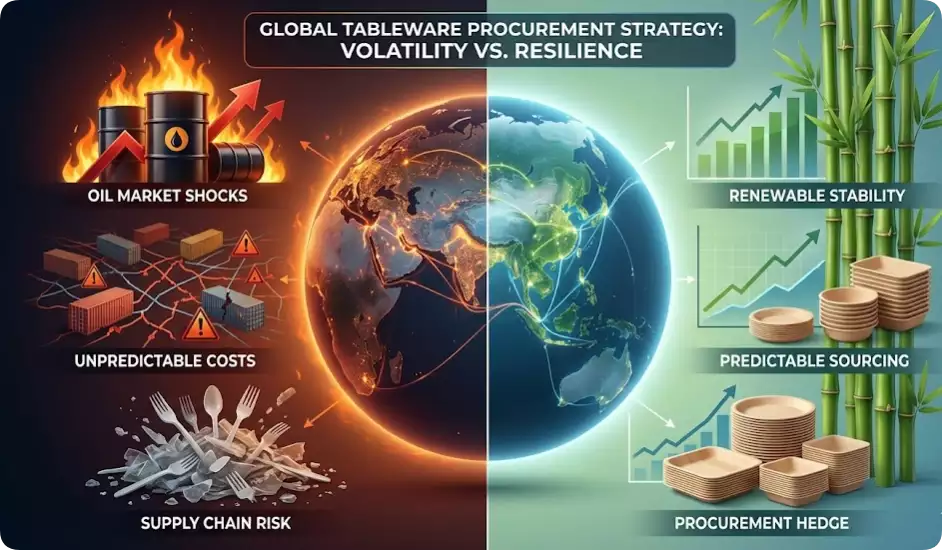
As the 2026 Middle East conflict continues to affect energy markets and shipping conditions, buyers sourcing plastic cutlery and petroleum-based packaging are facing a different cost structure than they did just months ago. Bamboo and wooden alternatives, by contrast, are structurally insulated from crude oil volatility.
Why This Conflict Matters to Foodservice Procurement
The current disruption is not limited to one region. It affects three layers of the supply chain at once:
First, crude oil prices put pressure on plastic resin and other petrochemical inputs.
Second, shipping lanes and freight insurance become more expensive or less reliable.
Third, buyers begin to re-evaluate supplier resilience, compliance, and delivery certainty.
For foodservice operators, distributors, wholesalers, and importers, these changes matter because disposable tableware is a recurring purchase category. Even a small cost increase per unit becomes significant at volume.
That is why procurement teams are looking beyond short-term price and asking a more important question:
Which tableware category is less exposed to geopolitical and energy risk?
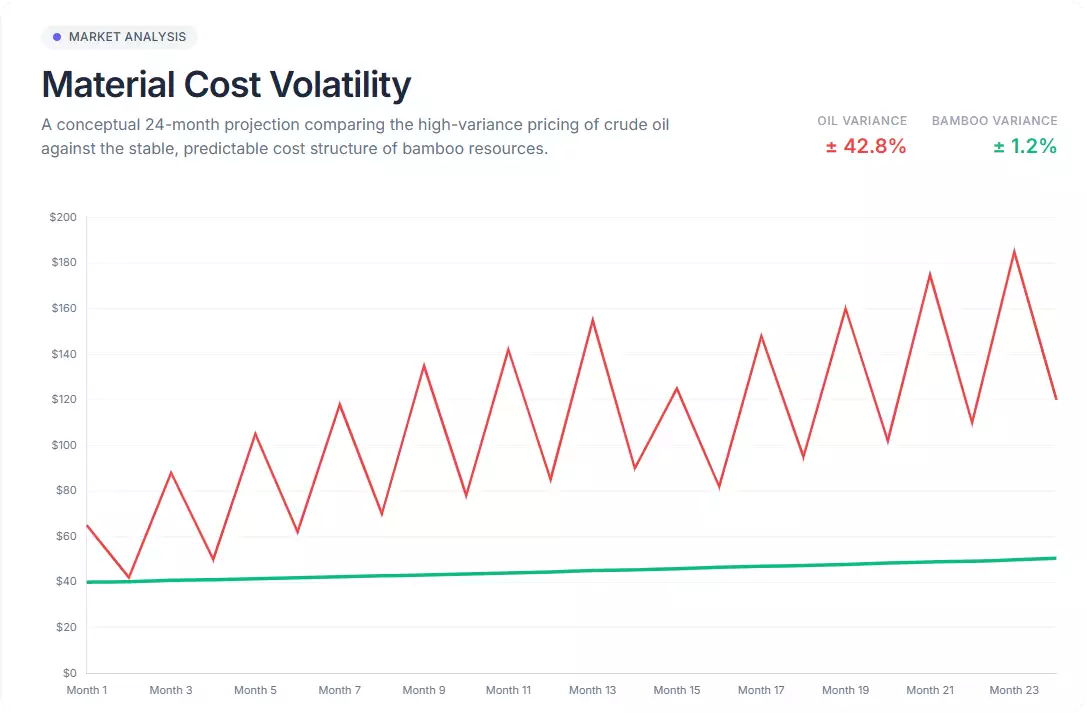
Why Plastic Cutlery Faces the Bigger Cost Shock
Plastic cutlery depends on petroleum derivatives such as polypropylene, polyethylene, and polystyrene. When oil prices rise, plastic input costs usually follow.
In a high-volatility environment, this creates a chain reaction:
- higher resin costs
- higher manufacturing costs
- higher packaging costs
- higher freight and insurance costs
- higher landed cost for buyers
For B2B buyers, the problem is not only price inflation. It is price unpredictability. A supplier may quote one rate today and a materially higher rate later, especially if freight conditions deteriorate or raw material prices move again.
This is exactly the type of environment where plastic becomes harder to budget for.
Why Bamboo and Wooden Tableware Is Better Positioned
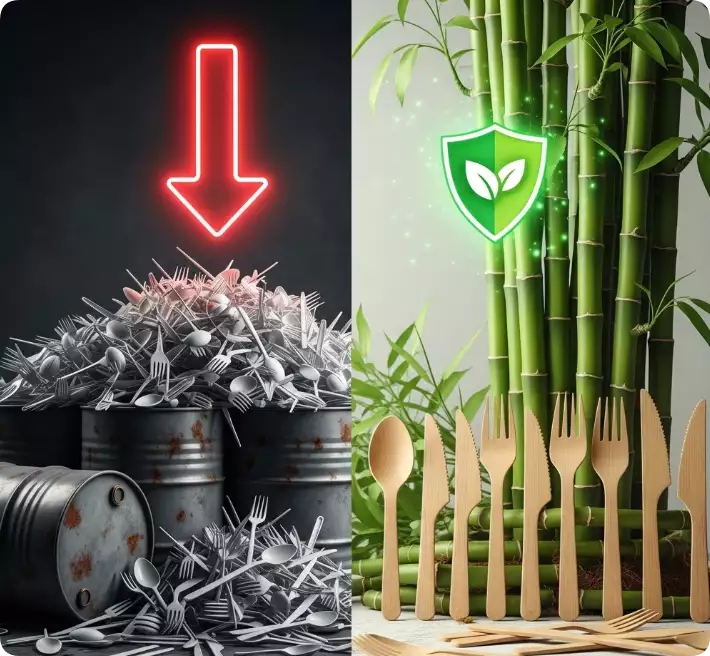
Bamboo and wood are not tied to petroleum as a primary raw material base.
That difference matters.
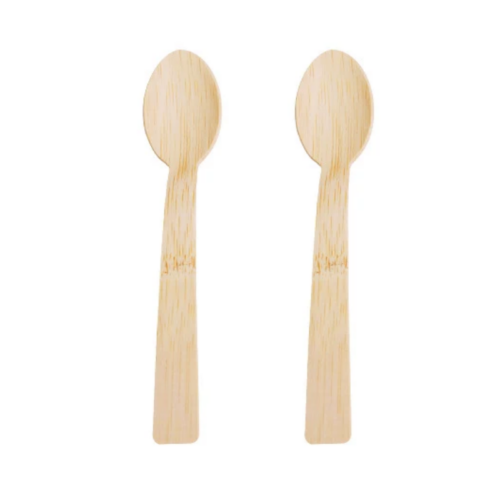
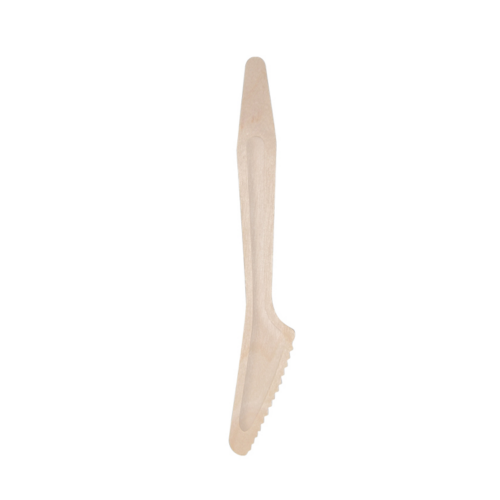
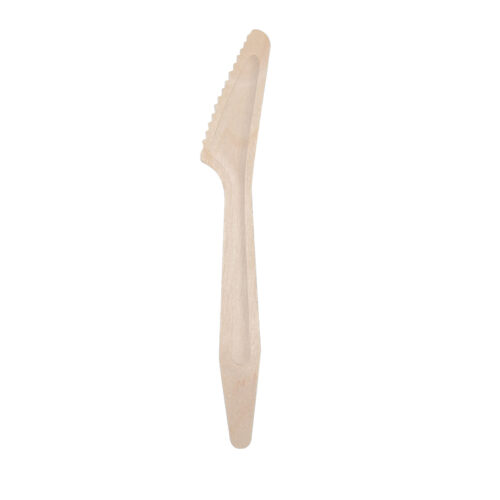
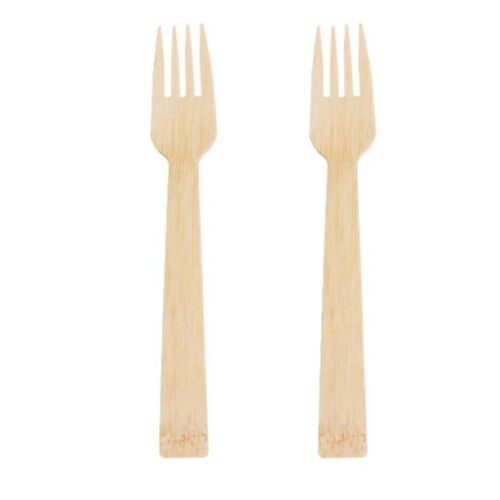
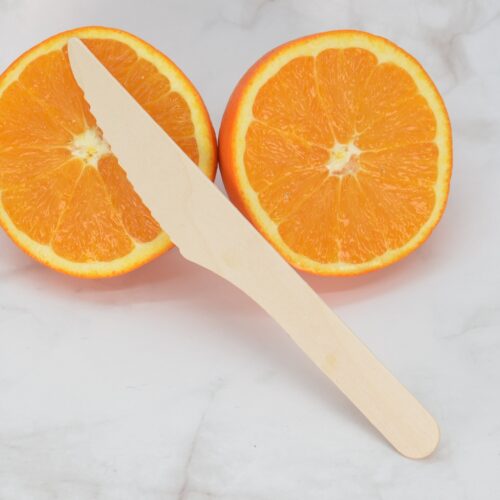
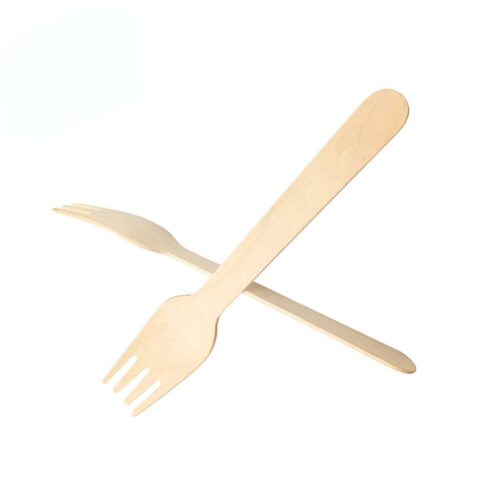
A bamboo cutlery set or wooden fork does not depend on crude oil the way plastic alternatives do. This means the category is less exposed to energy-market shocks and more suitable for buyers who want stable procurement planning.
For foodservice buyers, the advantage is practical:
- lower exposure to oil-price volatility
- more predictable sourcing
- better alignment with sustainability positioning
- stronger regulatory readiness in markets that are restricting single-use plastics
This is why bamboo and wooden tableware is moving from “green alternative” to “procurement hedge.”
Comparison: Plastic vs Bamboo / Wooden Disposable Tableware
| Factor | Plastic Disposable Cutlery | Bamboo / Wooden Cutlery |
|---|---|---|
| Raw Material Base | Petroleum-derived | Renewable plant-based material |
| Sensitivity to Oil Prices | High | Low |
| Supply Chain Risk | Higher | Lower |
| Regulatory Pressure | Increasing | More compliant |
| Buyer Perception | Functional only | Sustainable + strategic |
| Procurement Stability | Weak in volatility | Stronger in volatility |
The point is not that bamboo is fashionable. The point is that it is easier to defend operationally when the market is unstable.
Shipping Reality: Not Every Route Is Equally Affected
For international buyers, supply chain risk is not only about raw materials. It is also about route reliability.
China-based bamboo and wooden tableware manufacturers typically export through established ocean freight routes to North America, Europe, Australia, and the Middle East. The actual impact depends on destination market, carrier availability, and whether rerouting is required.
For example:
- North America shipments often move through Pacific routes
- Australia shipments are generally more insulated from Middle East disruption
- Europe-bound cargo may face longer transit times if carriers reroute
- Gulf-region destinations may require more conservative planning
For B2B buyers, the practical takeaway is simple:
Lead times should be planned with buffer, not optimism.
That matters especially for distributors and importers managing seasonal demand, retail replenishment, or contract supply.
What B2B Buyers Should Do Now
The best procurement response is not to freeze purchasing. It is to reduce exposure before the market reprices again.
A smarter buying strategy includes:
- locking in supply earlier
- diversifying away from petroleum-linked products
- reviewing lead times by destination market
- securing alternative packaging and cutlery formats
- working with suppliers that can offer flexible shipping terms
In volatile periods, the buyers who move first usually secure better pricing and better availability. The buyers who wait often pay more and receive less flexibility.
Why This Is Also a Regulatory and Brand Decision
This shift is not only about cost.
It is also about compliance and positioning.
Across many markets, single-use plastic is under increasing regulatory scrutiny. At the same time, consumers are paying more attention to whether foodservice brands use sustainable materials.
For wholesalers, distributors, restaurants, catering groups, and private-label buyers, bamboo and wooden tableware supports three goals at once:
- procurement resilience
- regulatory alignment
- brand improvement
That combination is difficult to ignore in 2026.
EcoWare’s Position for B2B Buyers
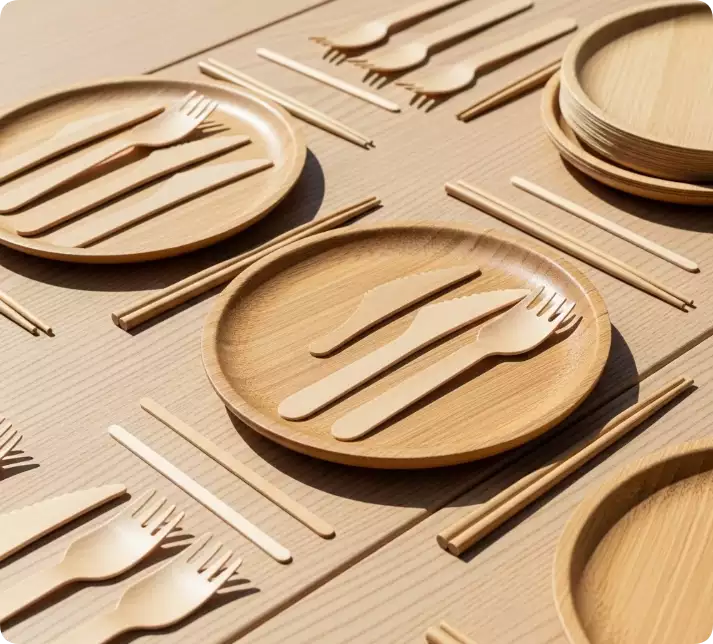
EcoWare supplies bamboo and wooden disposable tableware for global B2B buyers. Our product range includes:
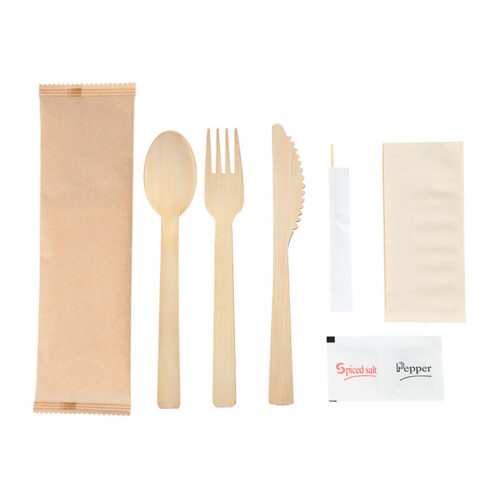
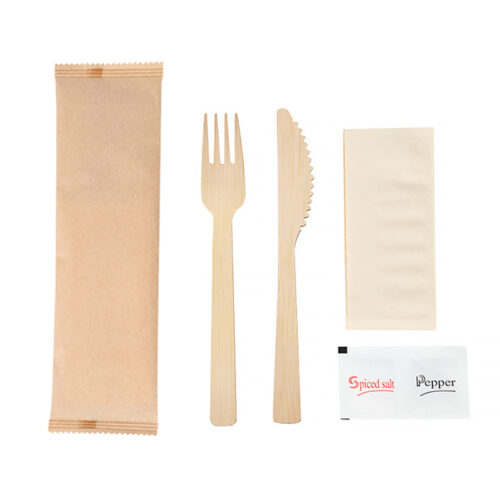
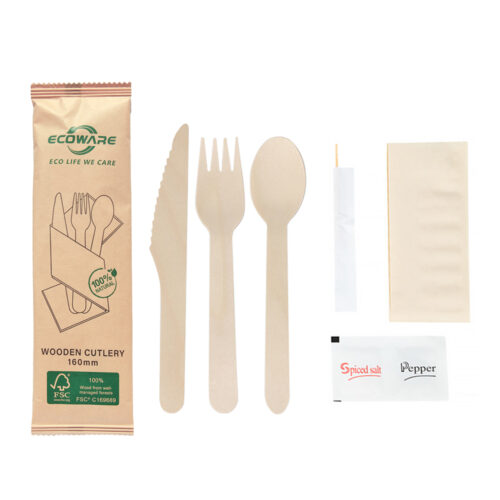
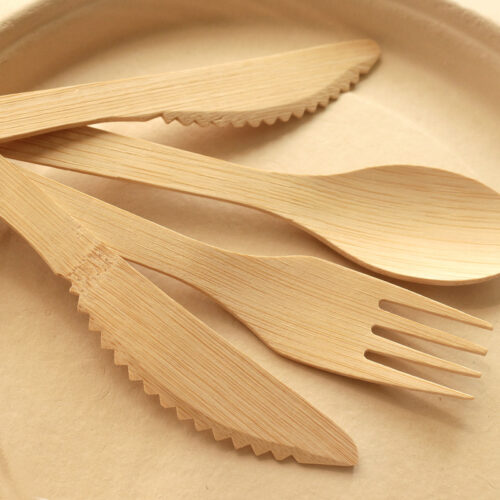
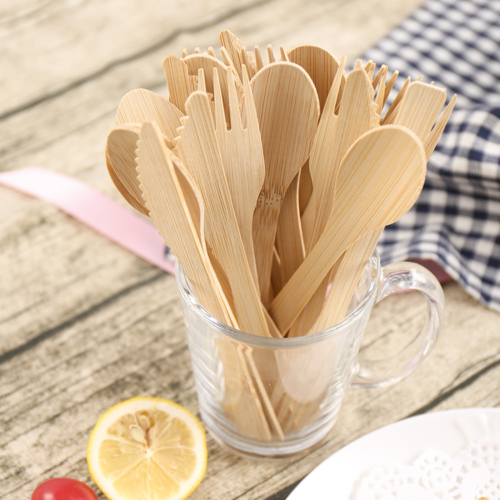
- disposable bamboo cutlery sets
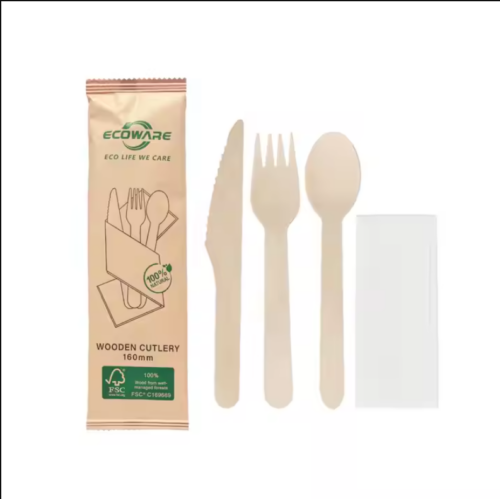
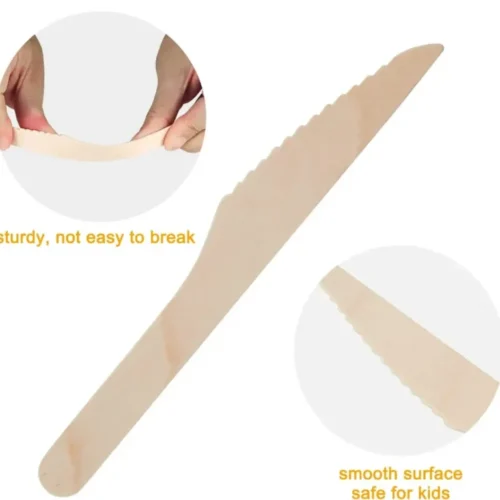
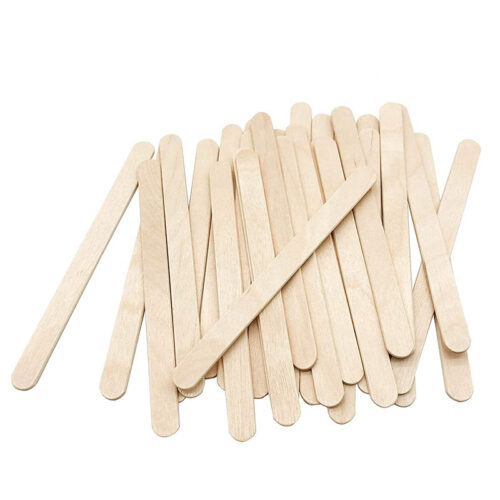
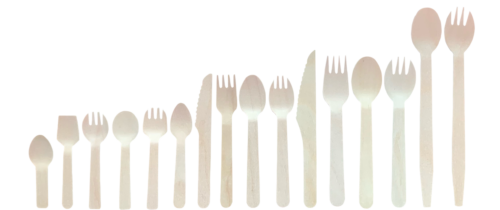
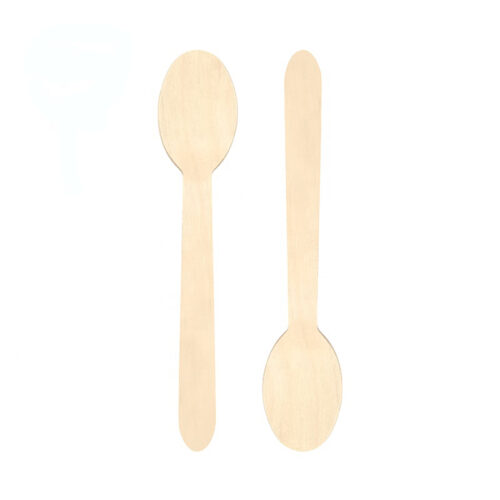
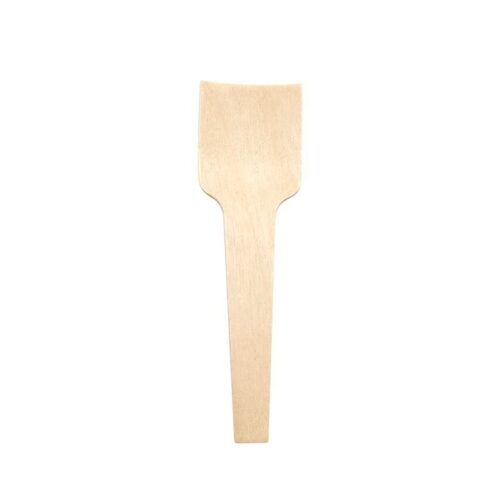
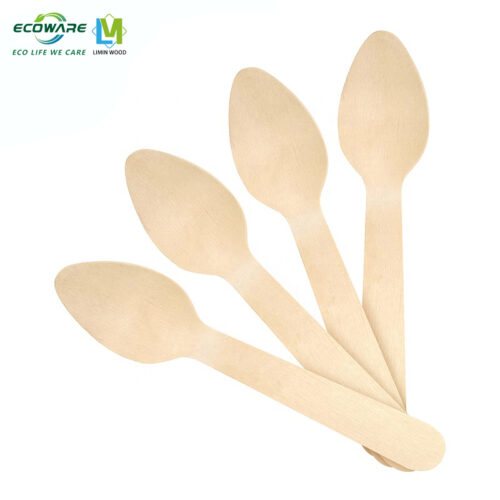
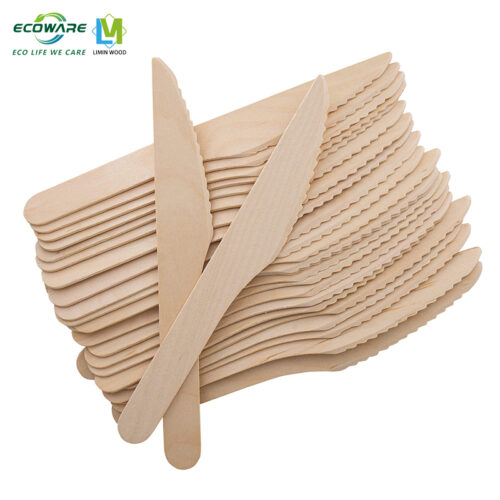
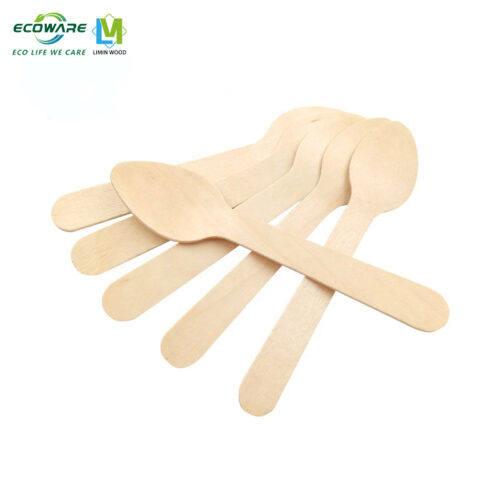
- wooden cutlery sets
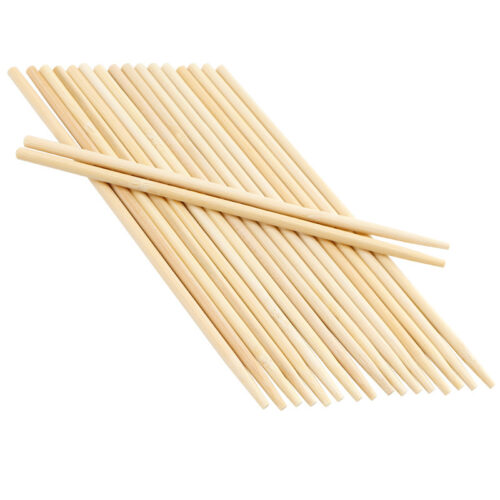
- bamboo chopsticks
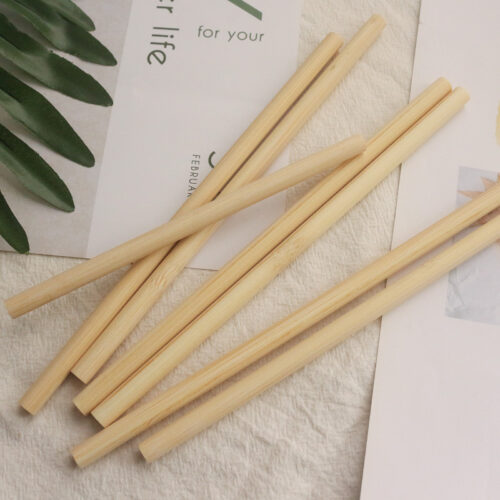
- bamboo straws
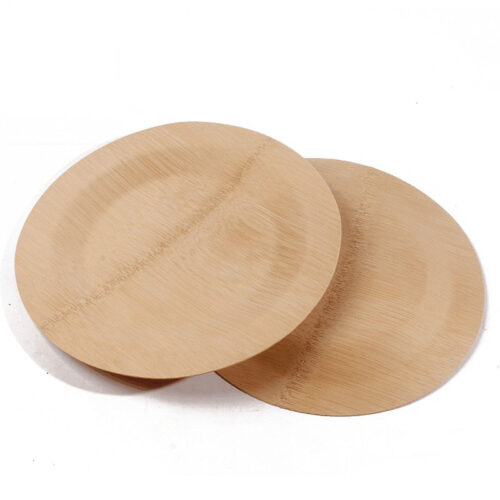
- bamboo plates
- bamboo bowls
- bamboo coffee stirrers
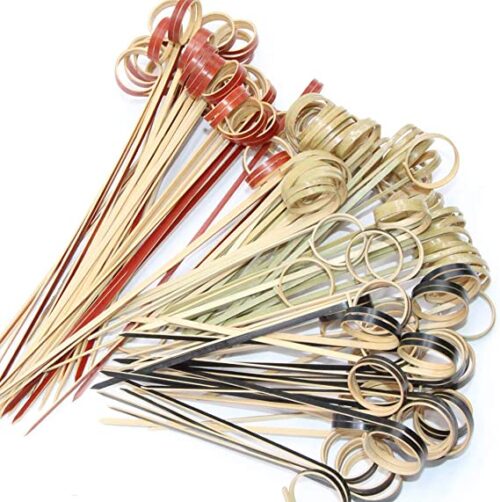
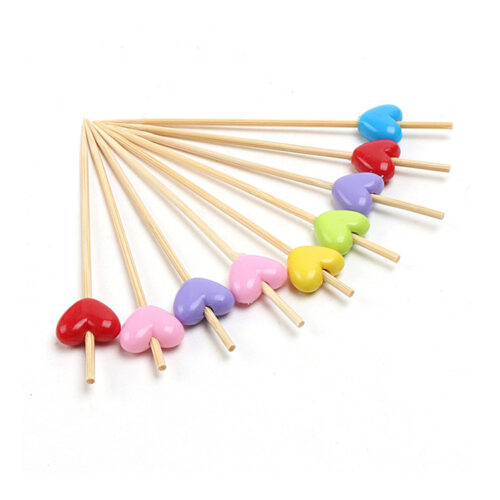
- bamboo skewers and fruit picks
- custom packaging and bulk supply options
For international buyers, we offer flexible trade terms and route-based logistics planning to support different market needs.
If you are sourcing for foodservice, wholesale, retail, or distribution, the main question is not whether the category is sustainable. It is whether your current supply model is resilient enough for the next procurement cycle.
Why Q2 and Q3 2026 Matter Most
This is the window where many buyers decide whether to switch or wait.
Waiting may feel safer, but in practice it often creates three risks:
- higher raw material costs
- longer lead times
- limited supplier capacity once demand shifts
By contrast, buyers who transition early can use current market conditions to improve cost certainty and supply continuity.
That is why Q2 and Q3 2026 are strategically important for bamboo and wooden tableware procurement
Frequently Asked Questions
How does the 2026 Iraq-Iran conflict affect disposable bamboo cutlery prices?
The conflict mainly affects petroleum-linked products. Bamboo cutlery is less exposed because it does not rely on oil-derived raw materials in the same way as plastic alternatives.
Is bamboo tableware affected by the Strait of Hormuz disruption?
Not directly at the raw material level. Shipping impact depends on destination and carrier routing, but bamboo itself is less tied to the petrochemical supply chain.
Why should B2B buyers switch from plastic to bamboo now?
Because bamboo offers better cost predictability, lower energy-price exposure, stronger sustainability positioning, and better alignment with tightening regulations.
Can EcoWare support global shipping?
Yes. We work with B2B buyers across North America, Europe, Australia, and the Middle East with route-sensitive logistics planning and flexible trade terms.
What products are most suitable for bulk procurement?
Disposable bamboo cutlery sets, wooden cutlery sets, bamboo chopsticks, bamboo straws, and bamboo plates are the most common B2B procurement categories.
Final Procurement Note
If your current sourcing model depends on plastic cutlery or petroleum-based disposable tableware, this is the moment to reassess.
The market is changing.
Bamboo and wooden tableware is no longer just an environmental preference. For many buyers, it is now a more resilient procurement category.
Optional CTA Block
Need a bulk quotation for bamboo or wooden disposable tableware?
Contact EcoWare to discuss product specifications, lead times, shipping terms, and bulk pricing for your market.