【Author Card】
Wang | Senior Export Trade Director · 15-Year Eco-Packaging Supply Chain Specialist · Co-Founder, EcoWareTech
WEPACK 2026 Dispatch: What EU Buyers Are Most Anxious About This Year?
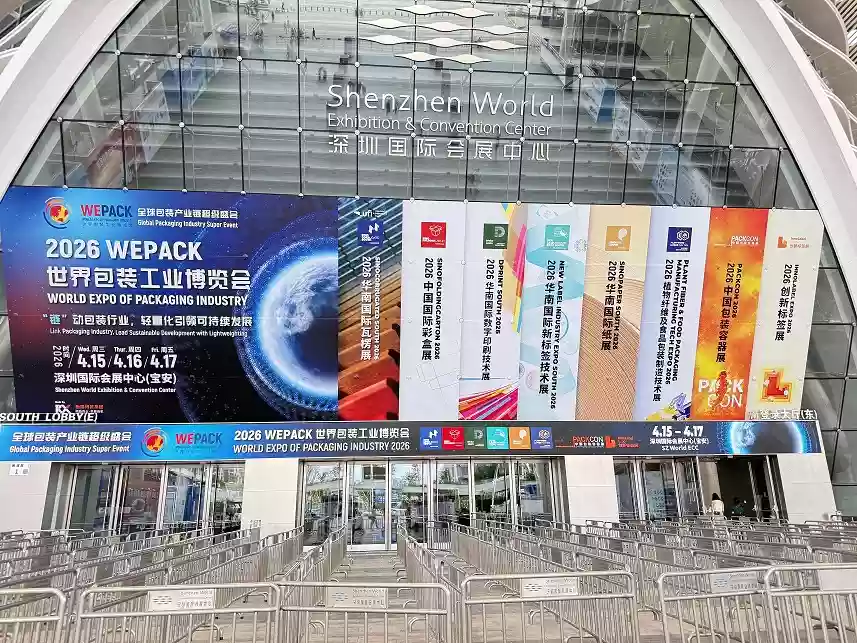
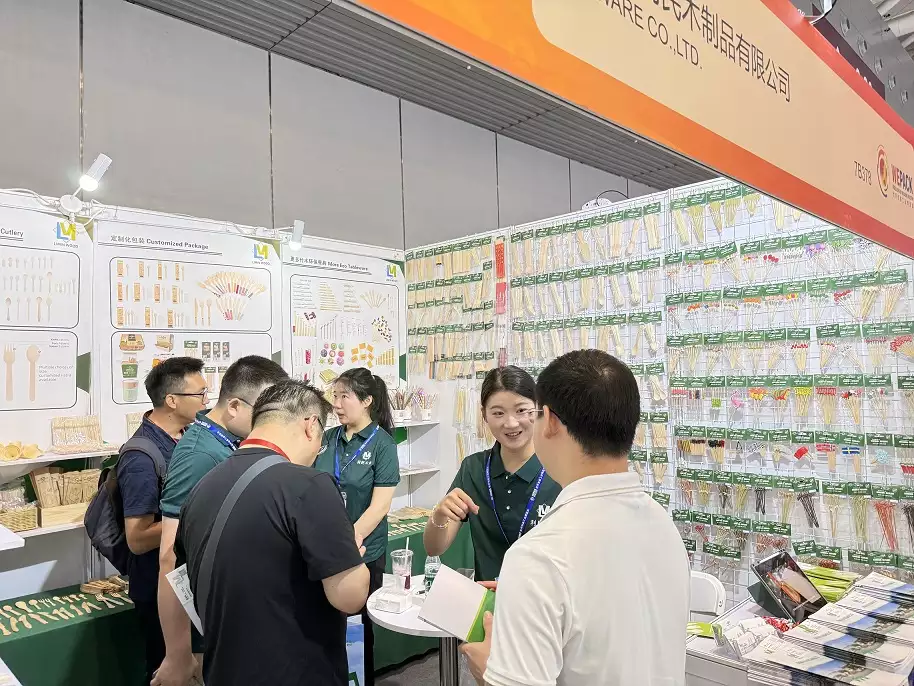
At WEPACK 2026, eight out of ten European buyers opened with the same question: does your documentation hold up under the EU Packaging and Packaging Waste Regulation’s mandatory traceability clauses? “Biodegradable” — that single word that carried entire marketing campaigns for a decade — no longer passes customs scrutiny on its own.
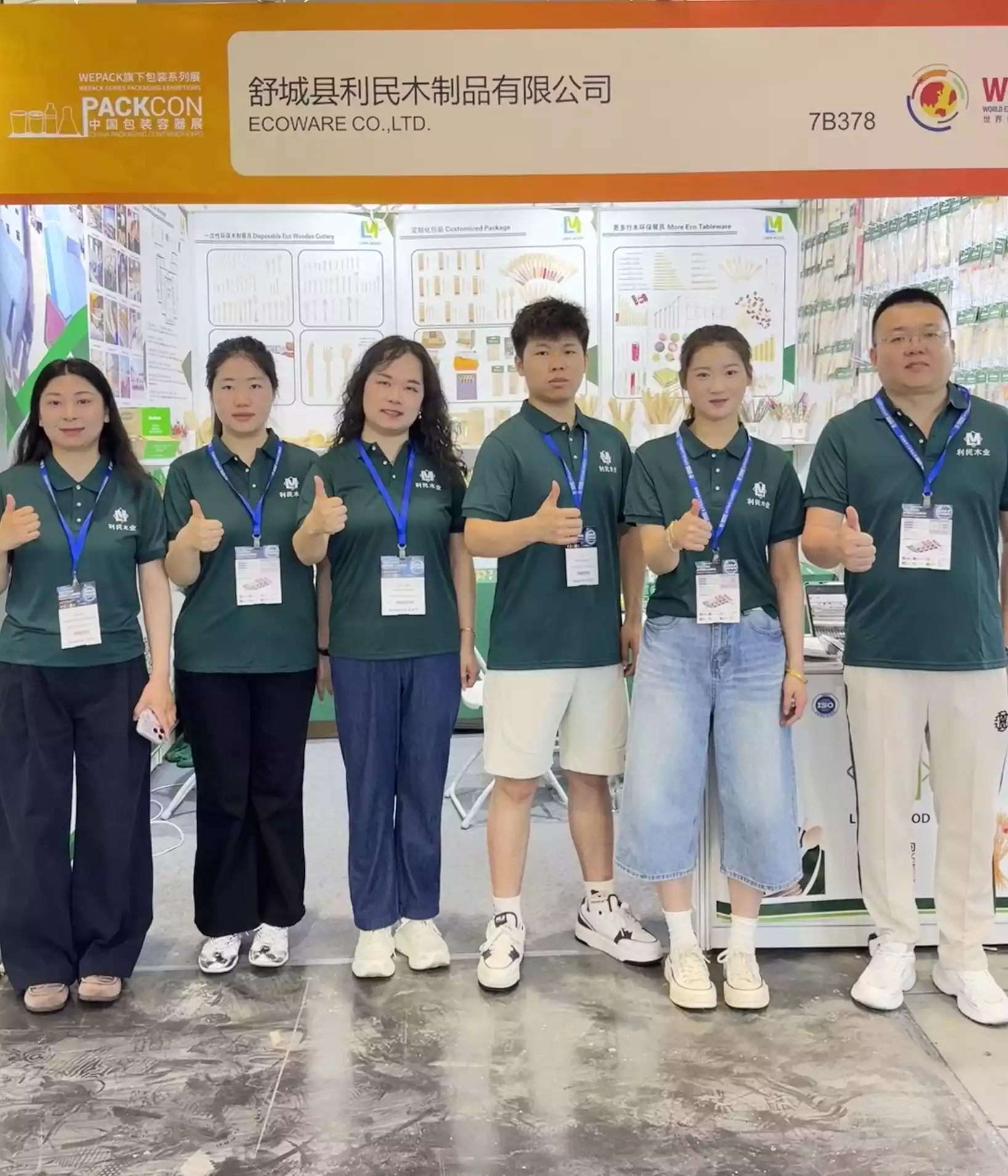
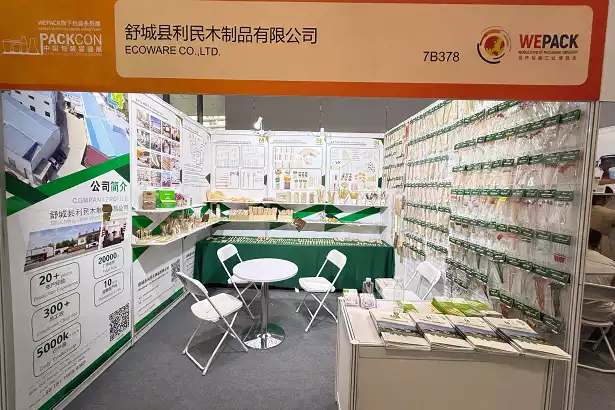
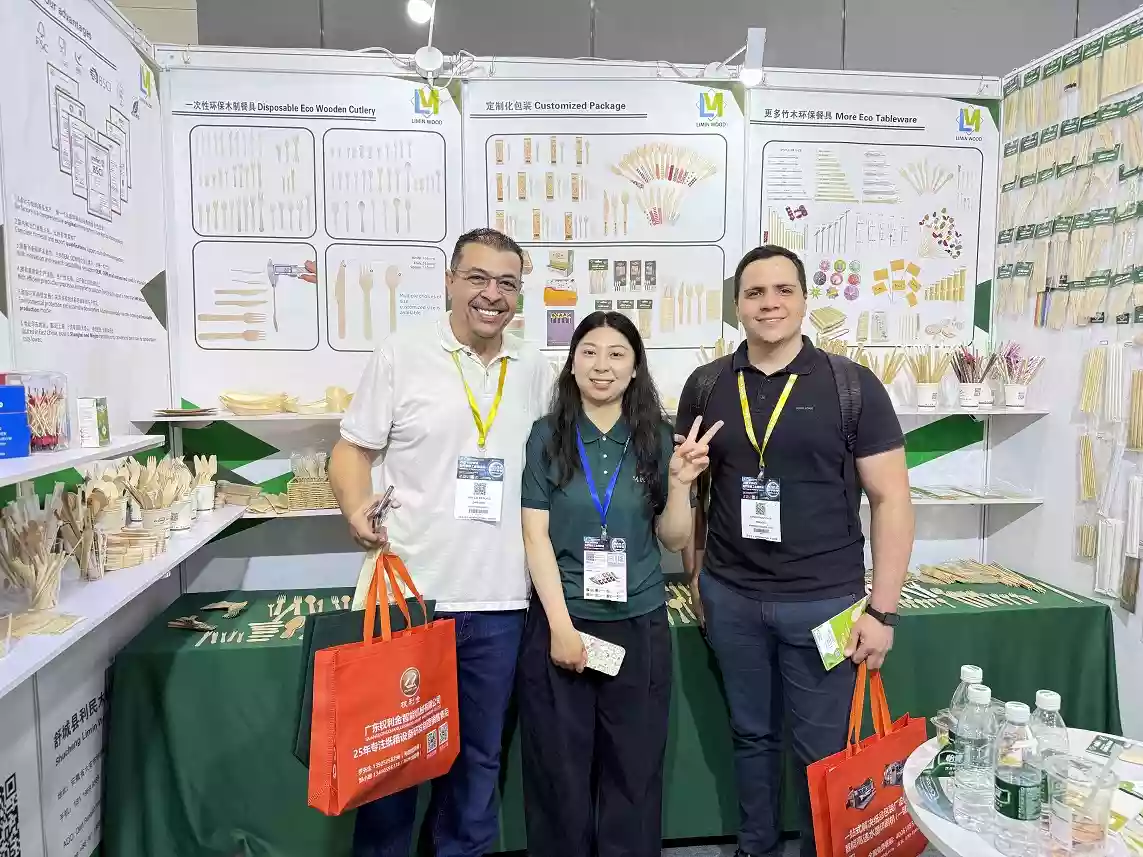
I spent three consecutive days at our exhibition stand fielding procurement directors from Germany, the Netherlands, and France. The question was almost verbatim every time: “Can your paperwork actually support a 2026 clearance?” The era of clearing a container on a single SGS report is over.
PPWR requires importers to document the full compliance chain — from raw material harvest to FOB departure — with verifiable evidence at every node. This is the new baseline, not an edge case.
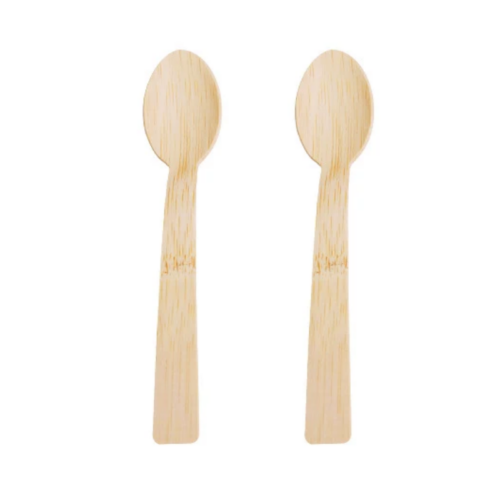
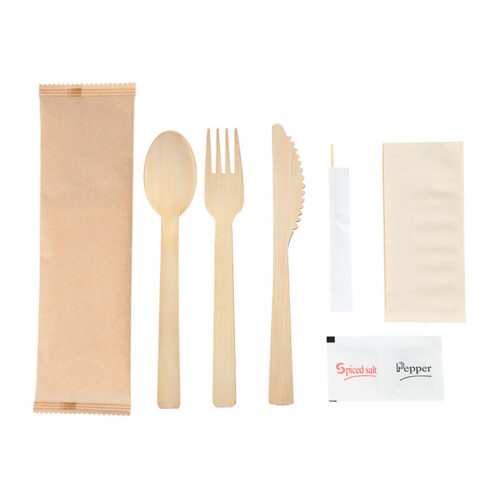
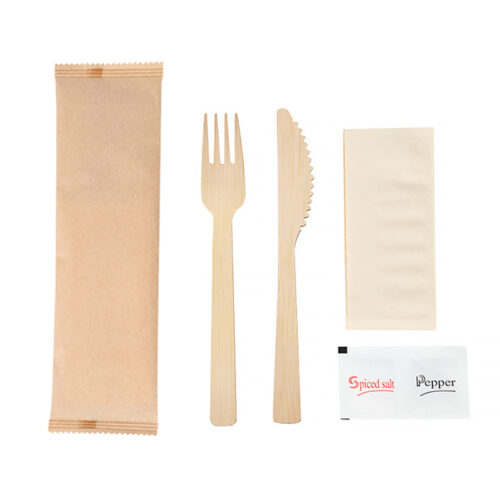
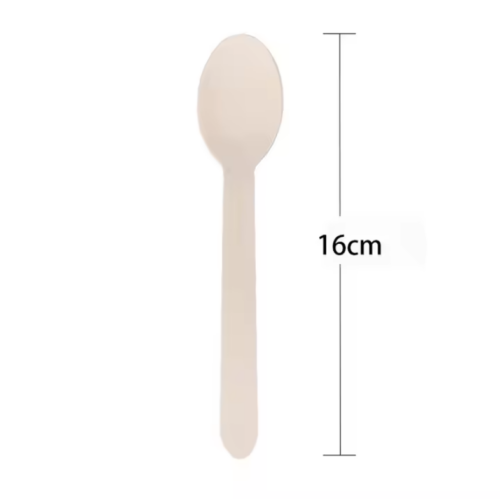
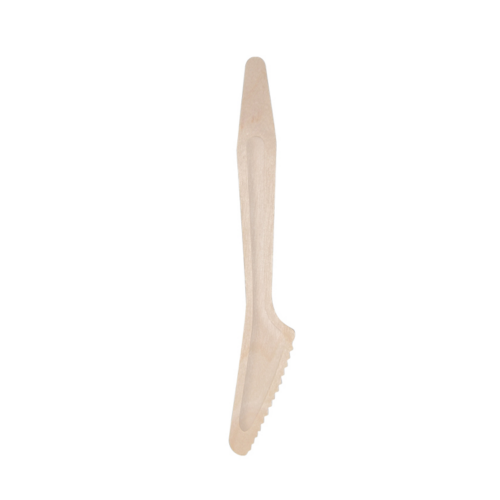
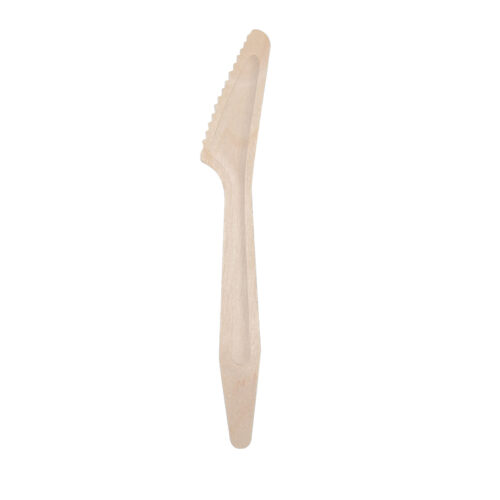
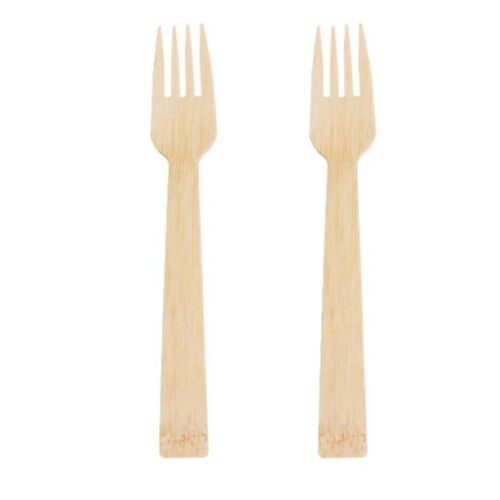
→ Explore EcoWareTech’s FSC-certified bamboo cutlery range
What Three Documents Must You Provide EU Customs When Importing Chinese Bamboo Tableware?
A complete 2026 clearance requires all three simultaneously: FSC Chain-of-Custody certification, a PFAS-Free laboratory report from an EU-recognized testing body, and a valid EPR registration number for your target member state. Missing one multiplies your risk. Missing two is operationally equivalent to holding your cargo at origin.
Here is the exact specification for each document:
- FSC Chain-of-Custody Certificate Issuing bodies: FSC International (info.fsc.org), Bureau Veritas, SGS, or another FSC-accredited certification body Critical detail: The certificate scope must explicitly list bamboo tableware or bamboo food-contact products. A generic FSC certificate covering timber does not extend to bamboo cutlery — this is the single most common documentation error we see from first-time EU importers.
- PFAS-Free Laboratory Test Report Issuing bodies: SGS, Intertek, or Eurofins — all must hold EU-recognized laboratory accreditation (EN ISO/IEC 17025) Critical detail: The test scope must cover the full OECD 218-compound PFAS list. Reports covering only 10–15 compounds are technically incomplete and will not satisfy a German or Dutch customs inspector conducting a full compliance review in 2026.
- Target-Country EPR Registration Number Registering party: The EU-based importer or their authorized representative Critical detail: Germany requires registration on the LUCID platform. France requires registration through CITEO. These systems are not interoperable — you must register separately in each member state where your product enters the market.
How Do You Verify Online Whether a Chinese Supplier’s FSC Certificate Is Genuine?
Go to info.fsc.org, enter the certificate number, and you have your answer in 30 seconds. Fraudulent certificates either return no result or display a scope that contradicts what the supplier claimed.
In 15 years, I have encountered no fewer than 20 instances of FSC certificate fraud. The two dominant methods: first, using a real certificate number for timber that the supplier claims also covers bamboo products — it does not; second, a straightforward document edit to extend the expiry date. Both are immediately exposed by the public database.
When checking, focus on three fields: Certificate Number, Scope, and Expiry Date. If a supplier declines to provide the certificate number for independent verification, treat that as a disqualifying signal — not a yellow flag, a red one.
→ See how EcoWareTech maintains its FSC Chain-of-Custody documentation
What Are the Viable Zero-PFAS Alternatives for Oil and Water Resistance in Bamboo Tableware?
EcoWareTech and a small number of other source factories have replaced PFAS coatings entirely using high-density physical polishing combined with natural plant-wax compression moulding — fully fluorine-free, verified by Eurofins full-panel testing, and already in mass production. This isn’t a marketing claim. This is a specification backed by customer acceptance reports from three EU clients.
The current market options, ranked by commercial readiness:
| Technology | Oil Resistance | Max Temp | PFAS Compliant | Production Readiness |
|---|---|---|---|---|
| High-density polish + plant-wax moulding | ★★★★☆ | 120°C | ✅ Fully fluorine-free | High — mass production |
| Silicone-based food-grade coating | ★★★☆☆ | 100°C | ✅ Fluorine-free | Medium — partial production |
| Bamboo fibre densification press | ★★★★★ | 150°C | ✅ Fluorine-free | Low — small batch only |
| Traditional PFAS fluoropolymer coating | ★★★★★ | 180°C | ❌ Prohibited | Banned from EU market |
Do not accept verbal assurances of “PFAS-free” from any supplier. Require the laboratory report, and check the number of PFAS compounds covered. Anything under 100 compounds tested is insufficient for a 2026 EU compliance file.
What Is the Real Financial Damage of Failing to Register for EU EPR?
Unregistered EPR means your goods cannot clear customs, 100% of the return shipping cost falls on the importer, and in Germany and France you face fines that can reach hundreds of thousands of euros. In 2025, at least one Chinese supplier’s European buyer lost over €1 million EUR due to this single compliance gap.
Germany’s Packaging Act (VerpackG) is unambiguous: every importer of single-use packaging products into the German market must complete LUCID registration before first import. A consumer complaint or a competitor report is sufficient to trigger the enforcement mechanism immediately — there is no grace period once your goods are on shelf.
One more point suppliers routinely obscure: EPR registration is the legal obligation of the EU importer, not the Chinese manufacturer. This distinction matters because it means your supplier cannot register on your behalf — but a good source factory can provide an authorized representative service to facilitate the process.
How Does a Source Factory Provide LCA Carbon Data That Actually Works for 2026 Carbon Tariff Compliance?
A compliant LCA report must cover Scope 1, Scope 2, and Scope 3 emissions from raw bamboo harvest through to FOB port departure (Cradle-to-Gate) — not a logo that says “carbon neutral.” The EU Carbon Border Adjustment Mechanism (CBAM) currently targets steel, aluminium, and cement, but ESG supply chain audit requirements have already reached bamboo tableware procurement contracts at major European QSR chains.
We began providing ISO 14040/14044-standard LCA reports to key clients last year. The data architecture covers: bamboo plantation carbon sequestration offset, factory energy consumption broken down by coal, gas, and grid electricity, packaging material emissions, and domestic logistics carbon from the factory gate to Shanghai port. Clients take this data directly into their own ESG reports without secondary verification.
A trading company cannot provide this. They do not know which factory produced the goods.
When Customs Conducts a Spot Audit, What Is the Fundamental Difference Between a Source Factory and a Trading Company?
A source factory can produce complete batch-level traceability documentation — raw material purchase invoices, production scheduling logs, and dispatch records — within 72 hours. A trading company typically needs three to four weeks. EU customs generally allows five to ten working days to respond. That gap determines whether your cargo is released or seized.
Supply Chain Risk Collision Matrix: Full-Compliance Source Factory vs. Multi-Tier Trading Company
| Risk Dimension | Full-Compliance Source Factory | Multi-Tier Trading Company |
|---|---|---|
| Raw material traceability | Own purchase records, traceable to bamboo grove batch | Dependent on Tier 2 supplier, chain breaks under audit |
| FSC certificate verification | Self-held certificate, precise product scope | Borrows another factory’s certificate, scope ambiguous |
| PFAS testing | Per-batch in-house + third-party spot testing | Single test report, does not cover production batches |
| EPR support capability | Provides authorized representative service | Unfamiliar with EU regulations, unable to assist |
| Customs spot audit response | Complete documentation within 72 hours | 3–4 weeks — exceeds customs response window |
| LCA carbon data | ISO 14040/14044 report available | Cannot provide factory-level data |
| Emergency re-certification response | Same-day response, direct contact with certification body | Multi-layer relay, timeline uncontrollable |
Print this table and use it as a live evaluation tool at your next supplier review meeting.
→ Request a sample and compliance document package from EcoWareTech
What Is the Critical HS Code Difference Between Bamboo and Wood Cutlery for EU Customs Declaration?
Bamboo products and wood products are classified under separate HS Codes in the EU customs system — misclassification causes incorrect tariff rates and directly triggers a manual customs review. Suppliers who bundle both under “wooden tableware” are handing customs inspectors a reason to hold your shipment.
The correct classifications:
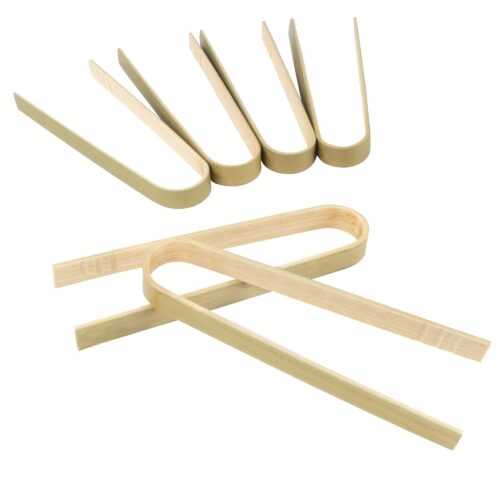
- Disposable bamboo cutlery: HS Code 4602.19 (plaited articles and other articles of vegetable materials, including bamboo) — verify the 10-digit national subheading with your customs broker at destination
- Disposable wood cutlery: HS Code 4419.90 (tableware and kitchenware of wood)
- Penalty for misclassification: Back-payment of tariff differential, late fees, and flagging of subsequent shipments for priority inspection
Require the complete 10-digit HS Code on the commercial invoice and packing list before shipment — not the 6-digit heading. The 10-digit subheading is where classification disputes are decided.
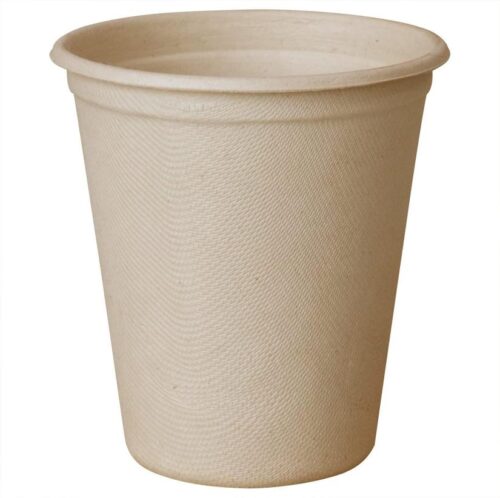
Pulp Moulding vs. Bamboo Tableware: Which Passes European High-Oil, High-Temperature Food Testing More Easily?
At 100°C with heavy oil contact, high-density bamboo tableware deforms significantly less than pulp moulding — and carries no risk of chemical anti-grease agent violations. This test has become a standard line item in EU QSR chain supplier qualification audits.
Pulp moulding’s core structural problem in 2026: achieving oil resistance requires either PFAS coatings (now banned) or alternative chemical treatments that are under increasing EU scrutiny. Bamboo has inherent hydrophobic properties at the cell-wall level. With physical polishing, it achieves oil resistance in standard test conditions without any chemical treatment — a cleaner compliance pathway with no regulatory moving parts.
Our internal comparative data: under identical wall thickness, a bamboo bowl immersed in 85°C pork-bone broth for 20 minutes deformed by less than 0.3mm. The equivalent pulp-moulded piece deformed by more than 2mm and showed active liquid penetration.
Pre-Order Mandatory: The Definitive Supplier Compliance Self-Audit Checklist
Make “dedicated compliance officer on staff” and “acceptance of unannounced third-party factory audits” your two non-negotiable first-round filters. Apply these two criteria and roughly 70% of suppliers in the current market self-select out.
Send this checklist to any potential supplier at the inquiry stage — before pricing discussions begin:
- ☐ Is the FSC certificate verifiable in real time at info.fsc.org, with scope explicitly covering bamboo tableware? (Yes → proceed / No → immediate disqualification)
- ☐ Is the PFAS-Free report issued by SGS, Intertek, or Eurofins, covering the full OECD 218-compound list? (Yes → proceed / No → demand supplementary testing before quoting)
- ☐ Can the supplier provide documented EPR registration support, including a reference case from an existing EU client? (Yes → strong positive signal / No → high-risk flag)
- ☐ Does the supplier accept unannounced factory audits commissioned by the buyer at any time? (Yes → proceed with confidence / No → walk away)
- ☐ Can the supplier provide customs clearance records from Rotterdam or Hamburg within the past 12 months? (Yes → prioritize / No → require explanation before proceeding)
→ Download the complete compliance document checklist from EcoWareTech or contact our trade compliance team directly for a sample documentation package.
David Wang · EcoWareTech Co-Founder · Last updated: April 2026 All regulatory figures cited reflect publicly available EU legislation and EcoWareTech’s operational records as of Q1 2026. Consult a licensed customs broker for jurisdiction-specific HS Code determinations.