We joined this delegation with one specific question: which Indonesian channels are actually ready to buy wooden and bamboo disposables — and what does it realistically take to get there?
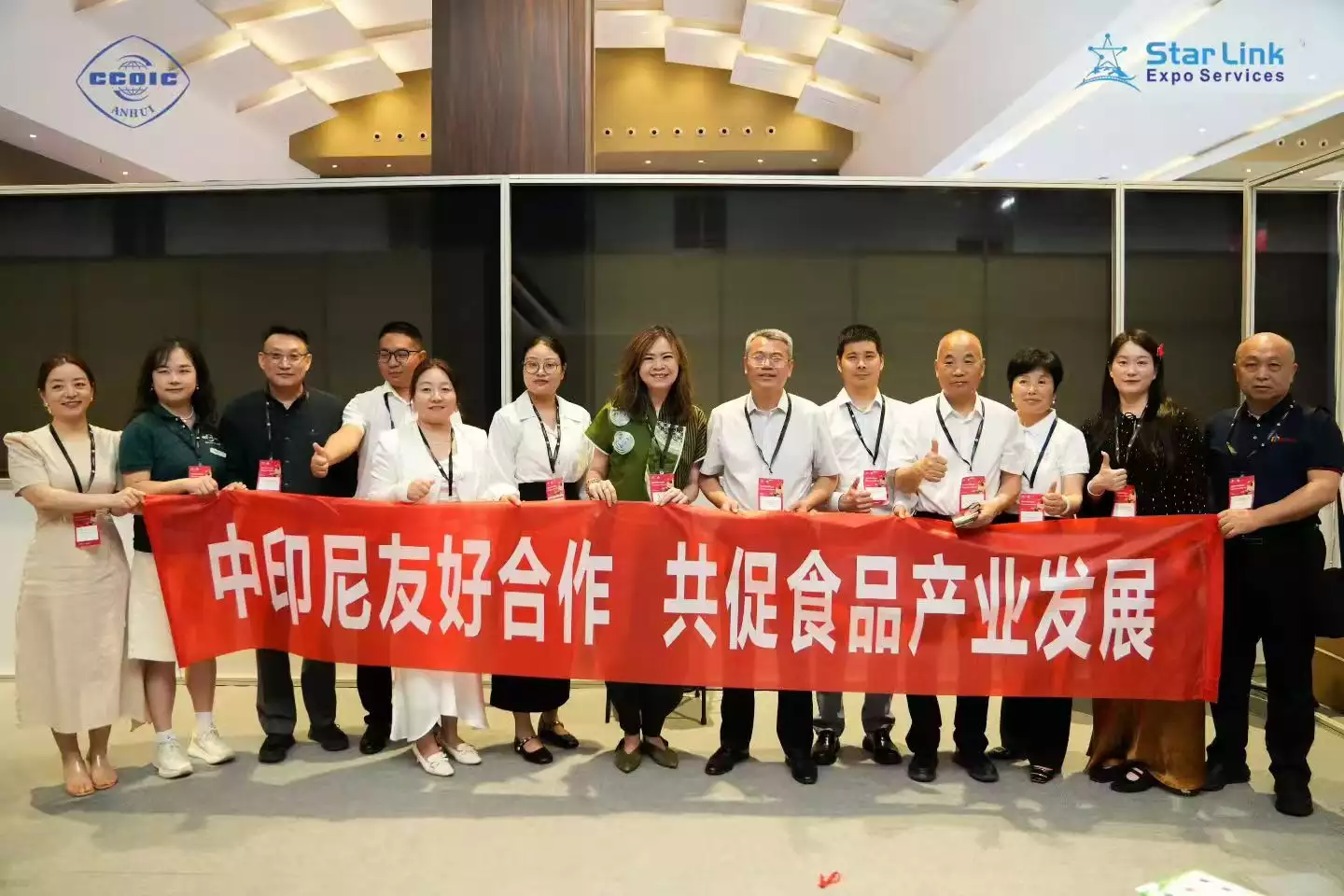
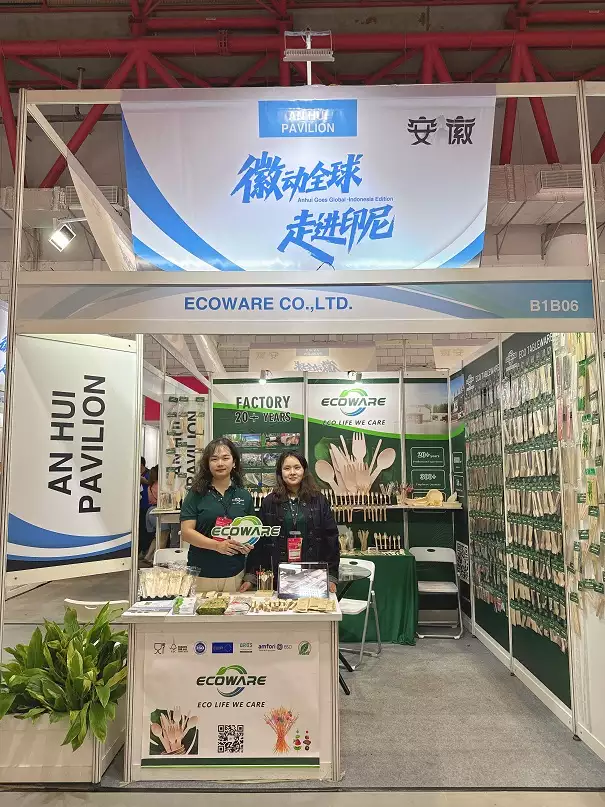
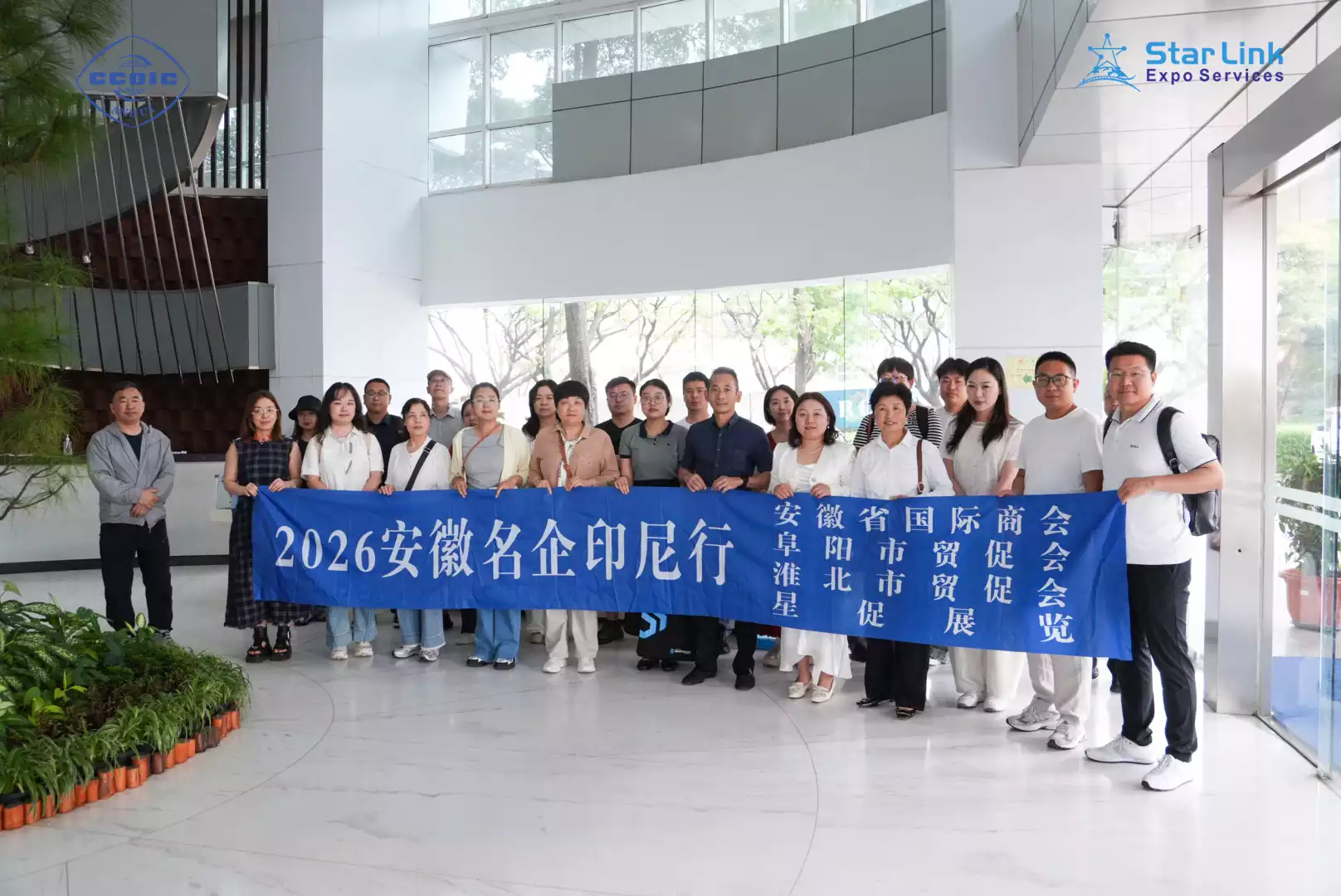
Ecoware participated in the 2026 Anhui Famous Enterprise Indonesia Trade Mission, a five-day program organized by CCOIC Anhui, Fuyang CCPIT, and delivered by Star Link Expo Services. The mission covered five core institutions across hotel & food industry, chamber of commerce, brand benchmarking, retail, and industrial development. This article documents what we found — institution by institution, with the product-level detail that matters to buyers.
MISSION OVERVIEW
Five Stops, Five Channel Types: The Indonesia Market Map for Wooden & Bamboo Tableware
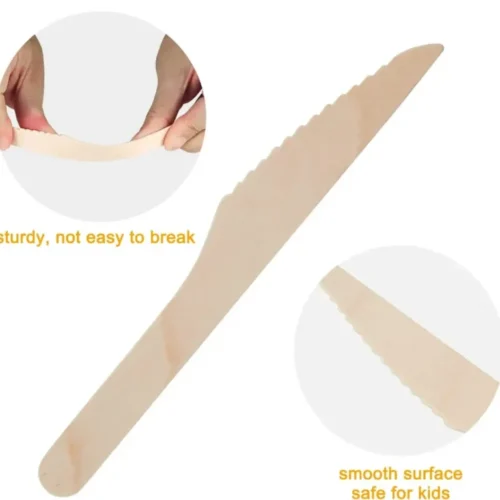
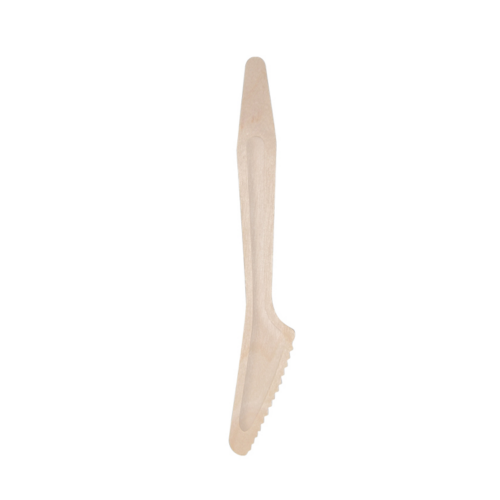
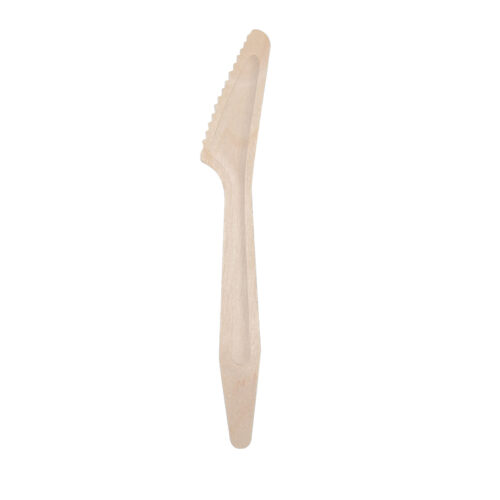
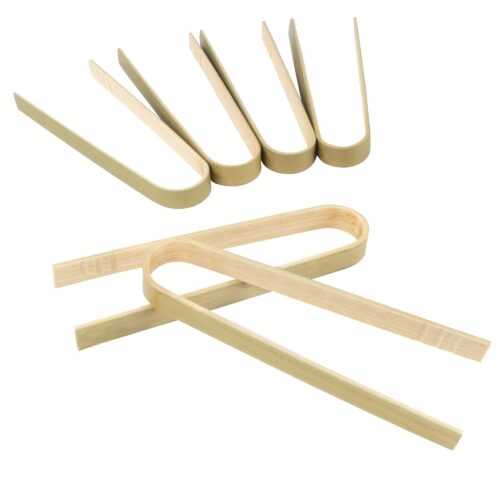
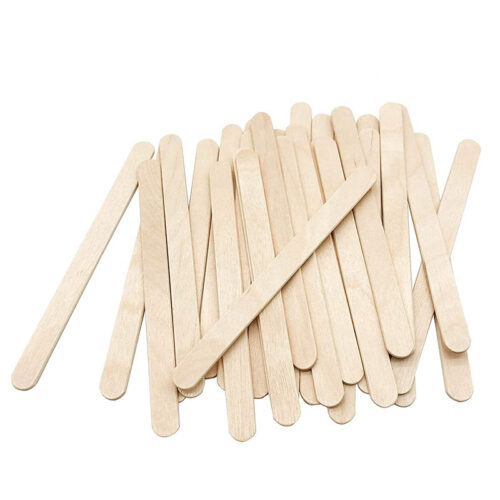
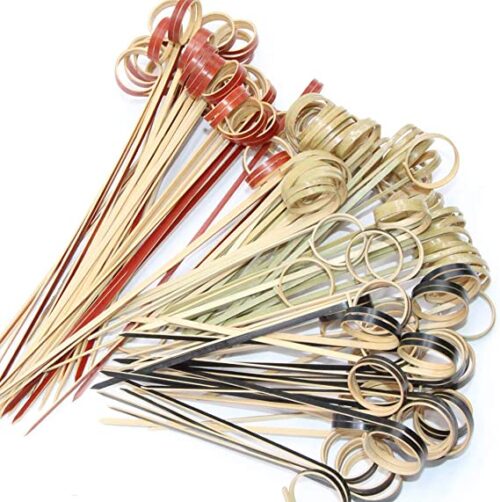
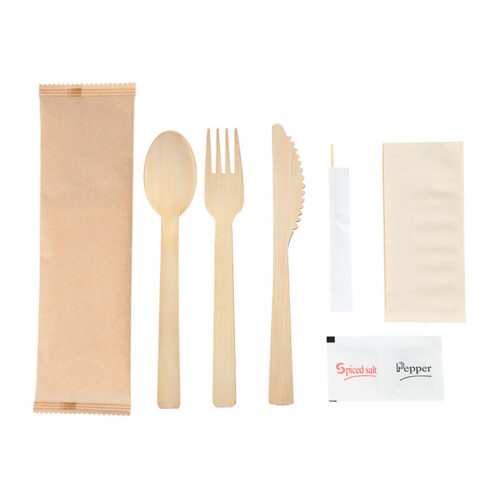
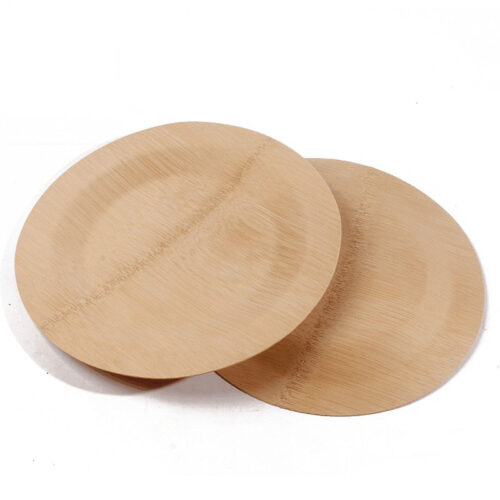
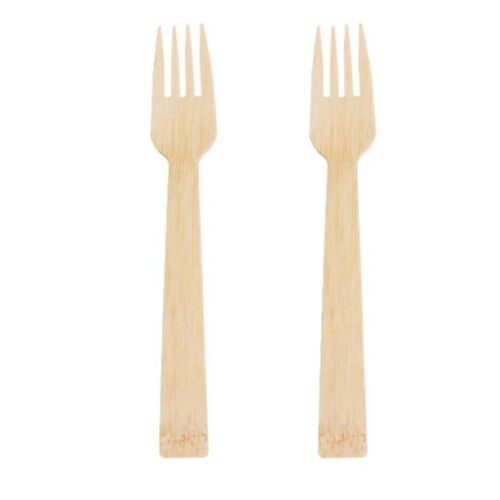
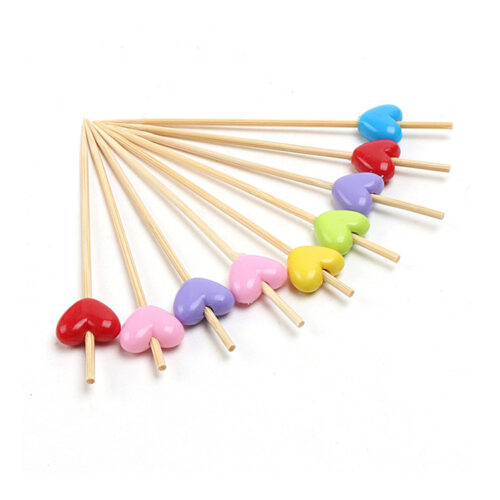
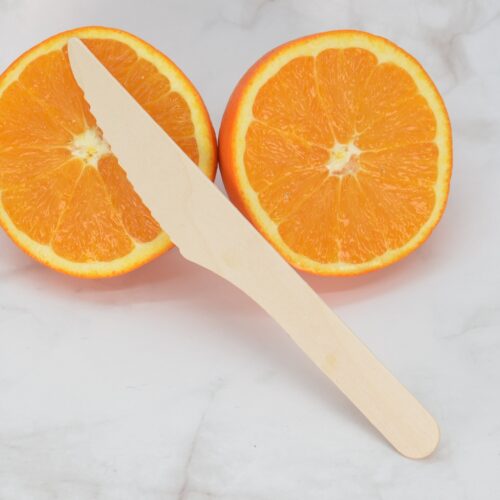
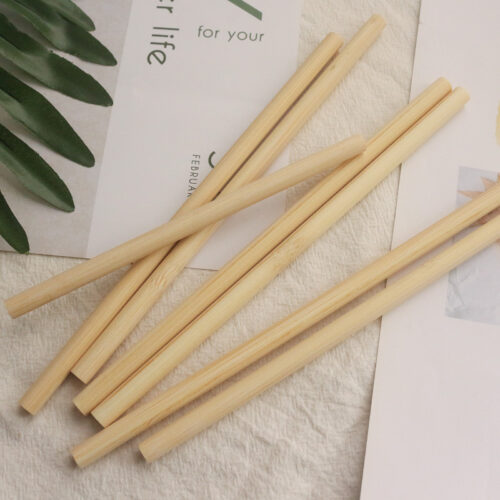
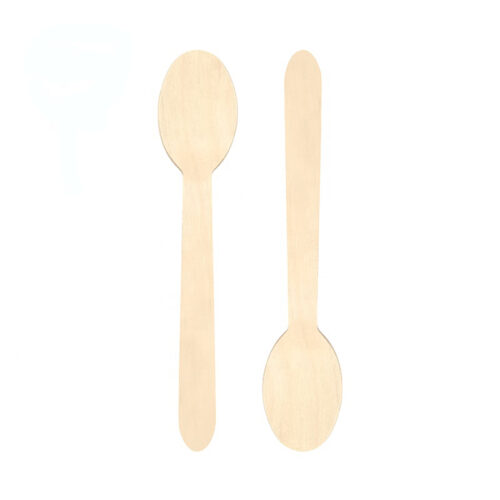
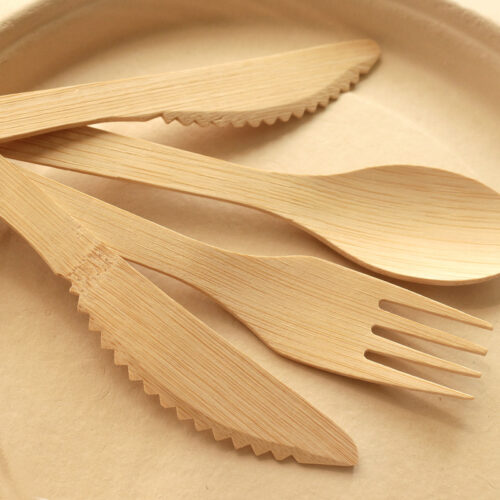
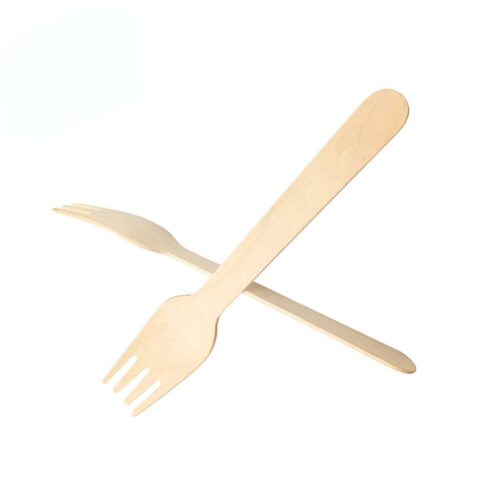
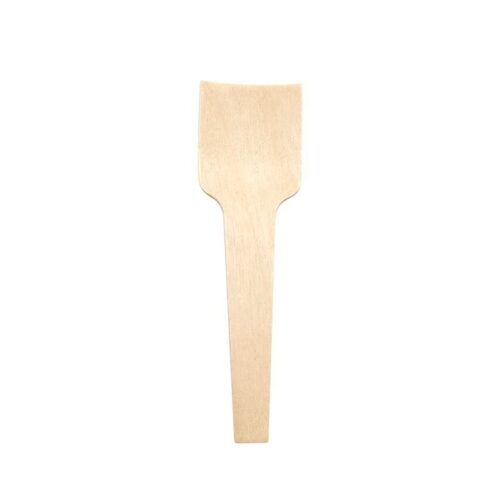
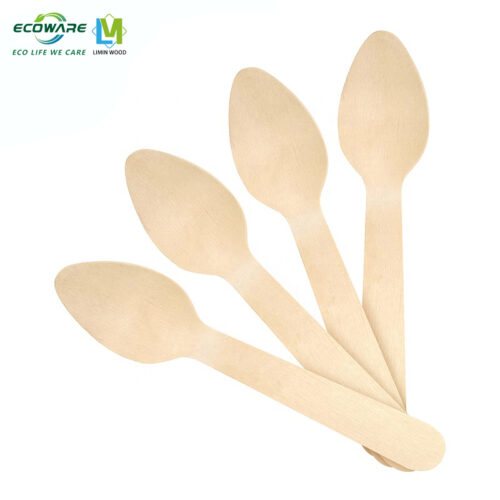
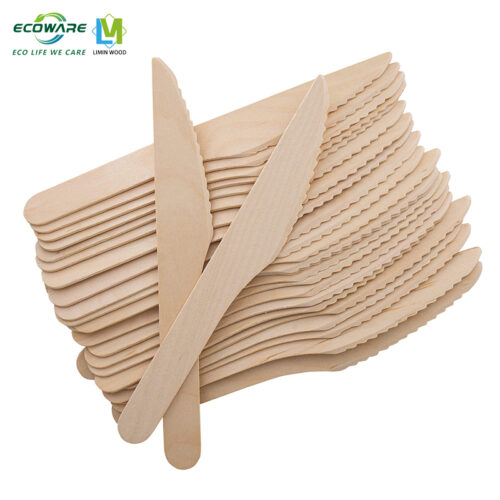
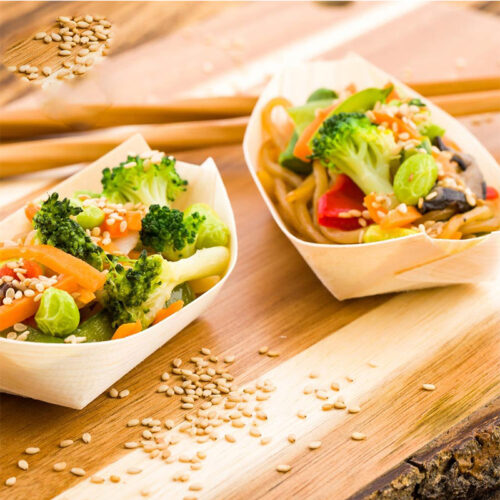
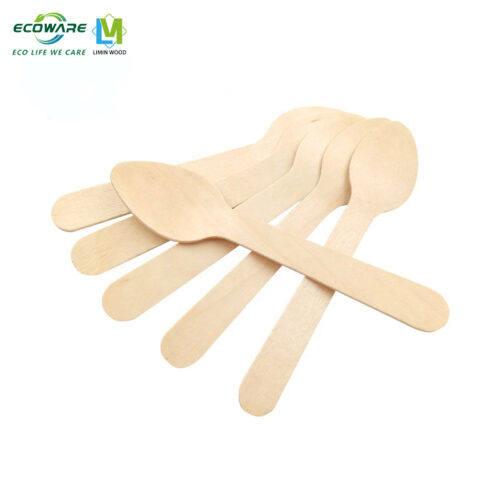
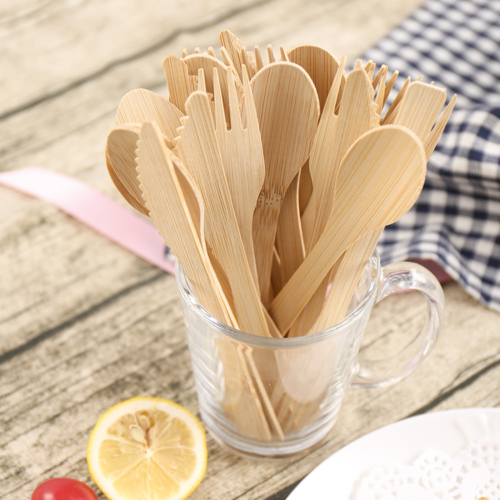
A quick note on product context before the channel breakdown. In Indonesia, the disposable tableware market is dominated by wooden products — wooden spoons, wooden forks, wooden knives, and wooden ice cream spoons are the highest-volume categories. Bamboo chopsticks and bamboo skewers (BBQ sticks) also have strong local presence, particularly in foodservice and street food. Bamboo straws, by contrast, remain niche. This shapes how we approached each channel visit and what we were evaluating for.
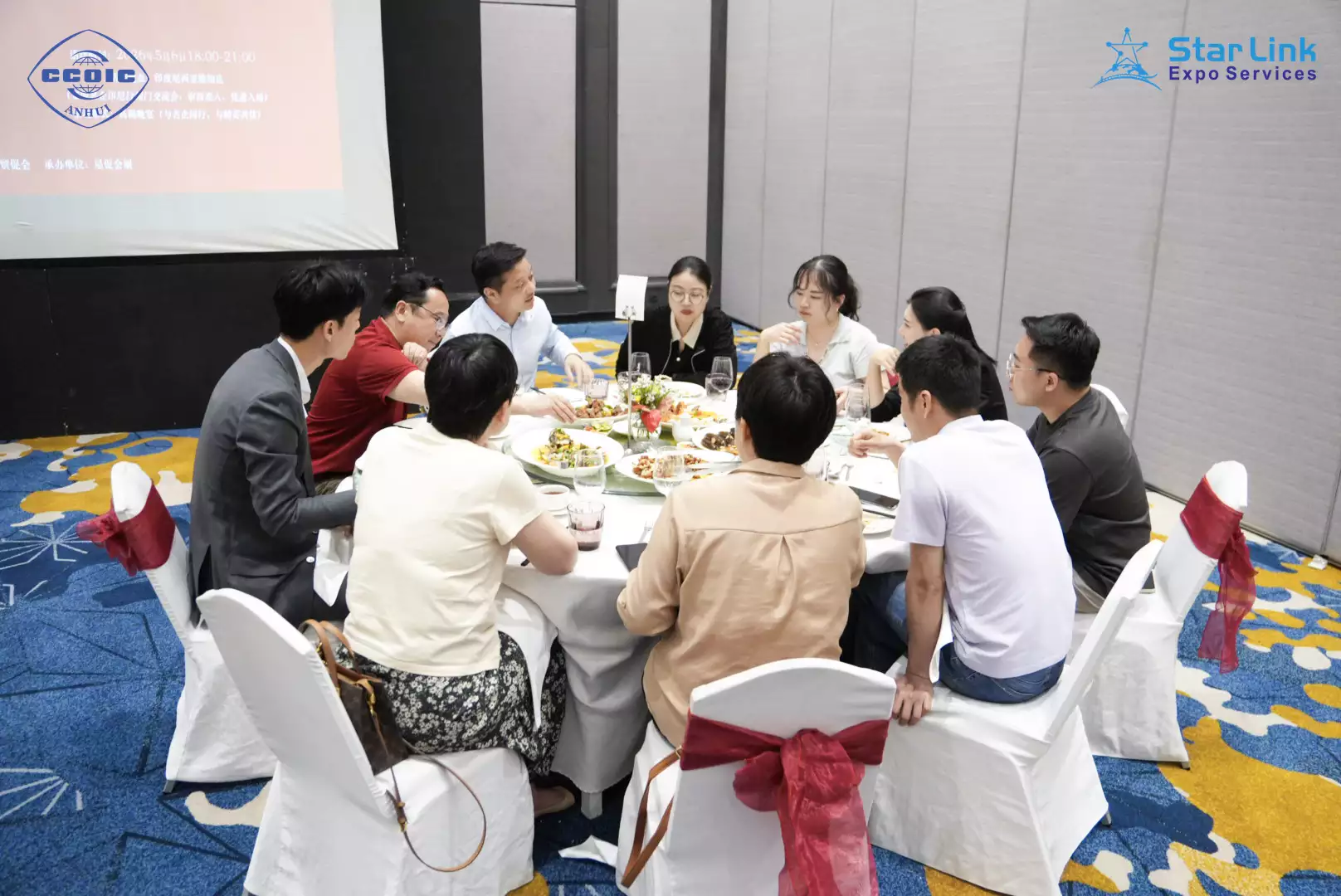
| Channel | Who We Met | Appetite for Wood Products | Key Barrier | Est. Timeline |
| Hotel & Foodservice | Indonesian Hotel & Food Association | Strong — transitioning away from plastic | Eco-certification + custom packaging | 3–6 months |
| Tea & Beverage Chains | TIANLALA Indonesia HQ (~300 outlets) | Growing — wooden spoons & stirrers for premium line | Supply consistency + mid-high positioning | 6–9 months (sample eval) |
| Retail Supermarket | Grand Lucky Supermarket (Pak. Anto) | Moderate — Chinese-import wood products on shelf | BPOM registration + Bahasa packaging | 12+ months |
| Industrial / Mfg. | Suryacipta Industrial Park (Karawang) | Infrastructure ready | CapEx-heavy — medium-term option only | 3+ years |
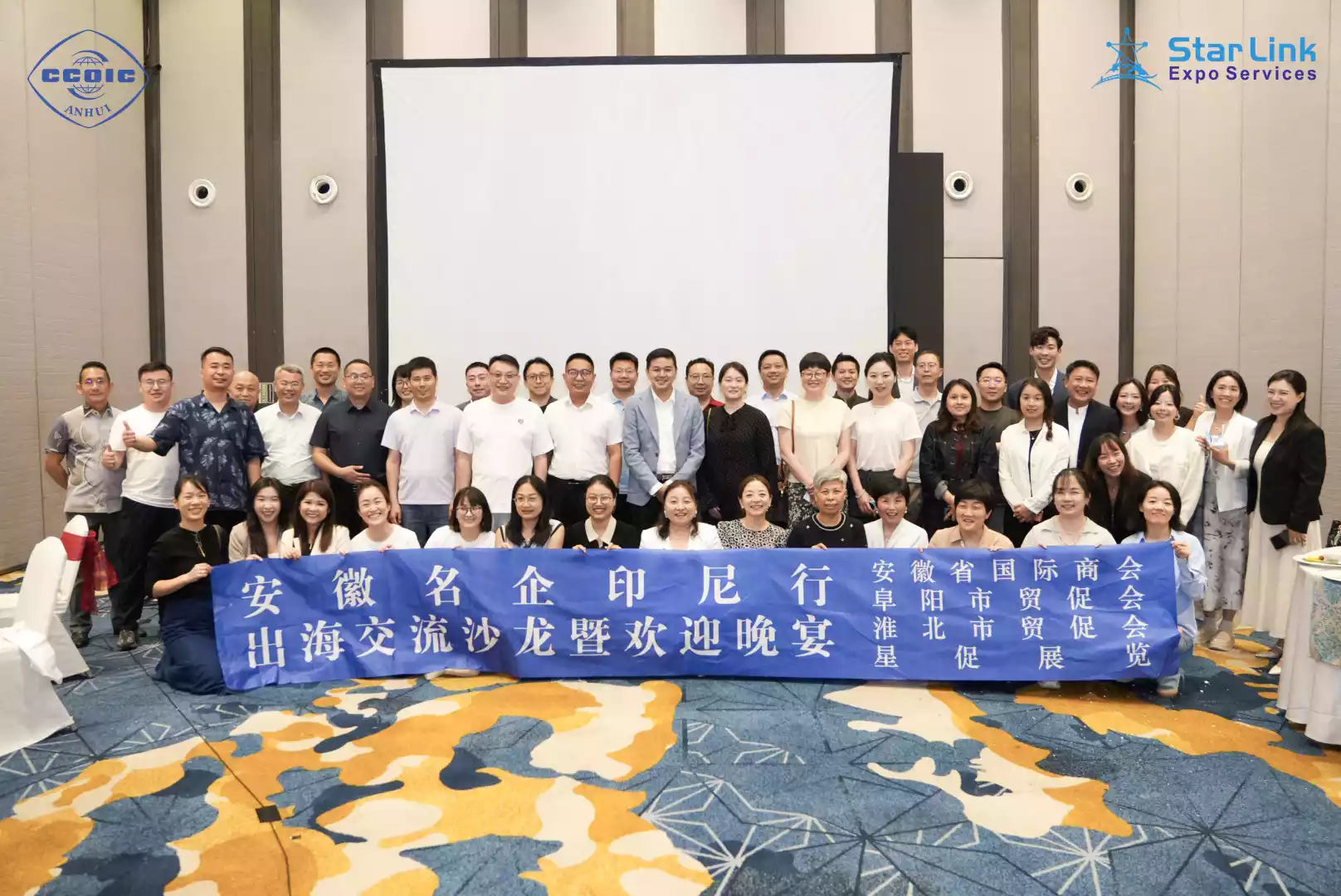
DAY 1 · MAY 7, 2026
Visit 01 — Indonesian Hotel and Food Association: Anhui Food Enterprises Establish Formal Cooperation Channel
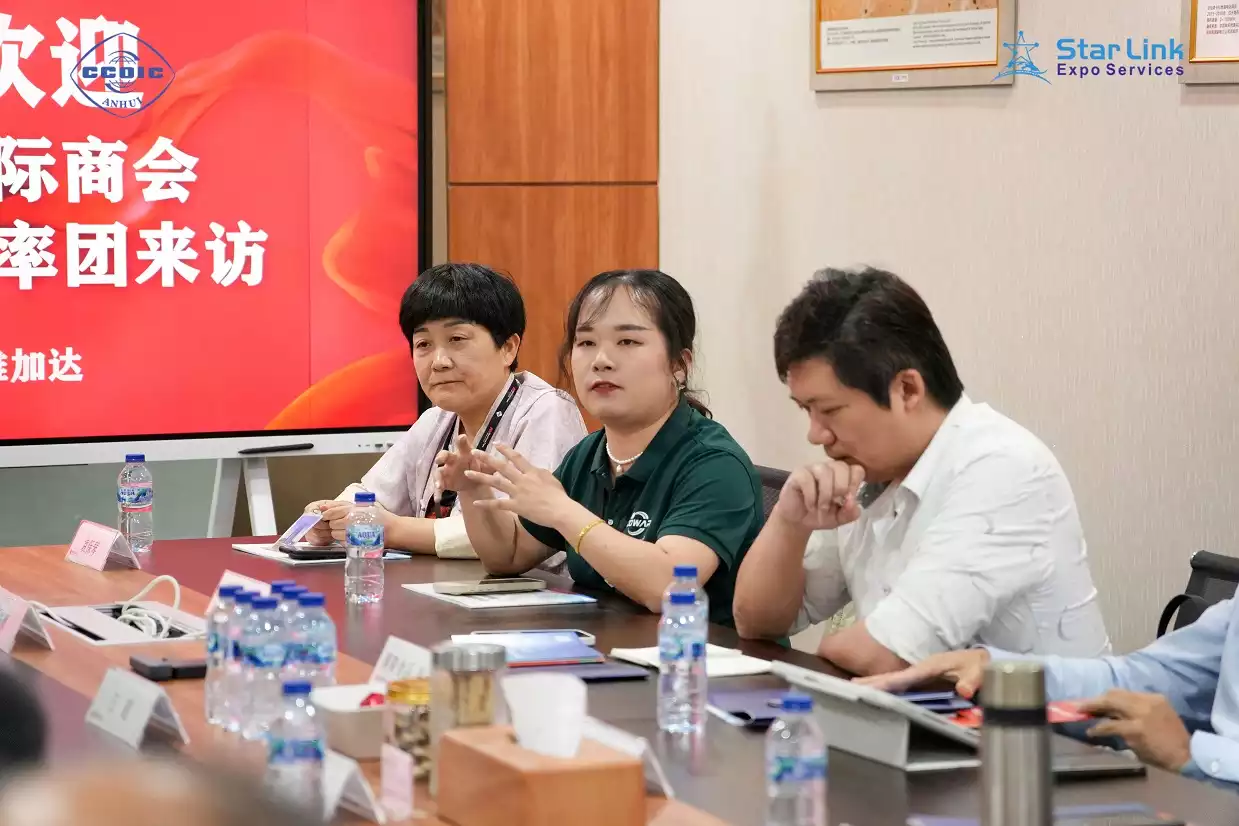
The first stop set the regulatory and trade context for the entire mission. Ecoware’s delegation held an in-depth roundtable with the Indonesian Hotel and Food Association, covering three areas: Indonesia’s food industry market access standards, current procurement needs in the hotel and restaurant sector, and the characteristics of local supply chain infrastructure — particularly around disposable tableware categories.
A tangible institutional outcome came out of the session. Led by the Anhui Chamber of Commerce, a group of leading Anhui food and hotel industry enterprises in the delegation formally established a cooperation intention with the Indonesian Hotel and Food Association. The framework covers food standards alignment, supply chain interconnection, and procurement matching — creating an ongoing, official channel for Anhui-based manufacturers to reach Indonesian hospitality buyers directly.
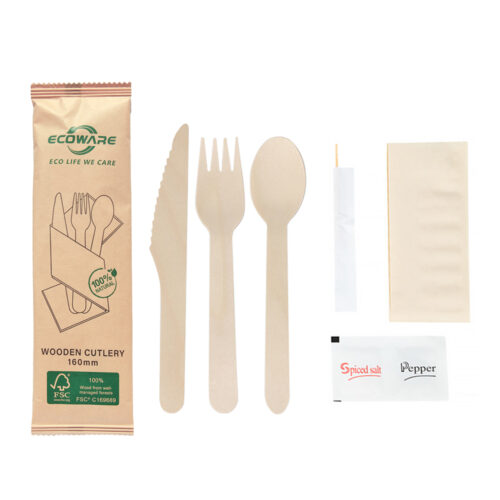
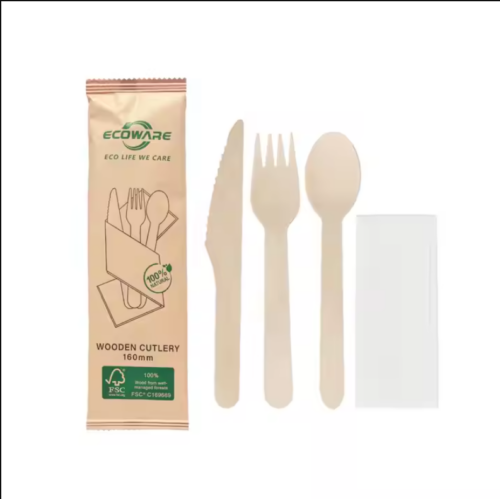
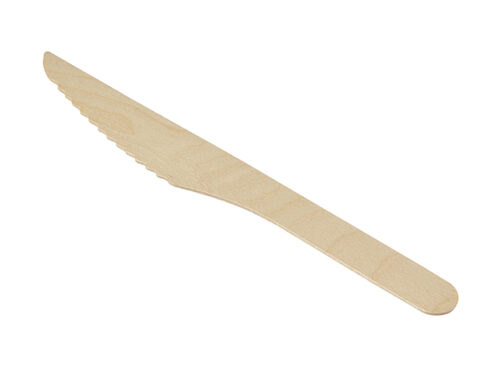
From a product standpoint, the discussion confirmed what Ecoware had expected: Indonesian hotels and restaurants are the primary end-market for wooden spoons, wooden forks, wooden knives, and wooden cutlery sets. The hotel buffet and room-service contexts demand presentation quality — and wooden disposables, particularly wooden spoons for desserts and wooden ice cream spoons, consistently outperform plastic on perceived quality at comparable cost. Bamboo chopsticks are a standard procurement item across Chinese, Japanese, and Korean restaurants in the hotel sector.
What This Means for Wooden Tableware Suppliers
🌿 Key Outcomes from the Hotel & Food Association Meeting
- Formal cooperation established: Anhui Chamber of Commerce led group of leading Anhui F&B enterprises signed a cooperation intention with the Indonesian Hotel & Food Association, covering standards, supply chain, and procurement matching
- Official channel now open: Anhui food and tableware manufacturers can now approach Indonesian hospitality buyers through the association framework — not cold outreach
- Priority SKUs for hotel channel: Wooden spoons, wooden forks, wooden cutlery sets, wooden ice cream spoons — presentation quality matters; bamboo chopsticks for Chinese/Japanese/Korean F&B
- Procurement insight: Hotels actively replacing plastic disposables; wooden products score higher on table presentation than paper alternatives at equivalent price points
DAY 2 · MAY 8, 2026
Visit 02 — Indonesian Chinese Chamber of Commerce (ICICL): Policy Framework and the Anhui Enterprise Working Group
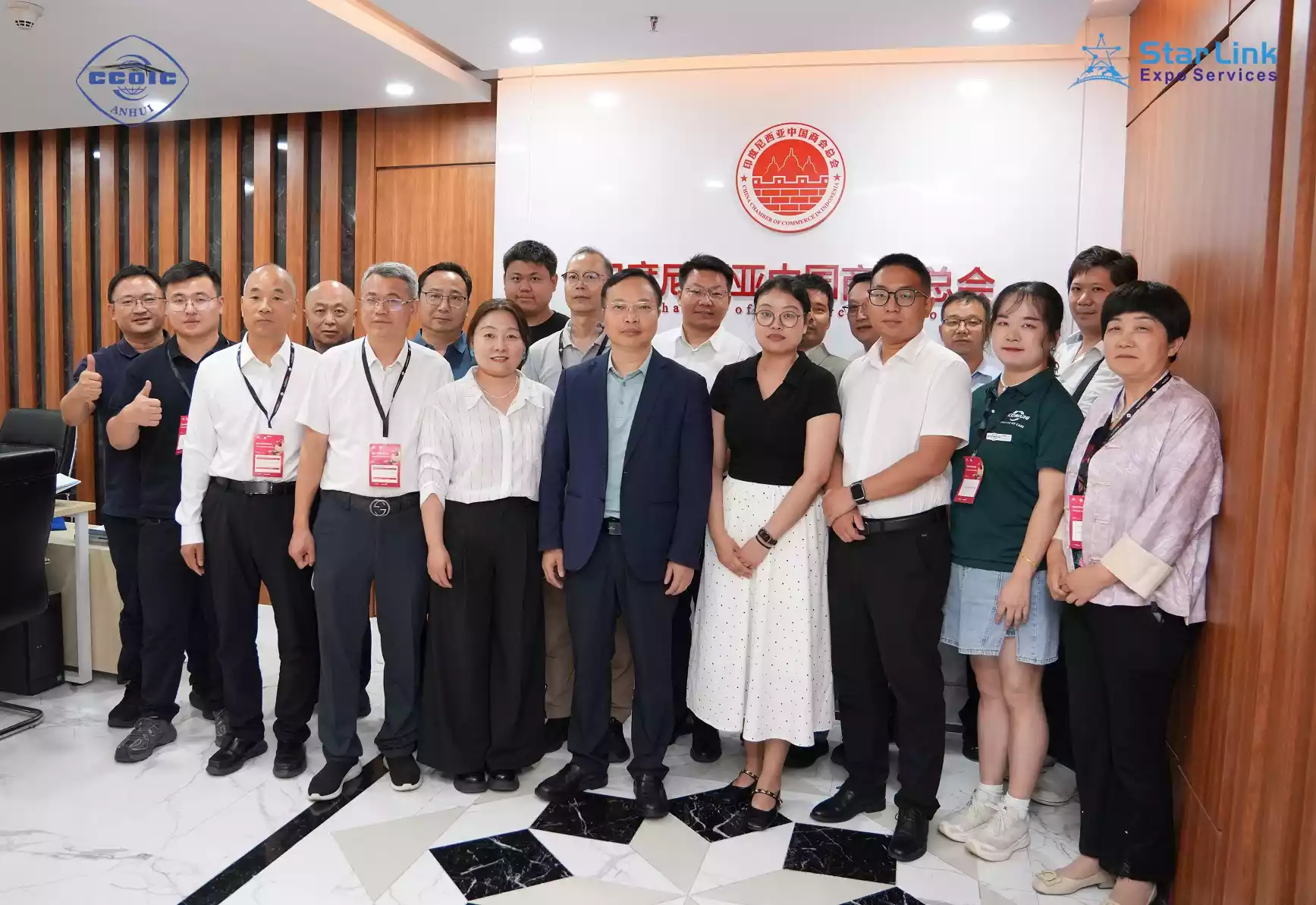
The delegation visited ICICL headquarters with the Anhui Provincial Chamber of Commerce. Secretary-General Huang Ruijin received the group and spent the better part of two hours on the practical realities of market entry — covering current China-Indonesia trade policy, the service and protection framework for Chinese enterprises operating locally, and the specific policy support available for Anhui companies establishing a presence in Indonesia.
ICICL is the primary institutional anchor for Chinese businesses in Indonesia. Arriving with an ICICL introduction changes how Indonesian partners evaluate supplier credibility. The organization’s reach extends across Jakarta, Surabaya, and Medan through provincial-level chapters.
The session resulted in the formal establishment of a dedicated working group to serve Anhui enterprises in Indonesia — a permanent communication channel providing market intelligence, policy interpretation, and buyer connection services on an ongoing basis.
Practical Value of ICICL Access for Wooden & Bamboo Tableware Exporters
🌿 Four Functions the Working Group Provides
- Buyer introductions: Warm referrals into ICICL’s member network across Jakarta, Surabaya, and Medan — covering hotels, retailers, and foodservice operators
- BPOM registration guidance: Members with direct experience in food-contact material registration provide firsthand process knowledge and timeline expectations
- Trade policy updates: Ongoing intelligence on China-Indonesia tariff changes, labeling requirements, and import regulation updates
- Local government introductions: Provincial ICICL chapters facilitate connections with regional authorities outside Jakarta
DAY 3 · MAY 9, 2026
Visit 03 — TIANLALA Indonesia HQ: ~300 Outlets, a Brand Pivot to Premium, and Why Wooden Spoons Matter
TIANLALA is an Anhui-founded tea and dessert beverage brand that has built a network of approximately 300 outlets across Indonesia in under three and a half years. CEO Mr. Guo walked the delegation through the operational reality behind that growth — and more importantly, where the brand is heading next.
The context matters for understanding the product conversation. TIANLALA has been competing in Indonesia’s value-tier bubble tea segment, where Mixue (蜜雪冰城) dominates on price. Rather than continue fighting on cost, TIANLALA is repositioning toward the mid-to-high-end milk tea and dessert market. The brand has already launched its Black Gold series with upgraded packaging and a premium visual identity, and is actively evaluating how to upgrade the in-store experience to match.
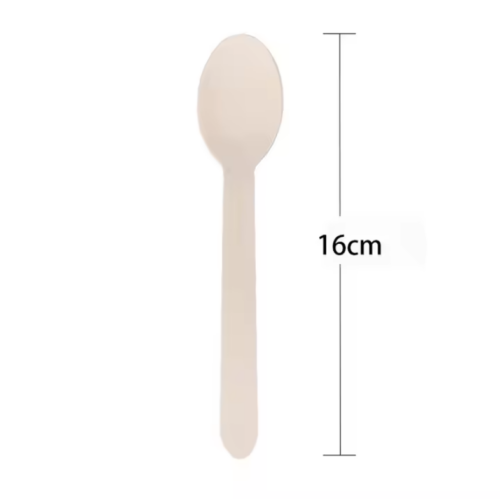
That’s where disposable tableware comes in. TIANLALA currently runs primarily on plastic disposables across its 300 outlets. As the brand moves upmarket, wooden spoons for dessert servings become a tangible, customer-facing signal of quality — the difference between a plastic spoon and a wooden spoon in a premium dessert cup is immediately visible and felt. Mr. Guo indicated that wooden spoons and wooden stirrers are under consideration as part of the Black Gold series rollout, where the material choice reinforces the premium positioning rather than just meeting a compliance requirement.
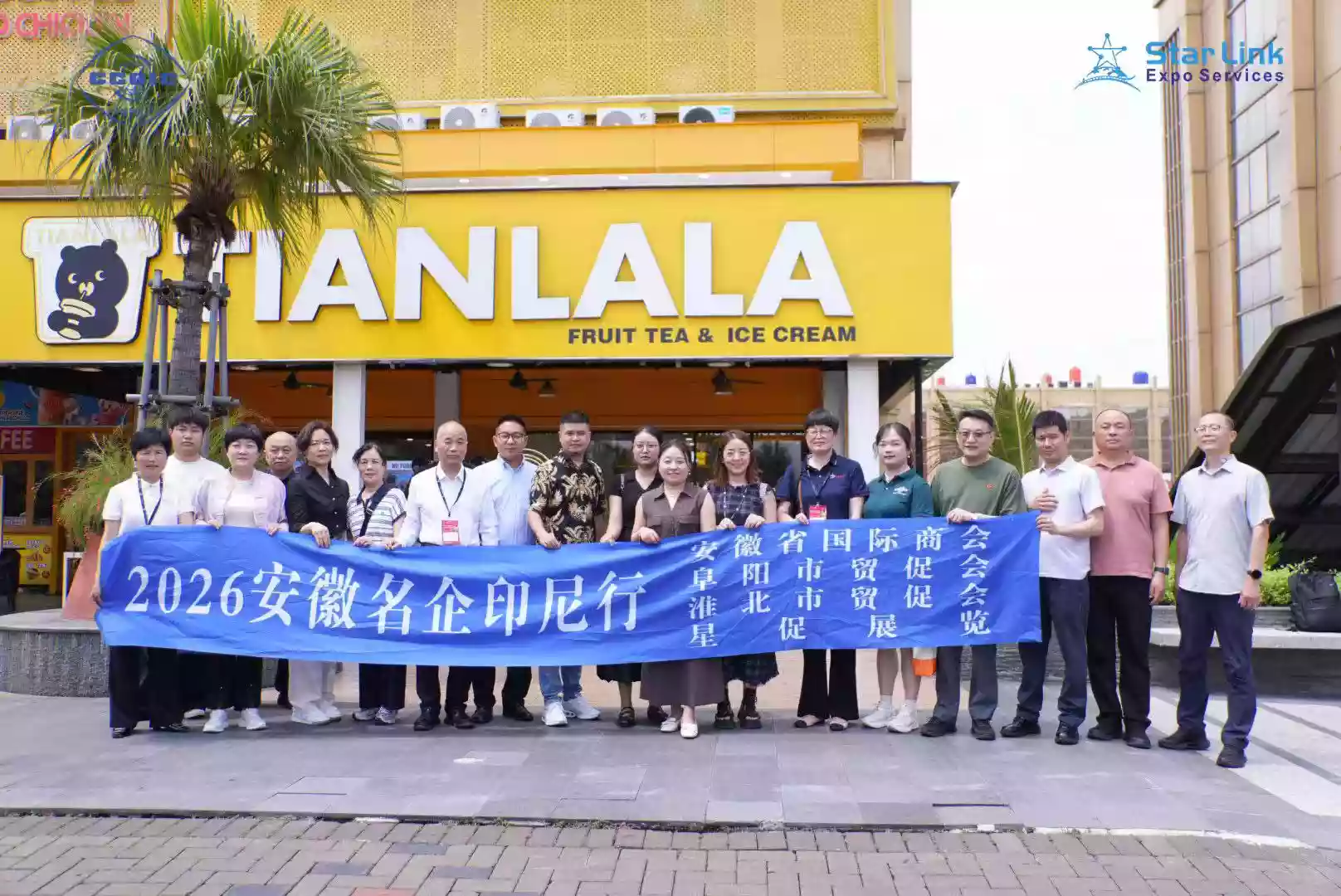
Ecoware’s wooden spoon range and wooden stirrers were discussed directly in this context. TIANLALA’s procurement team is in early evaluation mode. No commercial commitment was reached, but the product fit with the premium repositioning strategy is clear.
What TIANLALA’s Brand Pivot Tells Wooden Tableware Suppliers
🌿 Three Takeaways from the TIANLALA Briefing
- The premium trigger is strategic, not regulatory: TIANLALA isn’t switching from plastic because of rules — it’s switching because wooden spoons visually communicate a price-tier shift that plastic cannot. This is a meaningful differentiator for wooden tableware vs. paper or bamboo alternatives.
- Scale makes consistency critical: 300 outlets means a consistent wooden spoon spec across every store, every day. Suppliers who can guarantee dimensional consistency and volume stability will advance fastest in this evaluation.
- Dessert applications first: The entry point is wooden spoons for dessert servings, not a full cutlery overhaul. A focused SKU introduction lowers the procurement decision threshold.
DAY 4 · MAY 10, 2026
Visit 04 — Grand Lucky Supermarket: Three Fixed Gates, and the Real Competitive Landscape for Wooden Disposables
The delegation conducted an on-site retail audit at Grand Lucky Supermarket, received by operations manager Pak. Anto and the store’s category buyers. The session combined a floor walkthrough — examining current wooden tableware shelf placement, competitive product mix, and pricing tiers — with a direct discussion on the cooperation pathway for Anhui tableware products entering Indonesian offline retail. Multiple preliminary cooperation intentions were reached during the meeting.
The eco-tableware and wooden tableware category at Grand Lucky already has product on the shelf. The current supplier base is predominantly Chinese imports — wooden spoons, wooden forks, wooden ice cream spoons, and bamboo chopsticks sourced from China are the existing category product. This is both a validation (the category is established) and a challenge (Ecoware is entering a shelf that already has Chinese competitors). The differentiation path is product specification, certification, and packaging quality rather than category education.
The structural requirements for retail entry are documentation and logistics, not product novelty. Grand Lucky’s procurement process runs three sequential gates:
Grand Lucky’s Three-Gate Entry Process
🌿 What Ecoware Needs Before Approaching Indonesian Retail
- Gate 1 — BPOM registration (non-negotiable): Food-contact material imports require BPOM registration. First-time applicants should budget 3–6 months. No BPOM file means no procurement evaluation — full stop.
- Gate 2 — Bahasa Indonesia packaging: Product name, material description, and usage instructions must appear in Bahasa. Grand Lucky’s preference is fully localized print runs, particularly for wooden tableware sets and gift formats.
- Gate 3 — Local warehousing and 72-hour restocking: Grand Lucky requires restocking from a local warehouse within 72 hours. No Indonesian logistics partner means no evaluation, regardless of product quality.
Format Strategy for the Indonesian Retail Shelf
Pak. Anto’s practical guidance: approach retail in two formats simultaneously. Wooden cutlery gift sets (spoon/fork/knife, boxed) are suited for the gift and houseware zone, where margin is better and the BPOM category path is slightly simpler. Bamboo chopsticks and bamboo skewers (BBQ sticks) belong in the everyday replenishment aisle — these are high-velocity, repeat-purchase products where volume matters more than margin per unit. A split-entry strategy matches each format to its natural shelf zone and its corresponding certification timeline.
DAY 5 · MAY 11, 2026
Visit 05 — Suryacipta City of Industry, West Java: What Indonesian Industrial Infrastructure Looks Like When You’re Ready for It
The final day took the delegation to Suryacipta City of Industry in Karawang, West Java — one of the most established industrial parks in Indonesia, operated by publicly listed PT Surya Semesta Internusa Tbk (SSIA). Park director Mr. Abednego Purnomo provided a comprehensive briefing covering zone planning, sector focus areas (food processing, consumer goods, electronics manufacturing), and the foreign investment incentive structure.
Current tenants include Nestlé, Dali Group, and Korean Elephant Group in food manufacturing. The park offers land sale, built-to-suit factory construction, and operational ramp-up support — reducing the project management burden for foreign enterprises setting up Indonesian production for the first time.
For Ecoware’s current stage, local manufacturing in Indonesia is a medium-term consideration, not an immediate one. The infrastructure is mature. The output from this visit is a concrete understanding of what the path looks like — costs, timelines, incentive structures — so that when Indonesian sales volume justifies a production decision, the framework already exists.
🌿 Suryacipta City of Industry — Reference Facts
- Operator: PT Surya Semesta Internusa Tbk (SSIA), listed on Indonesia Stock Exchange (IDX)
- Location: Karawang, West Java — approximately 60km east of central Jakarta
- Sector focus: Food processing, consumer goods, electronics manufacturing
- Current tenants (food): Nestlé, Dali Group, Korean Elephant Group
- Services: Land sale, built-to-suit leasing, construction supervision, operational support, government liaison
- Ecoware assessment: Relevant for local production planning once Indonesian sales volume is established — not a year-one priority
WHAT WE’RE DOING NEXT
The Honest Summary: Indonesia Is a Real Market for Wooden Tableware — With a Clear Sequence
Five days, five institutions, two formal cooperation intentions signed, one product evaluation underway, one working group established. The Indonesian market for wooden and bamboo disposables is not a question of demand — it’s a question of sequence, documentation, and product-channel fit.
The on-the-ground reality is this: wooden spoons and wooden forks are the volume categories in Indonesian food service. Bamboo chopsticks are standard in Chinese, Japanese, and Korean restaurant contexts. Bamboo skewers (BBQ sticks) are high-frequency consumables across street food and organized foodservice alike. These are established categories with Chinese-import incumbents — Ecoware’s path is spec quality, certification, and reliable supply, not category creation.
Our sequencing based on this trip:
- Start BPOM food-contact material registration now: 3–6 month process; nothing in retail moves without it
- Hotel and foodservice channel first: Fastest path. Association cooperation framework already in place. Priority SKUs: wooden spoons, wooden forks, wooden cutlery sets, bamboo chopsticks.
- TIANLALA wooden spoon evaluation: Procurement team evaluating wooden spoons and stirrers for the Black Gold premium dessert series. Outcome expected within 60 days.
- Retail entry after BPOM registration clears: Grand Lucky preliminary cooperation intentions reached. Execution requires Gate 1 completion. Lead formats: wooden cutlery gift sets, bamboo chopsticks, bamboo skewers.
- Local manufacturing: Under review for when Indonesian sales volume justifies the capital commitment
The 2026 Anhui Famous Enterprise Indonesia Trade Mission, organized by CCOIC Anhui, Fuyang CCPIT, and Huaibei CCPIT and delivered by Star Link Expo Services, provided direct access to institutional decision-makers and cooperation frameworks that would take years to build independently. We’re grateful to the organizing bodies for the program structure and to all five institutions for their time and candor.
If you are an Indonesian F&B buyer, hotel procurement manager, restaurant chain operator, or distribution partner evaluating wooden spoons, wooden forks, wooden cutlery sets, wooden ice cream spoons, wooden stirrers, bamboo chopsticks, or bamboo skewers — Ecoware has samples ready and is actively building its Indonesian distributor network across Jakarta, Surabaya, and Bali.
→ Contact Ecoware: https://ecowaretech.com/contact