Updated 22 October 2026 · Ecoware Export Team
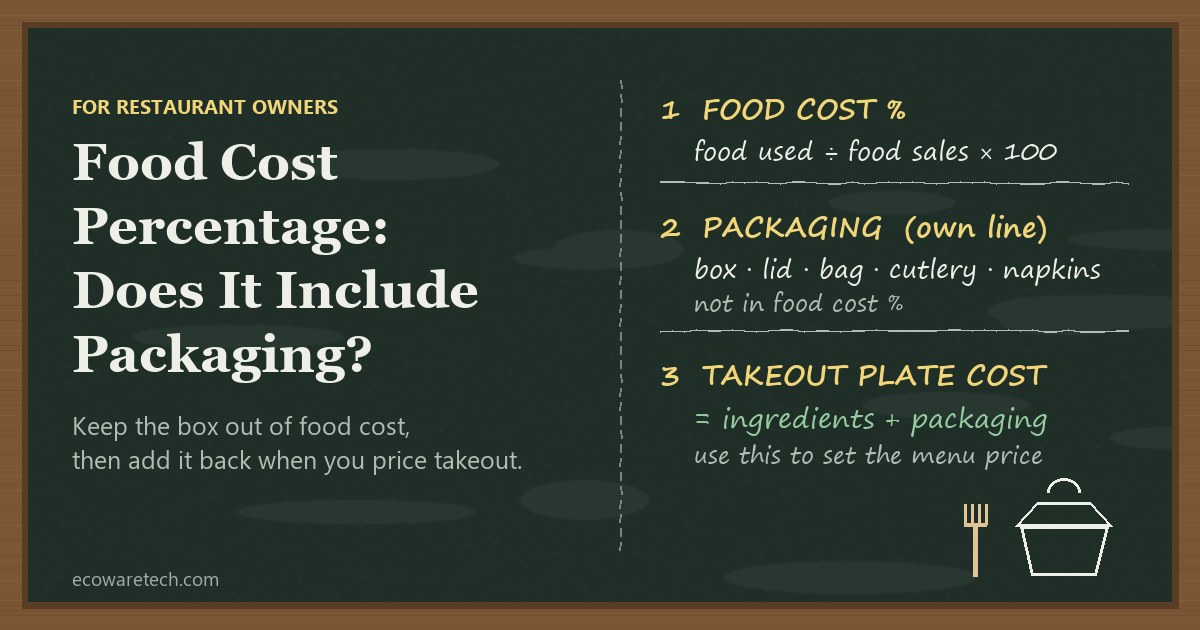
Food cost percentage is the cost of the food you used in a period divided by your food sales, times 100. Keep to-go containers, bags, napkins and disposable cutlery out of it and track them as packaging. When you price a takeout dish, add that order’s packaging to the plate cost, or the price will be too low.
How to calculate food cost percentage
Food cost percentage = (beginning food inventory + food purchases − ending food inventory) ÷ food sales × 100.
The bracket is your cost of food used: what you had on the shelf at the start, plus what came in, minus what is still on the shelf at the end. Count the inventory on the same day of the week each period, and use food sales for the same dates, net of discounts and comps.
Worked example (example figures):
| Line | Amount |
|---|---|
| Beginning food inventory | $8,000 |
| Food purchases in the period | $12,000 |
| Ending food inventory | $7,500 |
| Cost of food used | $8,000 + $12,000 − $7,500 = $12,500 |
| Food sales in the period | $40,000 |
| Food cost percentage | $12,500 ÷ $40,000 × 100 = 31.25% |
In a spreadsheet, put the four inputs in B1 to B4 and enter =(B1+B2-B3)/B4, then format the cell as a percentage.
For a single menu item, the same idea becomes plate cost ÷ menu price × 100. A dish with $3.60 of ingredients on a $12.00 menu price runs a 30% food cost.
What counts as a good result depends on the concept. US Foods puts the average at 28–32% in many full-service and limited-service restaurants; that range comes from one distributor’s guide and was not checked against a second source here. Compare your figure with your own previous periods first, because a drift of one or two points between counts says more about waste and portioning than any industry average.
Does food cost include packaging?
Whether packaging belongs in food cost depends on which number you are working out. Restaurant software guides disagree on this point: Lightspeed describes cost of goods sold as reaching “down to the toothpick, napkin and garnishes”, while TouchBistro adds paper costs such as napkins and take-out boxes to an item’s cost only “if applicable”, and works out actual food cost from food and beverage inventory. Each number has its own job, and packaging belongs in only some of them:
| Number | What goes in | What it is for | Packaging in it? |
|---|---|---|---|
| Food cost percentage (per period) | Food used: beginning inventory + purchases − ending inventory | Watching waste, portioning and supplier prices | No |
| Plate cost, dine-in (per item) | Ingredients for one portion | Pricing dine-in dishes | No |
| Plate cost, takeout or delivery (per item) | Ingredients + container, lid, bag, cutlery kit, napkins, sauce cups for that order | Pricing takeout and delivery dishes | Yes |
| Packaging cost (per period) | Packaging used, counted the same way as food inventory | Watching packaging spend as takeout grows | It is the packaging |
Keeping packaging out of food cost percentage matters most when your takeout share moves. Take a month with $40,000 of food sales and $12,500 of food used, which is 31.25%. If 1,000 orders go out as takeout with $0.80 of packaging each (example figures), packaging adds $800, and a combined figure reads 33.25%. Next month the sales and the food used are identical, but 2,000 orders go out as takeout: packaging is $1,600 and the combined figure reads 35.25%. The kitchen did nothing differently, yet the number rose two points. A separate packaging line shows the same change for what it is, a shift toward takeout, and leaves food cost percentage telling you about the food.
Track that line as packaging cost percentage: packaging used ÷ takeout and delivery sales × 100. Divide by takeout and delivery sales, not total sales, so a busy dine-in week does not make packaging look cheaper than it is.
The variance trap: packaging on one side of the comparison only
Ideal (theoretical) food cost and actual food cost must cover the same items, or the gap between them means nothing. Theoretical cost adds up the recipe cost of every item sold; actual cost comes from the inventory count. TouchBistro’s method lets the recipe cost of an item include paper costs where they apply, while the actual figure is built from food and beverage inventory. If your takeout recipe cards include the box and the cutlery kit but your count sheet covers only food, the two sides no longer match.
With example figures for one month, the mismatch looks like this:
| Line | Recipe cards include packaging | Both sides food only |
|---|---|---|
| Theoretical cost of items sold | $13,000 (of which $900 packaging) | $12,100 |
| Actual food used (inventory count) | $12,500 | $12,500 |
| Food sales | $40,000 | $40,000 |
| Theoretical food cost % | 32.5% | 30.25% |
| Actual food cost % | 31.25% | 31.25% |
| What the gap says | 1.25 points better than ideal | 1 point worse than ideal: $400 of food unaccounted for |
The left column reports a kitchen beating its target. The right column, with the same data, shows $400 of food lost to waste, over-portioning or theft. Pick one scope for both sides: take packaging off the recipe cards used for variance, or add packaging to the inventory count and to the theoretical cost alike. The first is less work when packaging sits on a different shelf from food and is counted on a different day.
How to work out packaging cost per order
Packaging cost per order is the sum, across every packaging item, of cost per piece × pieces per order. Five steps get you there:
- List what leaves with an order. Container and lid for each size, bag, cutlery kit, napkins, sauce cups, labels or stickers. Do this per menu item if containers differ by dish.
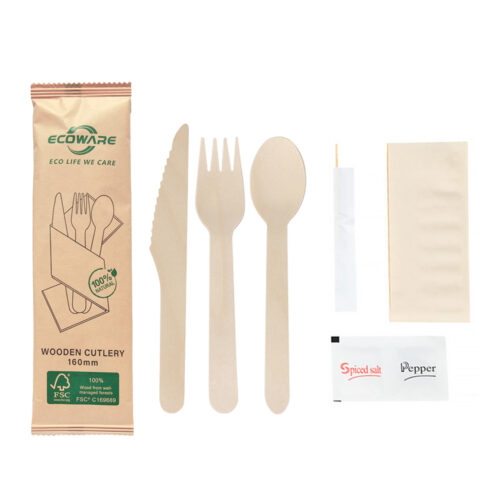
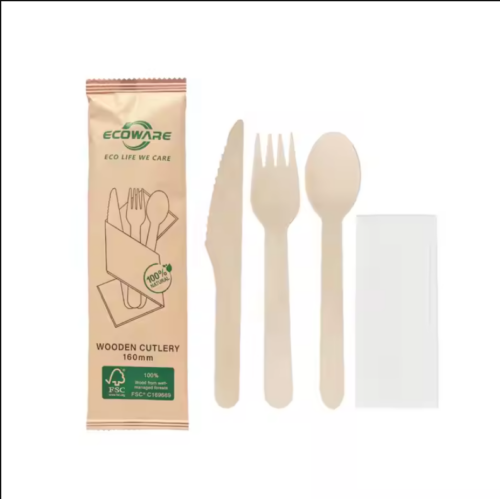
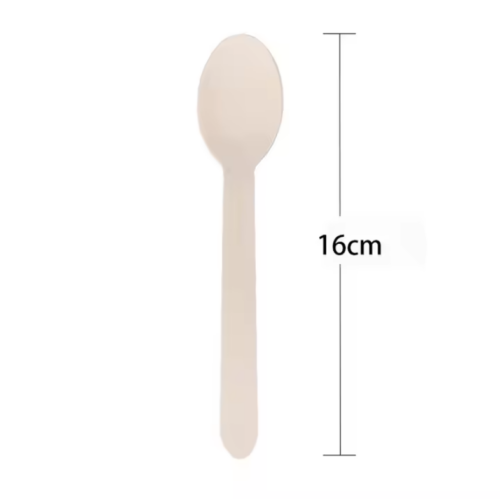
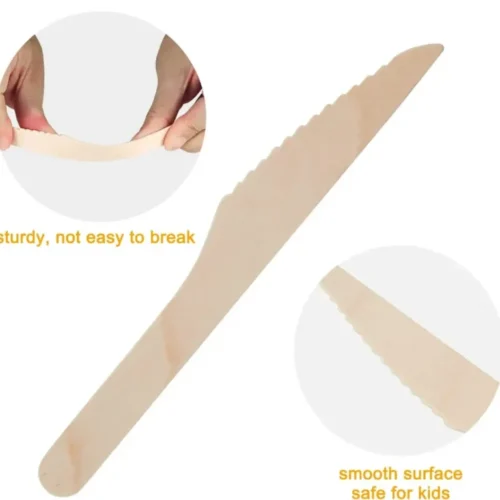
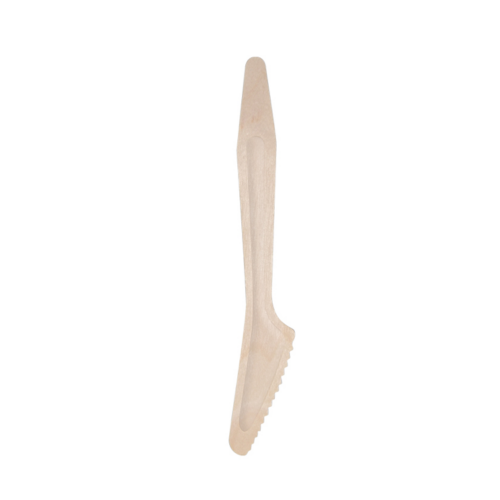
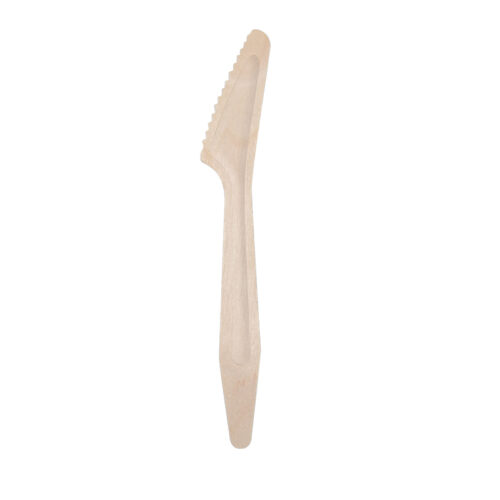
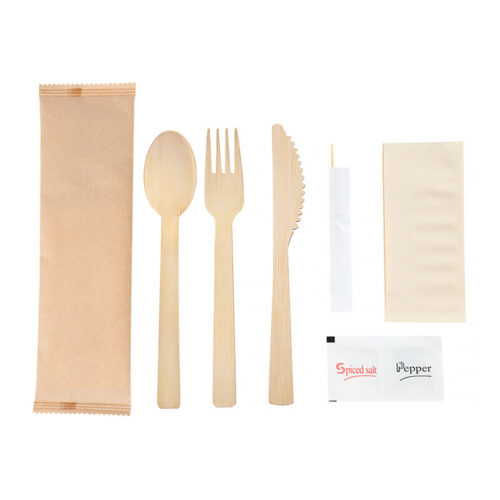
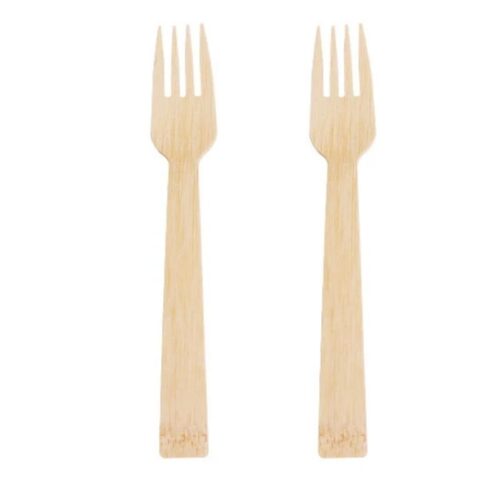
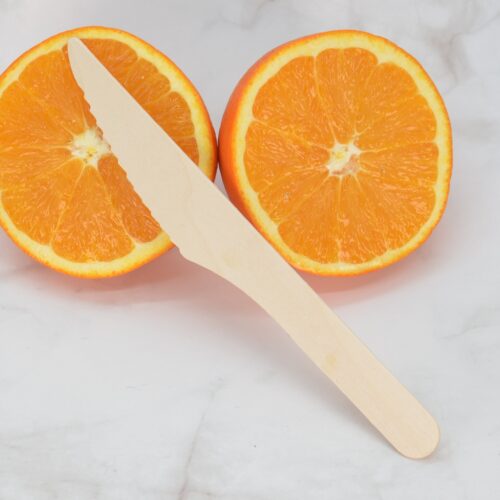
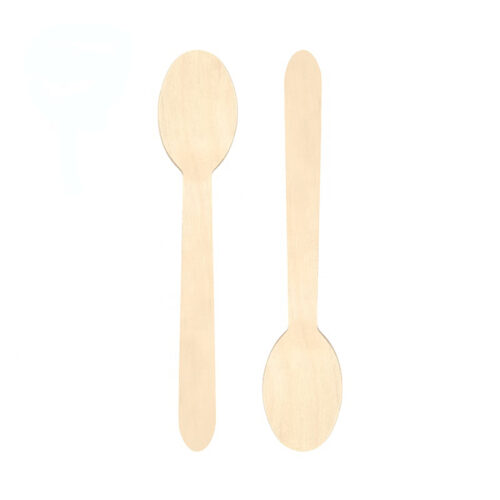
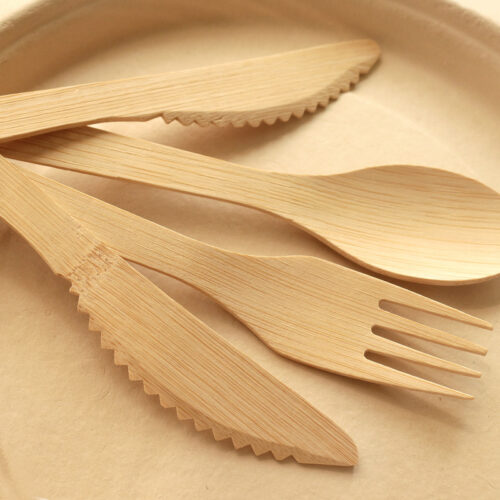
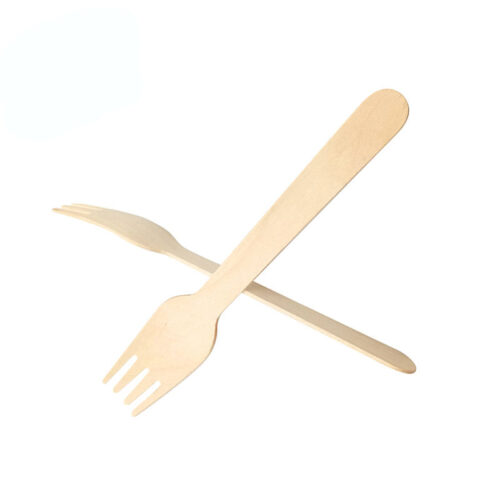
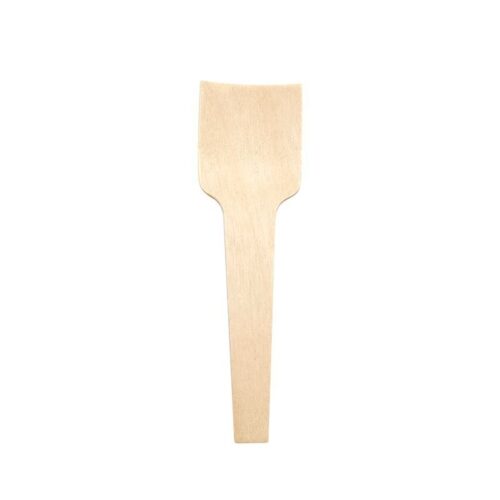
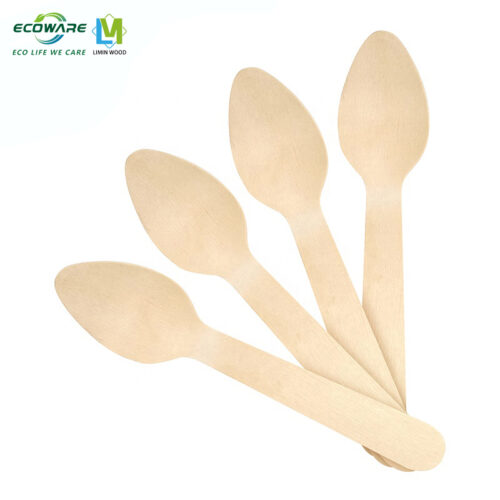
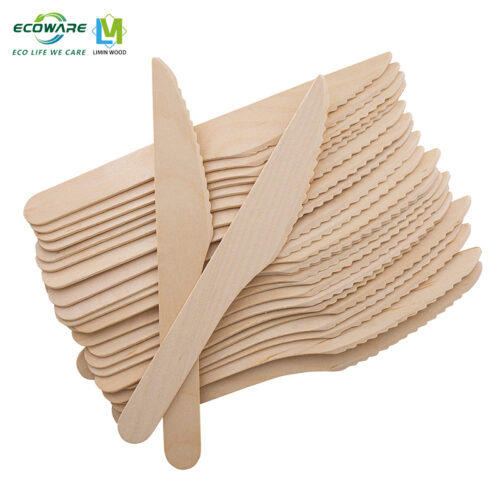
- Work out cost per piece. Divide the landed price of a case or carton (invoice price plus freight, duty and storage if you import) by the pieces in it. A carton of our 160 mm wooden knife, fork, spoon and napkin sets holds 250 sets, so cost per set is the landed carton price ÷ 250.
- Measure pieces per order. Over two weeks, divide the pieces used of each item by the takeout and delivery orders in your POS for the same days. Do not assume one cutlery kit per order: where customers are asked whether they want utensils, the ratio falls, and in California, Washington and New Jersey utensils-upon-request laws allow utensils only when the customer asks for them.
- Multiply and add. Cost per piece × pieces per order for each item, then add the lines.
- Redo it when something changes. A new supplier, pack size, container or delivery platform changes the result.
| Item | Cost per piece | Pieces per order | Cost per order |
|---|---|---|---|
| Container and lid | case price ÷ pieces per case | containers used ÷ orders | piece × ratio |
| Bag | case price ÷ bags per case | bags used ÷ orders | piece × ratio |
| Cutlery kit | carton price ÷ sets per carton | sets used ÷ orders | piece × ratio |
| Napkins, sauce cups, labels | case price ÷ pieces per case | pieces used ÷ orders | piece × ratio |
| Packaging cost per order | sum of the column |
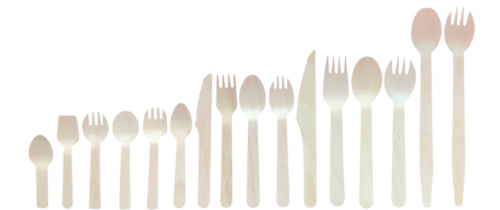
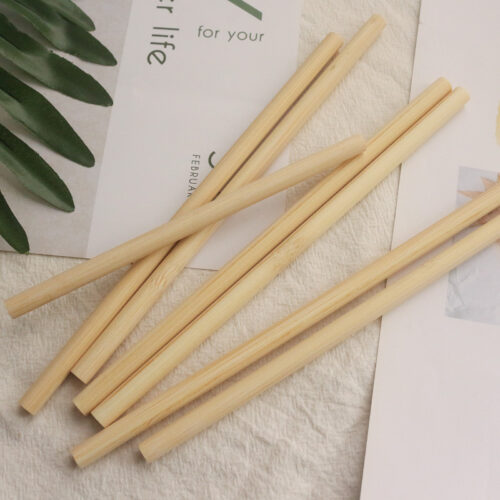
Cutlery tends to be the line that moves most, because it depends on how many customers take it. Our guide to cutlery cost per order works through that ratio and the freight per set for wooden and plastic kits. If you are choosing a kit format, the wooden cutlery sets page lists the set contents and packing options.
Pricing a takeout item: mark packaging up or pass it through
Decide whether packaging earns the same margin as food before you set a takeout price, because the two methods give noticeably different prices. Using example figures for one dish, with $3.60 of ingredients, $0.80 of packaging per order and a 30% target food cost:
| Method | Calculation | Takeout price |
|---|---|---|
| Food only, packaging ignored | $3.60 ÷ 0.30 | $12.00 |
| Packaging passed through at cost | $3.60 ÷ 0.30 + $0.80 | $12.80 |
| Packaging marked up like food | ($3.60 + $0.80) ÷ 0.30 | $14.67 |
Ignoring packaging gives away $0.80 on every order. Passing it through at cost recovers the packaging and keeps the dish priced like its dine-in version. Marking it up treats the box like an ingredient and adds $2.67 to the price, which can push a takeout dish past what customers will pay. You can also show packaging as a separate charge on the bill instead of building it into the price; the cost per order from the previous section is the number either way.
Delivery platform commission is a separate cost again and belongs in its own calculation, not in the plate cost.
Are to-go containers cost of goods sold for tax purposes?
The tax return can draw the line differently from your management reports. For US businesses, IRS Publication 334, in its section on figuring cost of goods sold, says containers and packages that are an integral part of the product manufactured are part of cost of goods sold, and that containers which are not an integral part are shipping or selling expenses. The publication writes that rule for manufacturing, and how it applies to a restaurant’s takeout packaging is a question for your accountant.
Whatever your accountant decides for the return, you can still keep food cost percentage food-only for running the kitchen. Nothing stops you from keeping both: an accounting chart that follows the tax treatment, and a weekly kitchen report built the way this guide describes.
Food cost and packaging: common questions
What is a good food cost percentage?
US Foods gives 28–32% as the average in many full-service and limited-service restaurants. Treat it as a reference point and set your own target from your menu, prices and past periods.
Are napkins and disposable cutlery part of food cost?
Not in food cost percentage as described here. Record them as packaging, then add them to the plate cost of takeout and delivery items when you price them.
Should packaging be in the inventory count?
Count it, but on its own sheet. That gives you packaging used per period, the same way the food count gives you food used, without mixing the two figures.
Does switching to wooden cutlery change my food cost percentage?
No, if packaging is tracked separately. It changes packaging cost per order, which depends on the price per set and on how many sets go out per order.
The rule to apply this week
Run food cost percentage on food alone, give packaging its own line, and price every takeout dish from food cost plus that dish’s packaging cost per order. Then check one takeout best-seller: if its price was set before you counted the box, bag and cutlery, recalculate it with the table in the pricing section.
If cutlery kits are one of the lines you are costing, send us your set configuration and monthly volume for a quote and free samples.
This guide uses common restaurant management practice and is not tax or accounting advice. Ecoware Co., Ltd. is the export company of Shucheng Limin Wood Products Co., Ltd., which has made wooden tableware since 2008. Drafted with AI assistance and reviewed by the Ecoware Export Team; the formulas use example figures, product packing comes from our product page, and other figures link to their sources.