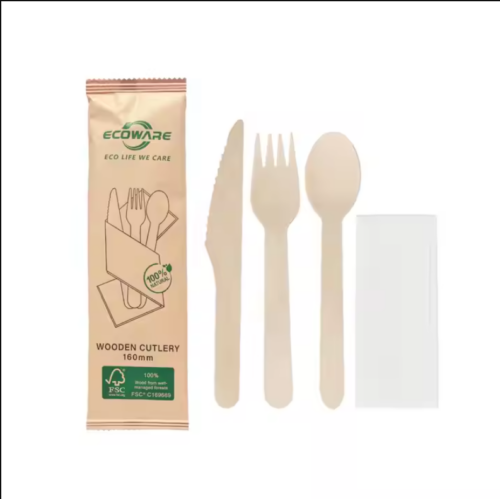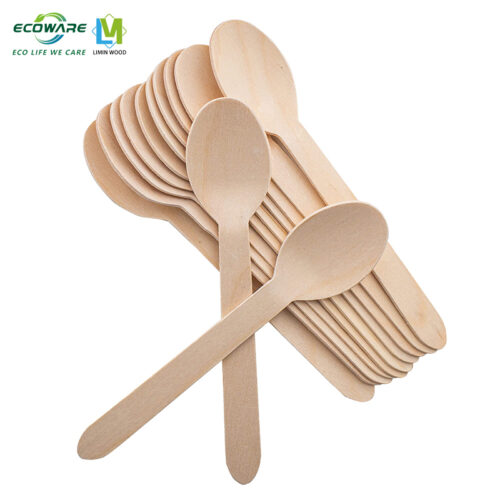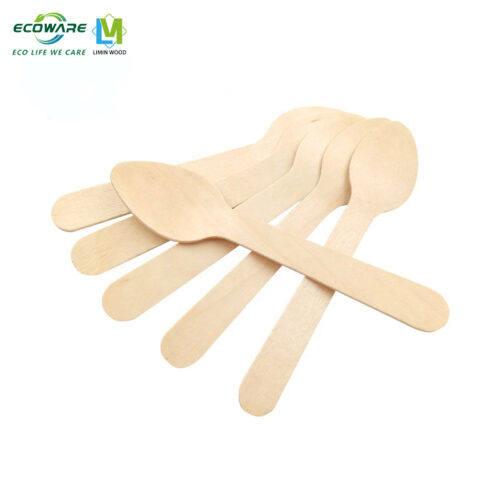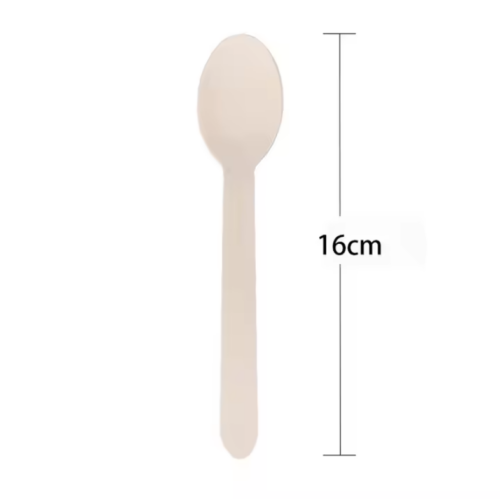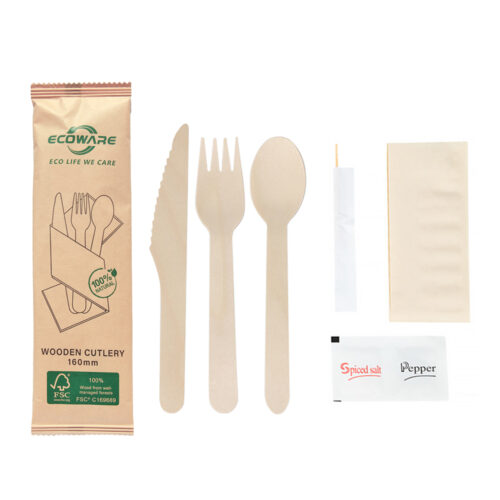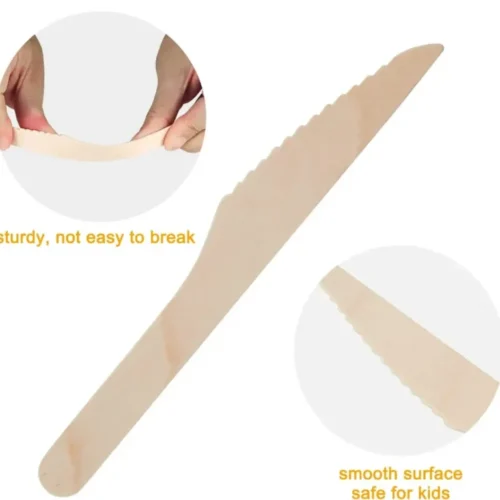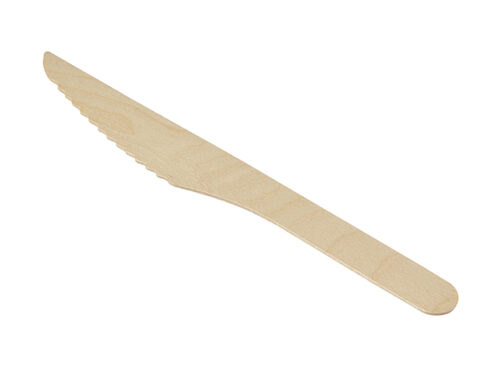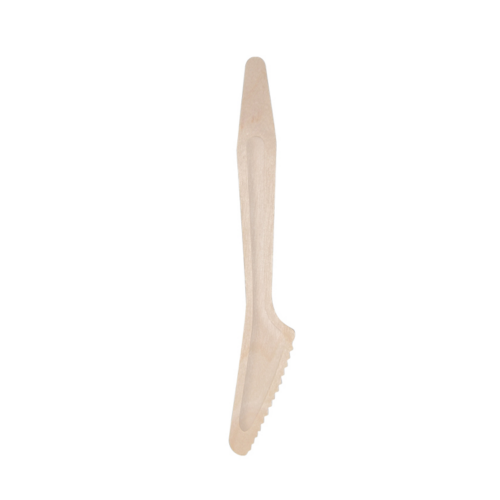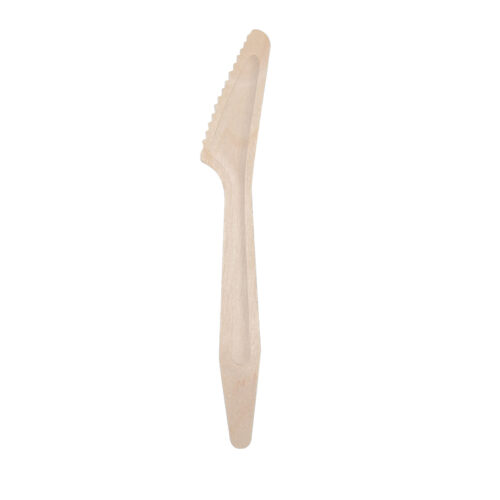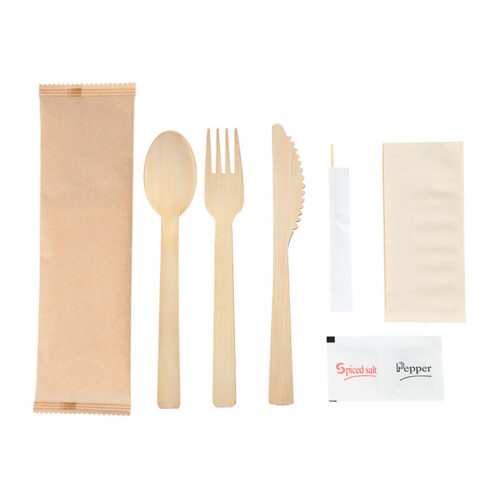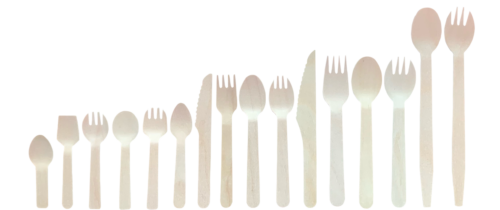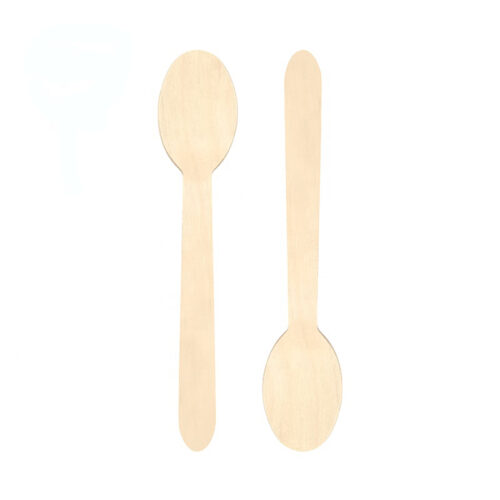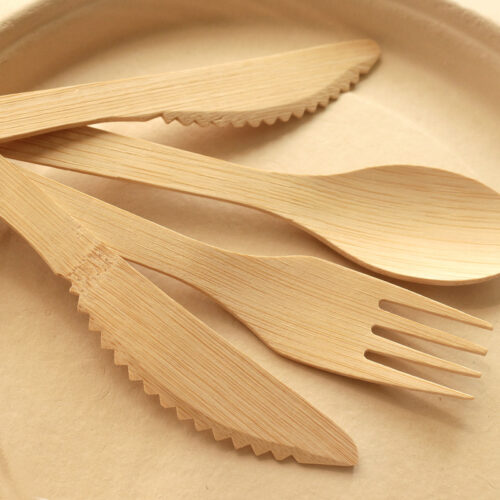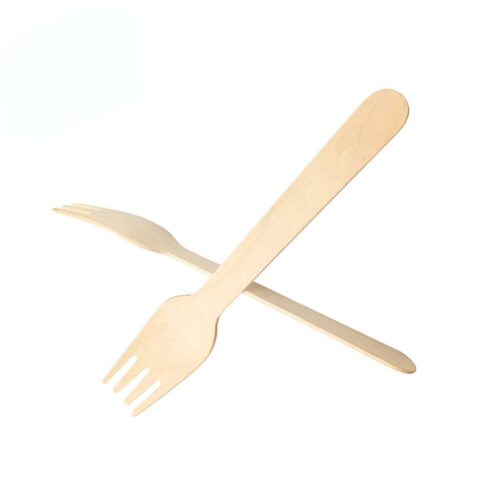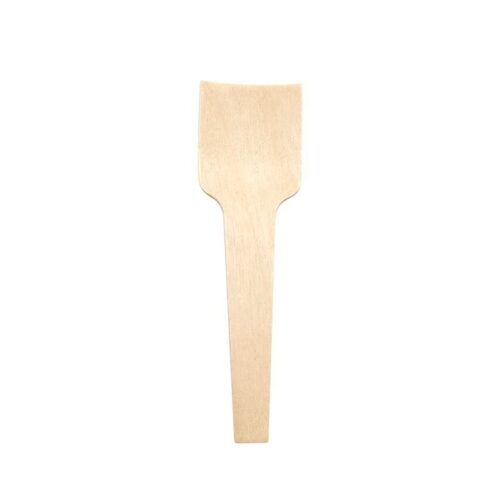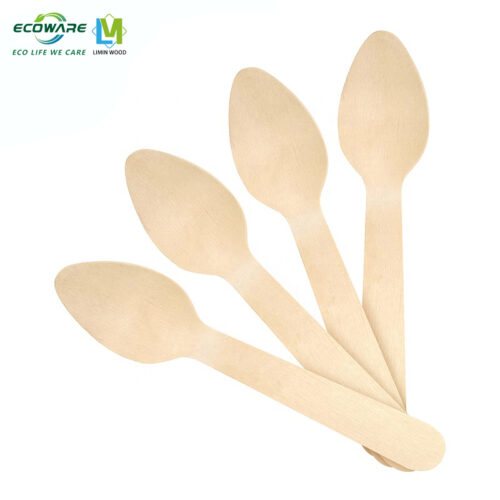
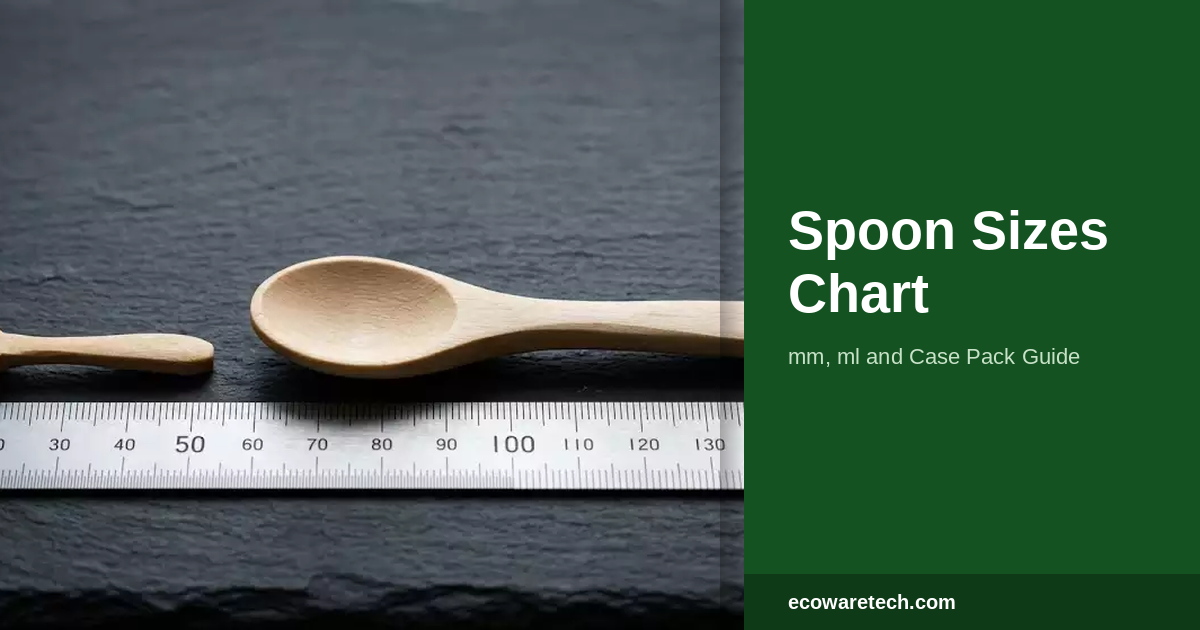
EcoWareTech’s disposable wooden spoons run from 75mm mini spoons to 190mm full-size tablespoons, in eight standard lengths (75, 95, 110, 114, 140, 160, 165 and 190mm). Capacity ranges from about 2ml at the smallest size to 20-25ml at the largest, wall thickness runs 1.5-2.0mm depending on size, and length is held to a manufacturing tolerance of ±0.3mm. The table below breaks down what each size is built for, how it’s packed, and how to think about ordering a custom length.
The full spoon size chart
| Size | Common use at this length | Capacity | Wall thickness | Typical case pack |
|---|---|---|---|---|
| 75mm | Mini spoon for tasting portions and small ice cream cups | ~2ml | 1.5mm | 5,000-10,000 pcs/carton |
| 95mm | Compact ice cream spade or gelato spoon | ~8-10ml | 1.5mm | 3,000 pcs/carton |
| 110mm | Coffee and beverage stirrer (flat paddle, no bowl) | n/a | 1.5mm | 10,000 pcs/carton |
| 114mm | Long-handle tasting spoon, for jars and deep containers | ~3-5ml | 1.5mm | 5,000 pcs/carton |
| 140mm | Yogurt, dessert and souffle spoon | ~10-12ml | 1.8mm | 1,000-2,000 pcs/carton |
| 160mm | Soup spoon, and the bowl size used in our spork | ~18-20ml | 1.8mm | 1,000 pcs/carton |
| 165mm | Bouillon and consomme spoon | ~20ml | 2.0mm | 1,000-2,000 pcs/carton |
| 190mm | Full-size tablespoon and soup spoon | ~15-25ml | 2.0mm | 1,000 pcs/carton |
For what each shape is actually called and which foods it suits best, the Types of Spoons guide covers all 18 categories in detail. This page focuses on the numbers you need to place an order: exact lengths, capacity, thickness, tolerance and packaging.
Two sizes in that table are worth a specific note. The 95mm listing covers a compact, junior version of the ice cream spade rather than the full-size 120-140mm spade the main guide describes: it’s built for single-scoop cups, sampling, and kids’ portions where a full-size spade is oversized. The 114mm tasting spoon is the long-handle counterpart to the shorter 85-100mm tasting spoons most buyers picture, meant for reaching into jars, tall cups and deep containers rather than shallow tasting plates.
How sizes are measured, and what ±0.3mm tolerance means in practice
Length is measured tip to tip, handle end to bowl end, with the spoon flat. It’s the dimension that changes most between categories and the one most buyers search for, which is why it anchors every row in the chart above.
Wall thickness is a separate variable, and it matters more than most buyers expect. A wooden spoon’s resistance to snapping comes primarily from how thick the material is at its thinnest point, not from the wood species alone. Across EcoWareTech’s range, smaller spoons that never touch hot or oily food run 1.5mm, mid-size spoons step up to 1.8mm, and the largest, heaviest-duty sizes run a full 2.0mm. That progression isn’t arbitrary: internal break testing on our wooden and bamboo cutlery has consistently shown 2.0mm as the thickness where bending risk drops off, with anything under 1.5mm noticeably more prone to flexing under load. The fork strength testing we’ve published covers this in more depth, and the same thickness logic carries over to spoons.
Length across the standard range is held to a manufacturing tolerance of ±0.3mm under normal production conditions. That’s tight enough that spoons from the same size code will seat consistently in matched lids, sleeves and dispensers, which matters more than it sounds like it should once you’re packing a container that was designed around a specific spoon length.
One number we won’t give you here is a single “weight per piece” figure for the whole range, because it isn’t one number. A 75mm mini spoon and a 190mm tablespoon differ enough in wood volume that quoting an average would be misleading, and the honest answer is that piece weight and full carton weight depend on the exact size and packaging format you order. If you’re calculating freight or duty, ask for the packed-weight spec sheet for your specific size and carton configuration rather than working from a general estimate.
Capacity by size: what the millilitre figures actually hold
Capacity is measured level, to the rim of the bowl, the same way a measuring spoon is rated. It’s a useful cross-check when a size name alone is ambiguous.
- ~2ml (75mm): a taste, not a portion. This is a sampling or trial-size scoop, not something meant to feed a customer.
- ~3-10ml (95-114mm): small dessert and tasting portions. A standard teaspoon is about 5ml, so anything in this band reads as “teaspoon-ish” to the person holding it.
- ~10-20ml (140-165mm): the working range for most foodservice spoons. A standard tablespoon holds about 15ml, and dessert, yogurt and soup spoons cluster around this figure.
- ~20-25ml (190mm): full-size soup and serving portions, the largest standard capacity before you move into dedicated serving spoons.
Matching size to container and packaging
The spoon has to fit the lid, sleeve or cup it ships with, not just the food. A few pairings come up often enough to call out directly:
| Container or format | Spoon size that fits |
|---|---|
| 2-4oz sample or tasting cups | 75mm or 95mm |
| Single-scoop ice cream cups and cones | 95mm or 140mm |
| Yogurt cups, parfait cups | 140mm |
| Soup cups and bowls, takeout containers | 160-190mm |
| Hot beverage cups (stirring only) | 110mm |
If a spoon is noticeably too long for its cup, it either won’t seat under a flat lid or it tips the cup over on a tray. Too short, and customers can’t reach the bottom without tilting the container. When in doubt, request a sample of the container alongside the spoon before committing to a bulk order.
Bulk packs and individually wrapped: which one fits your channel
Both packaging formats use the same spoons; the difference is purely how they’re bundled. Bulk, loose-packed cartons are the standard choice for catering, food trucks and any high-volume back-of-house use, where the spoons come out of a dispenser box and price per piece matters most. Individually wrapped spoons cost more per piece because of the extra film and labor, but they’re the expected format for hotel room service, airline catering, delivery orders and anywhere a customer expects a sealed utensil for hygiene reasons. Most of the sizes in the chart above are available in either format; if you need individually wrapped spoons at a less common size like 114mm or 165mm, confirm minimum order quantity before you commit, since wrapping lines often have their own minimums separate from the spoon mold itself.
Custom sizes: MOQ and tooling
The eight sizes above cover most standard orders, but custom lengths, capacities or handle shapes are possible. What determines cost and lead time is mostly whether your request needs a new die or mold, or just an adjustment to an existing one:
- A minor change within an existing mold family (say, trimming a handle length by a few millimetres) usually adds little to no tooling cost and a short lead time.
- A genuinely new bowl shape or capacity requires a new die, which carries a one-time tooling fee and a longer lead time before the first production run.
- Either path typically needs a minimum order quantity well above a standard-size order, since the tooling cost has to be spread across the run.
Exact tooling fees and MOQ depend on the specific size and finish you need, so the fastest way to get real numbers is to request a quote with your target dimensions rather than working from a general figure.
Frequently asked questions
What size disposable spoon should I use for ice cream?
Use 75mm or 95mm for small cups and single scoops, and step up to 140mm for larger portions or where the spoon doubles as a stir spoon for soft-serve.
What’s the practical difference between a 140mm and a 160mm spoon?
140mm suits yogurt, dessert and mid-size portions at roughly 10-12ml capacity. 160mm is built for soup and heartier portions at roughly 18-20ml, and it’s also the bowl size used in our spork.
How much does a case of disposable wooden spoons weigh?
It depends on size and packaging format, since a carton of 75mm spoons and a carton of 190mm spoons hold very different wood volumes. Request the packed-weight spec sheet for your chosen size and carton configuration rather than relying on a single average figure.
What’s the manufacturing tolerance on spoon length?
±0.3mm under normal production conditions, which is tight enough to seat consistently in matched lids and dispensers.
Can I order a custom spoon size?
Yes. Small adjustments to an existing mold are usually quick and low-cost; a genuinely new shape needs a new die, a tooling fee, and a higher minimum order. Request a quote with your target dimensions for exact numbers.
Should I order bulk-packed or individually wrapped spoons?
Bulk for catering and high-volume back-of-house use, where price per piece matters most. Individually wrapped for hotel, airline, delivery and any channel where customers expect a sealed utensil.
What’s the difference between a spade and a regular ice cream spoon?
A spade has a wide, flat bowl built for scraping hard-packed ice cream out of a tub. A standard ice cream spoon has a deeper, more rounded bowl meant for scooped portions and cones.
Related guides in this series
- Types of Spoons: 18 Kinds With Names and Uses: the full classification guide this page’s sizing data supports.
- Types of Forks: 15 Kinds Explained (Sizes & Uses): the equivalent guide for disposable wooden forks.
- Disposable Wooden Spoons: full product range across all sizes in this chart.
- Disposable Wooden Ice Cream Spoons: the 75-140mm sizes stocked for frozen dessert use.
- How Are Disposable Wooden Spoons Made?: the manufacturing process behind the tolerances on this page.
About Ecoware
Ecoware Co., Ltd. sells disposable wooden and bamboo tableware made at its family factory, Shucheng Limin Wood Products Co., Ltd., in production since 2008. The factory holds ISO 9001 and FSC chain-of-custody certificates and an amfori BSCI audit, and has shipped to 50+ countries. Sample requests and custom-size quotes go through the product range or directly to the sales team.