
Updated 16 October 2026. Written by Ecoware, a manufacturer of disposable wooden and bamboo cutlery. This page does not rank brands; it explains what to check. Rules link to their official source.
Short answer: The best disposable wooden spoons and forks for a business are the ones that match your food, your serving time and the labelling rules of the market you sell in. Six checks decide it: the wood and its finish, the size, strength for the food you serve, the surface finish, the compostability claim and its certificate, and the documents behind the order. This page does not rank brands, because no independent test of wooden cutlery brands is available to rank them on; treat any “top 10” list, including one written by a manufacturer, as marketing until the supplier can show you the documents below.
Six checks for choosing wooden spoons and forks
The table lists each check, what a good answer looks like, and where to read more:
| Check | What a good answer looks like | Read more |
|---|---|---|
| Wood and finish | Birch or bamboo, uncoated, or a coating the supplier can name for food contact | Wooden vs bamboo: what wood is wooden cutlery made of |
| Size | Length matched to the dish and the container | Spoon sizes chart; types of forks |
| Strength for the food | Tested on your hottest, heaviest dish before you order | Can wooden cutlery be used for hot food? |
| Surface finish | Smooth edges and no splinters, with an agreed acceptance rule | Splinter-free wooden cutlery |
| Compostability claim | A certificate for the product, if you print “compostable” | Compostable certification by market |
| Documents | Material declaration, food-contact test report, certificates checked on the issuer’s register | Certifications for disposable cutlery suppliers |
What is the best compostable cutlery?
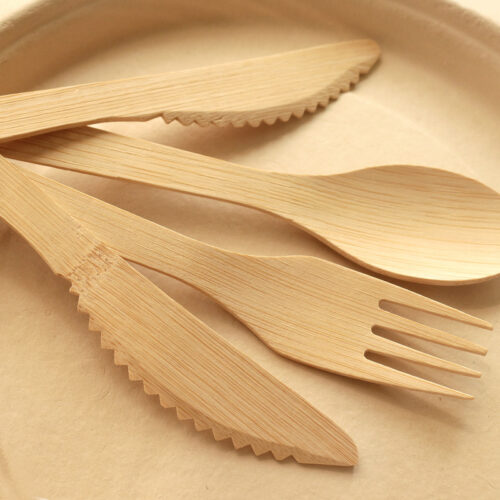
The best compostable cutlery is the one certified for the composting route your customers actually use. Uncoated wood and bamboo are natural materials: under EN 13432 they are deemed biodegradable without testing, but disintegration and ecotoxicity still have to pass before a product is certified compostable. A certified item must disintegrate within 84 days in BPI’s commercial test and within 180 days in its home test. The difference between the two levels is explained in home compostable vs industrial compostable.
“Biodegradable” is the weaker word and the riskier one on a pack: California bans it on products, including utensils (California Public Resources Code §42357), and France bans it on products and packaging (AGEC law, via INERIS). See biodegradable vs compostable cutlery.
Wood, finish and food safety
Single-use cutlery has to meet a general safety rule in the US: the FDA Food Code says materials for single-use articles must not let harmful substances migrate into food, must not give food a colour, smell or taste, and must be safe and clean (FDA Food Code 2022, section 4-102.11). For wooden cutlery, that comes down to the finish and to how the batch was dried and stored. Ask whether any coating, wax, bleaching or sulphur treatment is used, and ask for a food-contact test report for your market. A fork that feels like smooth plastic may be a composite rather than solid wood or bamboo; see is bamboo melamine safe.
Strength, size and the food you serve
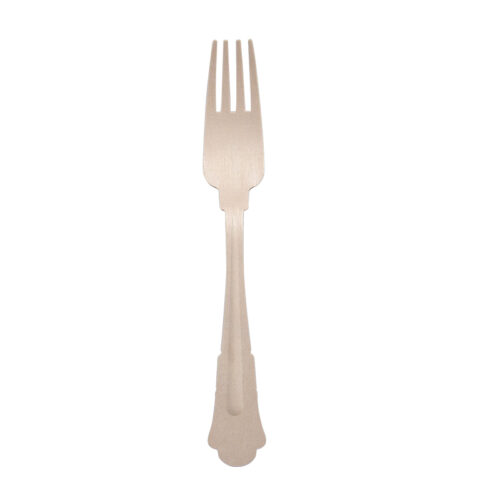
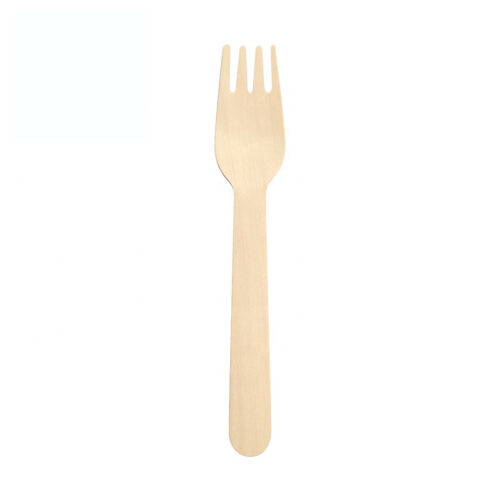
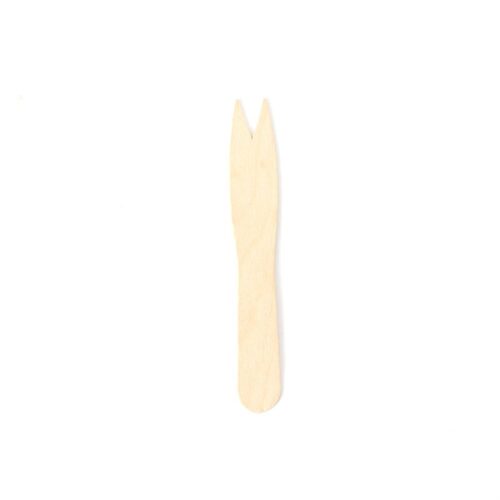
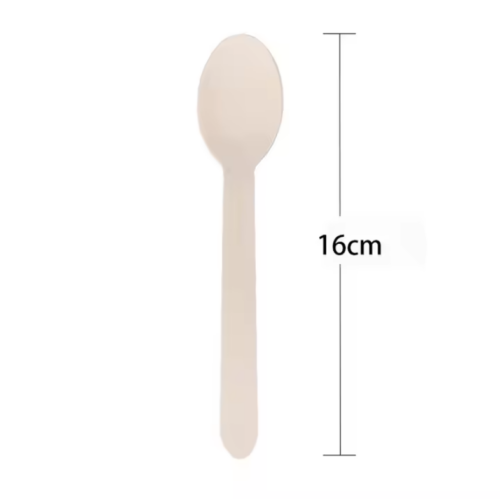
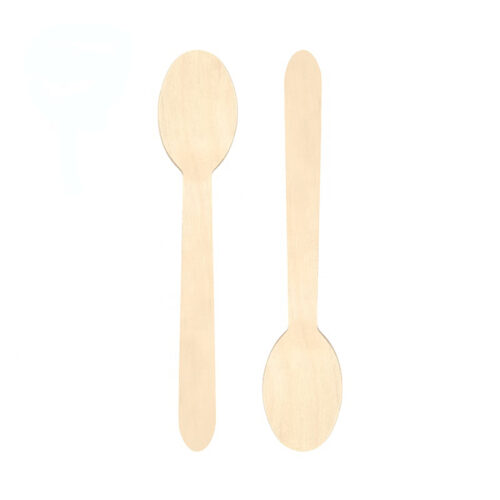
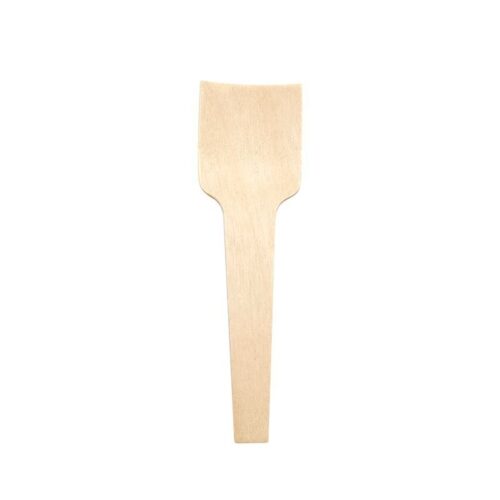
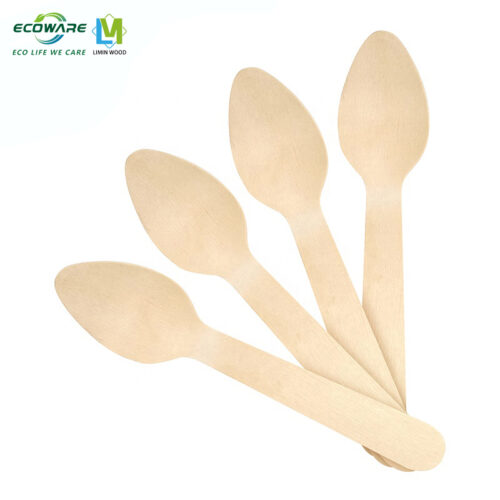
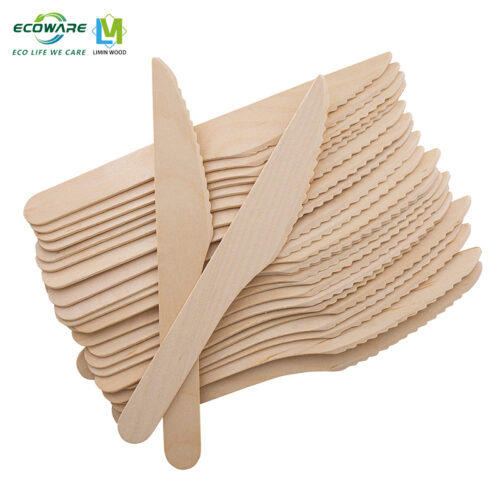
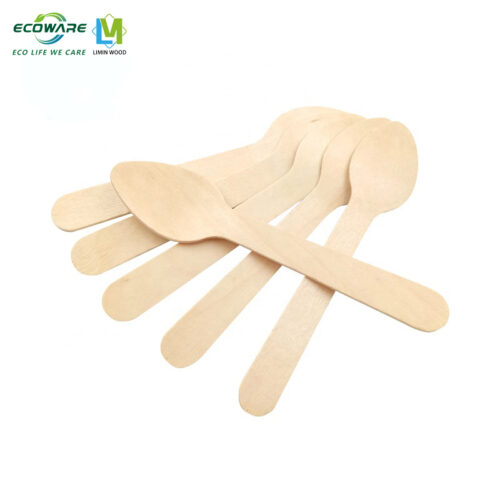
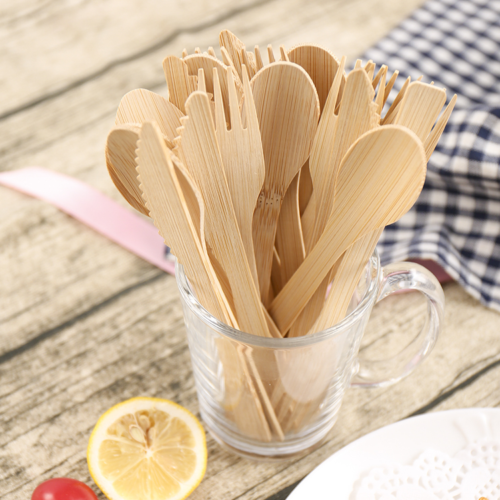
Wooden forks and spoons differ in length, thickness and shape, and those three decide how they handle a dense rice dish, a soup or an ice cream tub. Pick the size from the dish and the container, then test samples on your most demanding item:
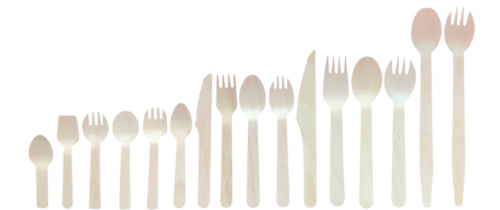
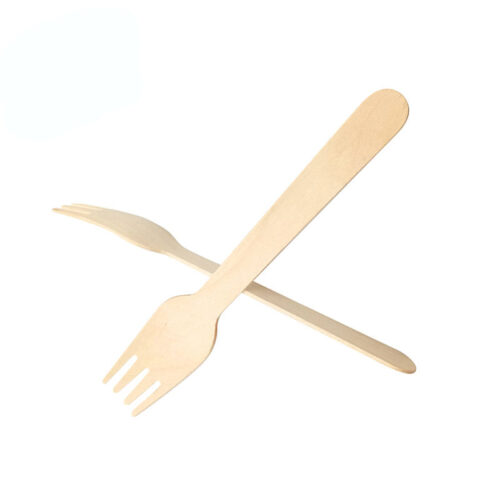
- Size: the spoon sizes chart gives lengths in millimetres and typical uses; forks are covered in types of forks.
- Heat and grease: hot, wet and oily food is the hardest test for thin wooden cutlery. Read can disposable wooden cutlery be used for hot food before you switch soup or curry service.
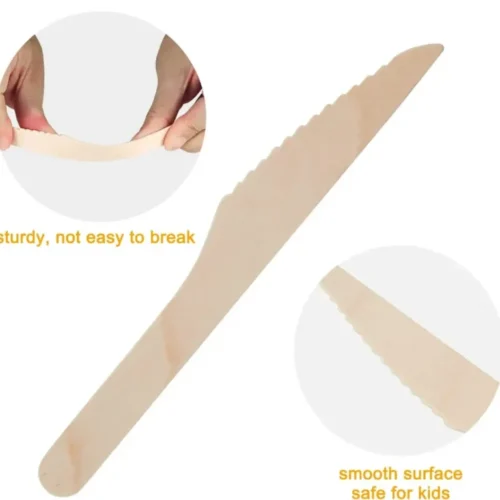
- Splinters: agree a written acceptance rule with the supplier; splinter-free wooden cutlery shows what to put in the purchase order.
Packing and order documents
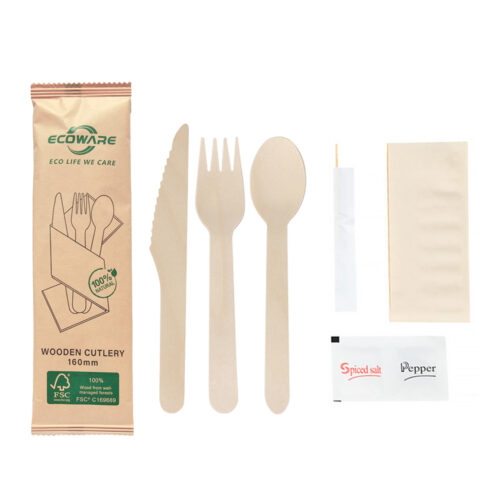
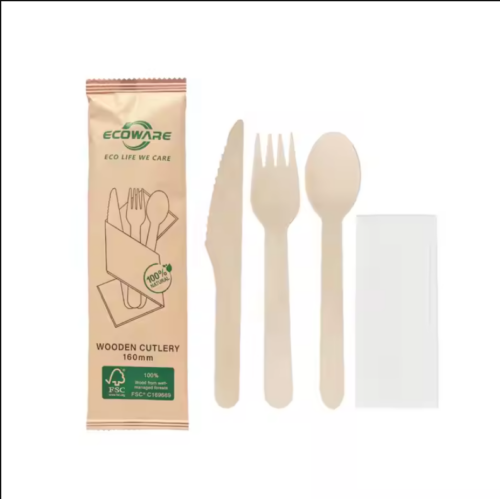
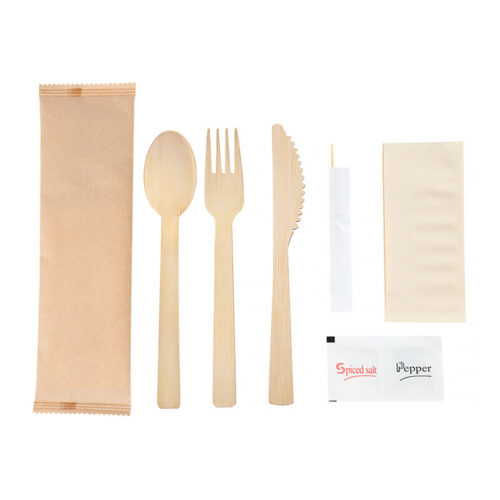
Wrapped sets, loose bulk cartons and retail packs suit different businesses. Individually wrapped sets add a napkin or sleeve, which brings its own material rules. Whatever the packing, ask for:
- A material declaration: wood species or bamboo, and any coating, glue or binder.
- A food-contact test report from an accredited laboratory, with conditions and date.
- Certificates that match your claims, checked on the issuer’s public register.
- The manufacturing site named on the purchase order, and an inspection before the balance payment. Our pre-shipment inspection checklist lists the defects buyers check.
To check whether a supplier makes the cutlery itself, see trading company vs manufacturer.
Common questions
What is the best biodegradable cutlery? For a pack you will print, “compostable” with a certificate is the safer claim than “biodegradable”, which is banned on product labels in California and France. Uncoated wood and bamboo break down in composting; plastic-based cutlery needs its own certificate.
Are disposable wooden spoons and forks compostable? Uncoated wooden spoons and forks break down in composting where the facility accepts them. To print “compostable” on the pack, you need a certificate for that product in markets that require one.
Where can I buy disposable wooden spoons and forks in bulk? From a manufacturer that can show the documents above. Ecoware makes disposable wooden spoons and forks; ask for samples and the material declaration with your quote.
How this guide was made: drafted with AI assistance and edited by Ecoware’s marketing team in October 2026. An earlier version of this page ranked named products; that list was removed because it was not based on independent testing. Rules come from the FDA Food Code, TÜV Austria, BPI and the California Public Resources Code, each linked where it is used.
Get a quote from the factory
Ecoware ships disposable wooden and bamboo tableware made from logs at our family factory in Shucheng County, Anhui, in production since 2008. Stock items have no minimum order; for custom logo or packaging, the MOQ depends on the packaging and is confirmed in the quote. Samples are free and stock samples can ship the same day; custom orders get a confirmed ship date with the quote, based on packaging and quantity.
- Disposable wooden spoons — wholesale range
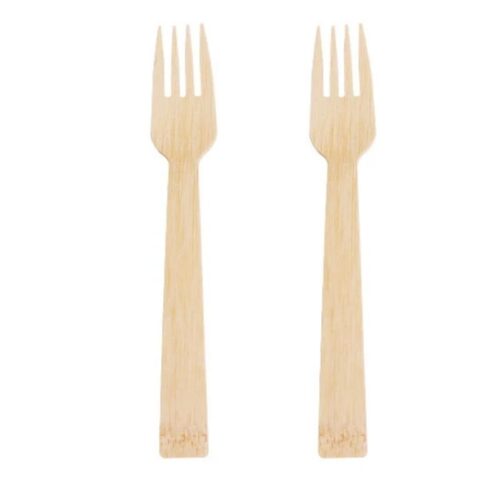
- Disposable wooden forks, 140mm and 160mm
- Our factory: capacity, certifications and buyer FAQ
- Send us your requirement — product, quantity, logo and packing; we reply with pricing, lead time and a sample plan